















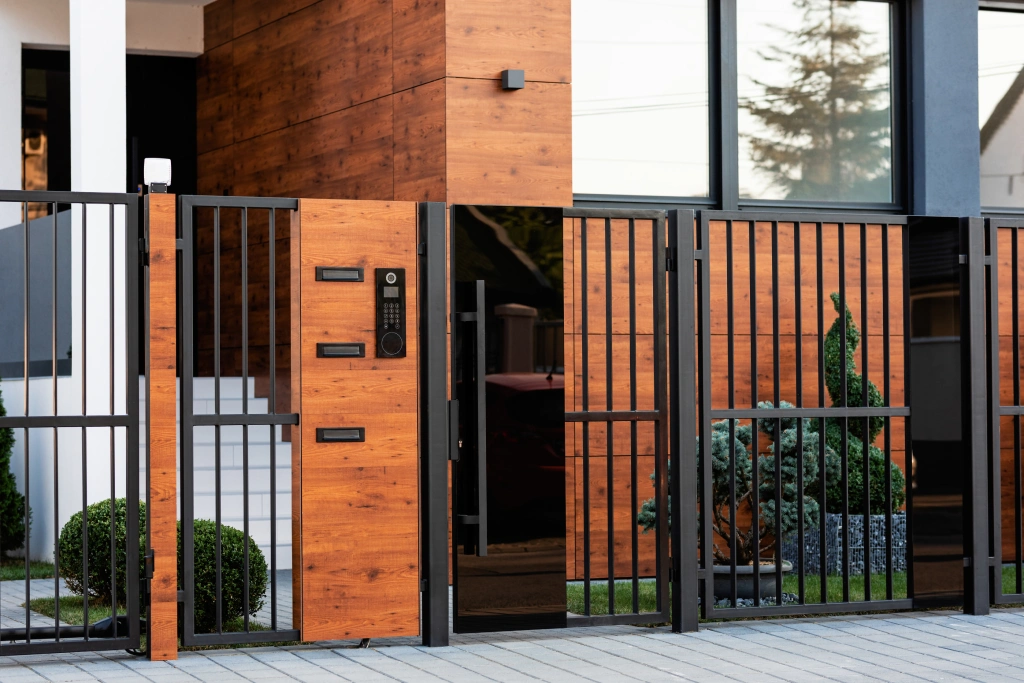

A negligent security lawsuit is a claim that a property owner or manager failed to take reasonable steps to protect people from criminal harm that could have been anticipated. For tenants, the conditions behind these cases are usually familiar long before anything happens: a gate that has been broken for months, a parking lot light nobody replaces, a lobby door that never latches properly.
If you or someone in your family was attacked inside your own building, you may be asking whether the landlord carries any responsibility for what happened. The answer depends on what the owner or manager knew about the risk, what they did about it, and whether reasonable measures would likely have prevented the harm.
A premises liability lawyer can evaluate whether a property owner failed to keep the building reasonably safe, including through conditions such as a broken lock or an unlit garage.
What Is a Negligent Security Lawsuit?
A negligent security lawsuit is a personal injury claim brought after someone is hurt during a crime that happened on another party’s property. The claim is not against the person who committed the crime, although that person may face separate criminal charges. It is brought against the owner, landlord, property manager, or other party that was responsible for keeping the property reasonably safe. Some people call the same case a security negligence lawsuit, and both terms describe the same type of claim.
Under California law, property owners generally owe a duty of reasonable care to people who are lawfully on the property, and that duty can include taking sensible security measures when there is a known risk of crime.
How Unsafe Security Can Affect Tenants and Families
Tenants often notice security problems long before anyone is harmed. Parents time their children’s arrival home around a stairwell that has been dark for weeks. Residents prop the mail room door because the entry system stopped working and nobody fixed it. Families stop using the laundry room after dark because the exterior gate no longer closes.
Living that way takes a real toll, and the harm becomes far more serious when a crime does occur. A tenant may be assaulted or robbed in a place they had already reported as unsafe. In some cases, the same broken gate or dead light had been the subject of complaints from several residents.
When a Security Failure May Lead to a Legal Claim
Not every crime on a rental property creates a legal claim. A potential negligent security case generally involves several factors:
- The owner or manager was responsible for the area where the crime occurred.
- There was a reason to expect that criminal activity could happen there.
- Reasonable security measures were missing, broken, or ignored.
- The crime and the resulting injuries were connected to that failure.
An attorney can review the facts, the complaint history, and the condition of the property to assess whether these factors are present in a particular situation.
How Negligent Security Differs From Other Premises Liability Claims
Premises liability covers injuries caused by dangerous conditions on someone else’s property. Most premises liability cases involve a physical hazard, such as a broken step or a leaking pipe that made a walkway slick. In a negligent security case, another person commits a crime, and the question is whether the property owner’s failure to provide reasonable security helped make that crime possible.
| Negligent security claim | General premises liability claim | |
| What causes the harm | A criminal act by a third party, such as an assault or robbery | A physical hazard, such as a broken stair, unsafe wiring, or a wet floor |
| Central question | Whether the crime was reasonably foreseeable and whether reasonable security measures were in place | Whether the owner knew or should have known about the hazard and failed to repair it |
| Typical evidence | Prior crime reports, tenant complaints, lighting and lock conditions, camera and gate records | Maintenance requests, repair records, inspection reports, photos of the defect |
| Common examples | Assault in an unlit parking garage, robbery after entry through a broken gate | Fall on a collapsed stair, injury from an exposed electrical panel |
When a Landlord or Property Owner May Be Liable
⚖Not sure if you have a case against your landlord?
Castelblanco Law Group has helped tenants recover over $350M in damages.
Get a legal case evaluation from Castelblanco Law Group →A crime on the property does not by itself make a landlord liable for crimes against tenants. California courts look at what the owner or manager knew about the risk beforehand, what they did in response, and how predictable the danger was. The more predictable the danger, the more an owner is expected to do something about it.
Why Notice and Foreseeability Matter
Notice means the owner or manager knew about a problem, or should have known about it. A tenant who emailed the manager about a broken gate created notice. So did the residents who filed maintenance requests about a dark parking area, and so did the security company that reported a series of break-ins.
Foreseeability asks whether a reasonable owner would have expected criminal activity in that location. Prior assaults, thefts, or trespassing on the property tend to support foreseeability. Police calls, incident reports, and complaints from other tenants can help show what the owner knew and when.
What Reasonable Security May Depend On
There is no fixed list of security measures that every California property must have. What counts as reasonable generally depends on the type of property, its layout, the history of crime in and around it, and how burdensome a particular measure would be. A large apartment complex with a controlled-access garage and a documented history of vehicle break-ins may be expected to maintain working gates and cameras. A small duplex with no similar history may be judged differently.
Working locks on unit doors and common entrances, functioning lighting in walkways and parking areas, and repairs to broken gates are among the measures that come up most often in tenant cases.
How a Landlord’s Response to Known Security Risks May Affect Liability
When a landlord receives a complaint and repairs the problem promptly, the response generally weighs in the landlord’s favor. Ignoring the same complaint five times over eight months points the other way. Repair records, work orders, and email threads usually show which of the two happened.
How long the problem lasted matters too. A gate repaired within a week is treated differently from a gate that stayed broken through an entire lease term. Where an owner has neglected a building over a long period, that history may support the argument that the harm was foreseeable.
Common Examples of Negligent Security
Security failures in rental housing tend to repeat themselves from building to building. The conditions that show up most often in tenant complaints involve access failures, poor lighting, and other problems the landlord has failed to repair.
Broken Gates, Locks, or Entry Systems
An access gate that no longer closes, a call box that stopped working, or a lobby door with a broken latch allows anyone to walk into a building that was supposed to be secured. Unit door locks matter as well, including deadbolts that were never repaired after a previous break-in.
Poor Lighting in Parking Areas and Walkways
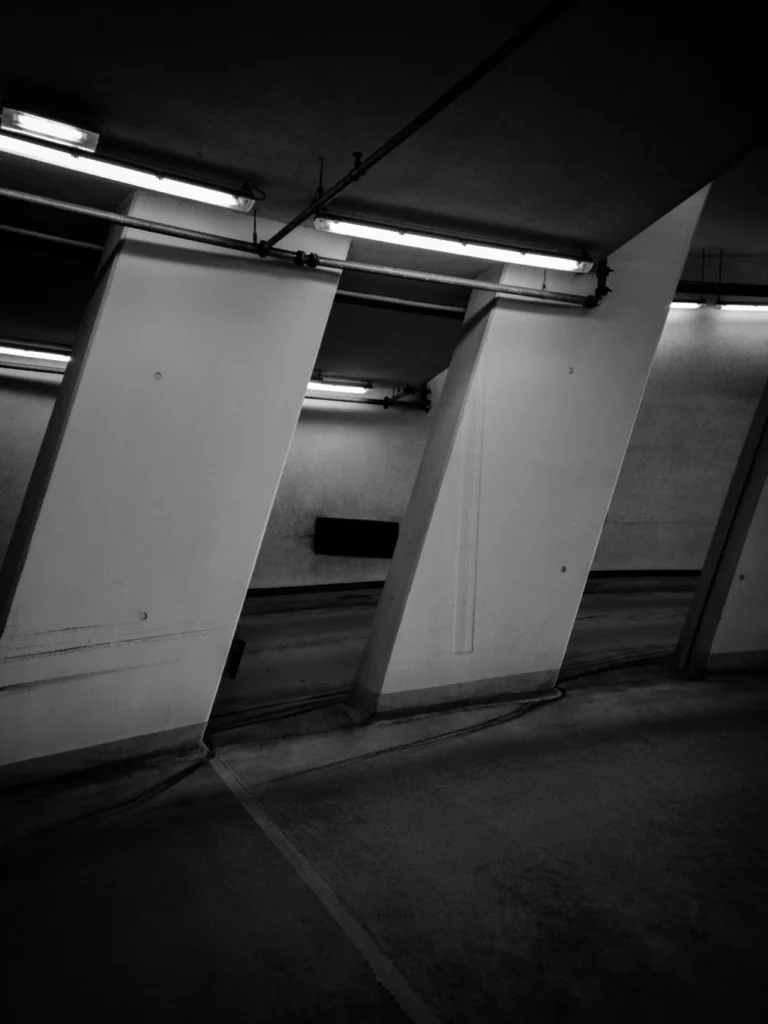
Burned-out or missing lights in a garage, carport, or walkway can leave residents unable to see who is nearby. Lighting complaints are often documented in maintenance requests, which can later help show how long the condition lasted.
Broken Security Cameras or Alarm Systems
Cameras that were advertised in the lease but never functioned, or that stopped recording months earlier, can play a role in a claim. When a property markets itself as monitored and the equipment does not work, residents may rely on protection that does not exist.
Unsecured Apartment Buildings and Common Areas
Propped doors, missing fencing, and unsecured side entrances give access to people who have no reason to be in the building. Common areas such as stairwells, hallways, and shared laundry facilities are usually the landlord’s responsibility to maintain.
Failure to Address Repeated Security Complaints
Repeated complaints from multiple tenants about the same condition can be significant. A single unanswered email carries less weight than a documented series of reports about the same broken gate, especially where other residents raised the same concern.
Where Negligent Security Incidents May Occur
Responsibility usually follows control of the area where the crime happened. Landlords and management companies generally control the common areas of a rental property, and many of these incidents take place there rather than inside a tenant’s unit.
Apartment Buildings
Entry doors, elevators, interior hallways, and unit doors are all part of the building the landlord maintains. Incidents inside a building that was supposed to be secured often raise questions about how the person got in.
Parking Lots and Parking Garages
Assaults and robberies in resident parking are among the most common negligent security cases involving rental housing. Lighting, gate function, and camera coverage tend to be central issues.
Hallways, Stairwells, and Common Areas
Interior spaces that residents pass through every day are the landlord’s responsibility to keep reasonably safe. Dark stairwells and unsecured hallways come up regularly in tenant reports.
Laundry Rooms and Shared Facilities
Shared rooms with a single entrance and limited visibility can leave residents isolated. Door locks, key access, and lighting in these rooms are frequently part of the review.
Building Entrances and Walkways
The path from the street or parking area to a unit is often where residents feel most exposed. Broken exterior gates, dead lighting, and overgrown landscaping that blocks visibility can all be relevant.
Who May Be Responsible for Negligent Security?
Tenants usually think of the apartment complex as the responsible party, but the legal defendant may be a different entity, and sometimes more than one. Naming the right parties early affects who has to produce records and which insurance policies may apply.
Landlords and Property Owners
The owner of the property generally holds the duty to keep it reasonably safe. Ownership may sit with an individual, a partnership, a trust, or a limited liability company, and the name on the lease is not always the name of the owner.
Property Management Companies
Many buildings are run day to day by a management company that handles repairs, tenant complaints, and vendor contracts. Where a management company received the complaints and controlled the repair budget, it may share responsibility.
Parties Responsible for Property Maintenance or Security
Contracted security firms, gate and camera vendors, and maintenance companies may also have a role. A gate contractor who was paid to repair an access gate and never completed the work may be part of the claim, depending on the agreement and the facts.
What Are the Elements of a Negligent Security Claim?
Negligent security claims follow the same basic structure as other negligence cases in California. Four elements generally have to be established, and each one has to be supported by evidence.
Duty of Care
The first question is whether the party being sued owed a duty to the injured person. Landlords generally owe tenants, household members, and lawful guests a duty of reasonable care in the areas they control.
Breach of Duty
Breach means the responsible party failed to act with reasonable care. Leaving a reported broken lock unrepaired for months, or ignoring documented complaints about a dark garage, may amount to a breach depending on the circumstances.
Causation
Causation connects the failure to the harm. The injured person generally has to show that reasonable security measures would likely have prevented the crime or reduced the injuries, which is often the most contested part of the case.
Damages
Damages are the losses the injured person suffered, including medical treatment, lost income, and physical and emotional harm. Even where the first three elements are present, a claim generally requires proof of actual harm.
How Do You Prove a Negligent Security Claim?
Most of the proof in these cases comes from records, and some of those records do not last long. Camera footage is often overwritten within days, and repair logs can be revised once a claim is anticipated.
Evidence That May Support Your Claim
Different types of evidence answer different questions: what happened, what the property owner knew, and what the injuries have cost.
Police and Incident Reports
A police report documents the date, location, and nature of the crime, and it often names responding officers and witnesses. Reports of earlier incidents at the same address can help show that criminal activity was foreseeable.
Medical Records
Treatment records connect the injuries to the incident and track the care that followed. Emergency room records, imaging, follow-up visits, and mental health treatment notes all form part of the picture.
Photographs and Videos
Photos of a broken gate, a hanging lock, or an unlit parking area capture conditions that may be repaired soon after the incident. Photographs taken with the date and time preserved are generally more useful.
Security Camera Footage
Footage from the property, and sometimes from neighboring businesses, may show how the person entered and what the conditions were. Because recordings are frequently overwritten, a written request to preserve footage should be made as early as possible.
Witness Statements
Neighbors and other residents may have seen the incident or complained about the same conditions before it. Their accounts can support both what happened and how long the problem existed.
Prior Complaints and Repair Requests
Emails, tenant portal tickets, text messages, and letters about broken locks, gates, or lighting help establish notice. Complaints from other tenants about the same condition can carry considerable weight.
Property Maintenance and Security Records
Work orders, vendor invoices, inspection reports, and security company contracts show what the owner did and when. Records of that kind are usually obtained through the legal process rather than from the tenant.
Why Preserving Evidence Matters
Conditions change quickly after a serious incident. Gates get repaired, lights get replaced, and footage disappears on its normal recording cycle. Keeping copies of your own complaints, photographs, and medical documents protects information that may not be available later, and an attorney can send a preservation letter asking the property owner to retain records that are still in their control.
What Injuries May Result From Negligent Security?
Injuries from a crime on a rental property vary widely, from wounds treated in a single emergency room visit to permanent disability or death. Physical and psychological effects may both be relevant to a claim. When an incident is fatal, surviving family members may also need to understand what a wrongful death lawyer does in pursuing a separate civil claim.
Physical Injuries
Assaults and robberies commonly cause broken bones, head injuries, lacerations, internal injuries, and injuries from weapons. Some require surgery, rehabilitation, or extended time away from work.
Emotional and Psychological Harm
Being attacked where you live can affect a person long after the physical injuries heal. According to the National Center for PTSD’s overview of common reactions after trauma, stress reactions such as fear, anxiety, being easily startled, upsetting memories, and avoiding reminders of the event are normal after a traumatic experience, and most people recover over time. When symptoms continue or interfere with daily life, a mental health professional can evaluate what care may help. Any medical or psychological diagnosis comes from a treating provider, not from a legal review.
Permanent Disabilities
Some injuries result in lasting limitations, including mobility loss, vision or hearing damage, cognitive effects from a head injury, or chronic pain. Long-term care needs and reduced earning capacity are usually assessed with input from medical and vocational professionals.
Wrongful Death
When a crime on a rental property results in a death, California law allows certain surviving family members to bring a wrongful death claim. Wrongful death claims follow their own rules about who may file and what losses may be recovered.
What Compensation May Be Available?
Compensation in a negligent security case depends on the facts, the evidence, and the applicable law. No one can responsibly promise an amount before the injuries, the property records, and the available insurance have been reviewed.
What Factors May Affect Available Compensation?
The severity and permanence of the injuries, the cost of medical care, time away from work, and the strength of the evidence on notice and foreseeability all influence what may be available. Insurance coverage and the number of responsible parties also play a role. Shared fault can reduce recovery under California’s comparative fault rules.
Economic Damages
Economic damages cover measurable financial losses, such as emergency and ongoing medical treatment, prescriptions, physical therapy, lost wages, reduced earning capacity, and property that was damaged or taken. Bills, pay records, and provider statements support these figures.
Non-Economic Damages
Non-economic damages cover harm that cannot be added up from bills and receipts, such as physical pain, emotional distress, and loss of enjoyment of daily life. For a tenant who no longer feels safe at home, these effects can be significant.
When Punitive Damages May Be Available
Punitive damages are uncommon and require a high standard of proof. California law generally reserves them for conduct that rises to the level of malice, oppression, or fraud, which in this context might involve an owner who knew about serious, repeated danger and consciously disregarded it.
What Happens During a Negligent Security Claim?
Most tenants have never been through the process of suing a landlord and want to know what it involves before they start. The general path runs from investigation through negotiation and, in some cases, trial, though timelines and steps vary with the facts.
Investigating the Incident
The investigation usually begins with the police report, medical records, photographs, and the tenant’s own complaint history. Attorneys may also request maintenance records, prior incident reports at the address, and any surviving camera footage.
Identifying Potentially Responsible Parties
Ownership records, management agreements, and vendor contracts help identify who controlled the property and who was responsible for repairs and security. More than one party may be named.
Filing a Claim or Lawsuit
Many claims start with a demand to the responsible party’s insurer. If the matter does not resolve, a lawsuit may be filed within the applicable deadline, and the formal exchange of evidence begins.
Settlement Negotiations or Trial
Most cases resolve through negotiation, sometimes with the help of a mediator. When the parties cannot agree on responsibility or value, the case may proceed toward trial, where a judge or jury decides the outcome.
What May Affect a Negligent Security Settlement?
Negligent security settlements vary widely, and many of the factors that influence premises liability settlement value also apply here, including the injuries, the evidence, and the insurance available. A few factors come up in almost every negotiation.
The Severity of the Injuries
Serious injuries with long recovery periods or permanent effects generally carry greater value than injuries that resolve quickly, and medical records are what establish the difference.
Evidence of Notice and Prior Security Problems
A written complaint history and prior incidents at the property strengthen the argument that the harm was foreseeable. Cases built only on the crime itself, without evidence of what the owner knew, are harder to establish.
Available Evidence and Documentation
Preserved footage, photographs, witness accounts, and maintenance records reduce the room for dispute. Gaps in the record usually work against the injured tenant.
Insurance Coverage and Other Factors
Available policy limits, the number of responsible parties, and the strength of the defense arguments all affect what resolution may be possible. Comparative fault arguments are common in these cases.
How Long Do You Have to File a Negligent Security Lawsuit in California?
Deadlines in these cases are strict, and missing one can end a claim regardless of how strong the underlying facts are. Anyone considering a claim should understand the California filing deadlines for personal injury claims, but the specific deadline should be confirmed with an attorney rather than estimated.
California’s Statute of Limitations
Personal injury claims in California, including negligent security claims, are generally subject to a two-year deadline under California Code of Civil Procedure section 335.1. The two-year period usually runs from the date of the injury. Wrongful death claims are generally subject to the same two-year period, measured from the date of death.
Exceptions That May Affect the Filing Deadline
Certain circumstances can change the deadline. Claims involving a government entity, such as a public housing authority, typically require an administrative claim within six months before a lawsuit may be filed. Deadlines may also be affected when the injured person was a minor at the time or when the injury was not discovered right away. Because these exceptions are fact-specific, an attorney should confirm which deadline applies to your situation.
What Should You Do After a Negligent Security Incident?
Evidence is easiest to collect in the first days after an incident, and some of it disappears quickly. Your health comes first, and the rest can be handled as you are able, with help from family if needed.
Checklist: What to Do After a Negligent Security Incident
☐ Get to a safe location and seek medical care if you were injured
☐ Call 911 or report the incident to law enforcement, if appropriate
☐ Notify the landlord or property manager about the incident and any unsafe security conditions
☐ Take photos or videos of broken locks, poor lighting, damaged gates, or other hazardous conditions
☐ Write down what happened while the details are still fresh, including the date, time, and location
☐ Collect contact information for witnesses, if possible
☐ Request a copy of the police or incident report
☐ Save emails, texts, letters, and maintenance requests related to the property
☐ Keep copies of medical records, bills, and receipts related to your injuries
☐ Preserve any evidence that may help document the unsafe conditions or your losses
☐ Avoid discussing the incident on social media
☐ Consider speaking with a California attorney to understand your legal rights and options
Seek Medical Care
Get evaluated even if the injuries seem minor at first, because some injuries, including head injuries, become apparent later. Medical records created close in time to the incident also document what happened and when.
Report the Incident to Law Enforcement
A police report creates an official record of the date, location, and circumstances. Ask for the report number so a copy can be requested later.
Notify the Landlord or Property Manager
Report the incident in writing when you can, through email or the tenant portal, and describe the security conditions involved. A written notice creates a record that a verbal conversation in the office does not.
Document Unsafe Conditions and Preserve Evidence
Photograph the broken gate, the dark walkway, or the damaged lock before repairs happen. Note the time of day, and take a wider shot showing the location as well as a close-up of the condition.
Save Communications, Complaints, and Repair Requests
Keep every email, text message, letter, and maintenance ticket about security problems at the property, including messages sent before the incident. Screenshots are useful when a tenant portal may later be closed or changed.
What Happens When You Contact Castelblanco Law Group?
Contacting a law firm does not commit you to filing anything. The first conversation is about understanding what happened and whether the matter falls within the firm’s practice.
Discuss Your Situation With the Legal Team
You describe the incident, the condition of the property, and any complaints you made beforehand, in English or Spanish. The team listens and asks questions about notice, timing, and injuries.
Review Available Evidence and Documentation
Photographs, police reports, medical records, and your written complaints all help clarify the situation. Bringing what you already have makes the review more useful, and missing items can often be requested later.
Learn About Your Potential Legal Options
You receive a plain-language explanation of what California law may allow in your circumstances and what deadlines may apply. Not every inquiry becomes a case, and the team will tell you directly if a matter falls outside what the firm handles.
Tell Castelblanco Law Group what happened at your building. The team can review the facts, explain whether the matter falls within the firm’s practice, and discuss possible next steps in English or Spanish.
Frequently Asked Questions
Can I Still Sue if My Lease Says the Landlord Is Not Responsible for Crime?
Possibly. California law limits a landlord’s ability to contract away responsibility for its own negligence, so a lease clause does not automatically end a claim.
Can a Tenant’s Guest Bring a Negligent Security Claim?
Yes, in some situations. Property owners generally owe reasonable care to lawful visitors, not only to tenants. Whether a guest has a claim depends on the facts.
Can I File a Claim if I Was Assaulted in an Apartment Parking Lot?
Possibly. Parking areas controlled by the property are often part of these claims. Much depends on prior incidents, lighting and gate conditions, and whether the owner knew about the problem.
What if the Landlord Says the Crime Was Unpredictable?
Foreseeability is usually disputed. Prior crimes at the property, tenant complaints, and police call records can support the argument that the risk was known.
Does Reporting a Security Problem Automatically Create a Legal Claim?
No. Reporting a problem creates a record of notice, which matters later, but a claim generally also requires a failure to act, an incident, and resulting harm.
Get a Free Case Review. No Fees Unless We Win
Tell us what's happening. One of our tenant attorneys will review your situation and get back to you within 24 hours.

Eric Castelblanco,