



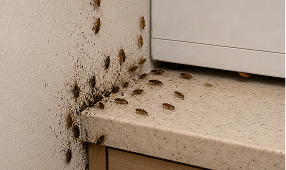


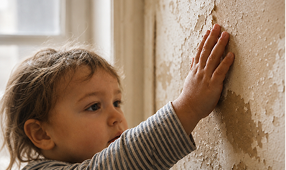








A pipe leaks under the bathroom sink for weeks. Cockroaches run across the kitchen counter every night. The back stairs have a loose plank your elderly mother almost tripped on twice. You called. You emailed. The landlord promised to send someone, then went quiet.
California law does not leave tenants stuck in that position. Your landlord has clear legal duties, and you have specific remedies when those duties go unmet. The harder part is knowing which step to take, in what order, and how to protect yourself if a landlord not fixing things turns into an injury, illness, or serious property damage. In the most serious cases, tenants end up needing a slumlord lawyer.
The guide below walks through the full process, from the first written repair request to the point where a lawsuit becomes the right answer.
What to Do If Your Landlord Won’t Fix Anything
Figuring out what to do when landlord won’t make repairs starts with one idea: build a paper trail before you build a case. Every step below does two jobs. It pushes the landlord toward action, and it creates evidence in case the problem ends up in court.
Confirm the Repair Is the Landlord’s Responsibility
Some issues are yours to fix. Most serious ones are not. California Civil Code §1941 requires landlords to keep rentals in habitable condition, which covers working plumbing, weatherproofing, safe electrical systems, structural integrity, and protection from pests the tenant did not bring in. Damage a tenant caused personally, such as a broken window from a thrown baseball, usually falls on the tenant. A sagging second-floor balcony with rotted support beams is squarely on the landlord.
Send a Written Repair Request
A phone call or hallway conversation creates no record. A letter, email, or text does. Write a dated request that describes the problem, names the exact location in the unit, and asks for a specific fix. Keep the tone polite and factual. Something along these lines works: “The bathroom ceiling has been leaking water for six days. Please arrange repairs within a reasonable time.” Save a copy. Certified mail gives you a clean paper trail if the situation later heads to court.
Document the Problem With Photos and Dates
Time-stamped photos from your phone are strong evidence. Video helps more for active leaks, pest activity, or unsafe staircases where movement shows the hazard. Write down dates of every call, message, and maintenance visit. A running log with entries like “March 3, called property manager, left voicemail; March 5, texted unit number and photo of leak” carries real weight when a judge reviews the timeline.
Give the Landlord a Reasonable Time to Respond
California expects landlords to act within a reasonable period, which depends on severity. A gas leak demands same-day action. A dishwasher that stopped working reasonably allows a week or two. Thirty days is the legal presumption for most standard repairs, though emergencies have to be addressed far faster. Small cosmetic items sit at the low end of the scale. Active safety risks sit at the top.
Escalate If the Landlord Still Refuses
Silence after a written request and a reasonable wait opens the door to next steps. Options include filing a complaint with your local code enforcement office, using repair-and-deduct under California law, or pursuing a lawsuit when the unsafe condition has already caused injury or illness. Each path has specific rules, and choosing the wrong one weakens your position.
A tenant who starts withholding rent without legal grounds, for example, may face an eviction filing even when the original complaint was valid.
Repairs Your Landlord Is Legally Required to Make
⚖Not sure if you have a case against your landlord?
Castelblanco Law Group has helped tenants recover over $350M in damages.
Get a legal case evaluation from Castelblanco Law Group →A habitable rental is not a luxurious one. The law sets a floor, and the landlord has to meet it. Knowing what that floor includes helps you tell the difference between an annoying problem and a legal violation.
California Habitability Standards and What They Cover
Habitability in California means the unit keeps you reasonably safe, healthy, and weather-protected. The minimum legal standard requires:
- Working plumbing, including hot and cold water
- Safe heating
- Sound electrical systems with no exposed wiring
- Sanitary conditions with pest control
- Structural soundness in floors, walls, stairs, and railings
- Working smoke and carbon monoxide detectors
- Proper waterproofing of roof, walls, and windows
A landlord who fails to provide the items above is violating the implied warranty of habitability that every California rental lease carries, whether the lease says so in writing or not.
Landlord Repair Duties vs. Tenant Repair Duties
Landlords handle the shell and core systems of the property: roof, walls, plumbing, heating, wiring, appliances they provided, pest problems, and structural hazards. Tenants handle ordinary wear, cleanliness, and damage they or their guests caused.
A slow-draining bathroom sink from hair buildup usually sits on the tenant. A pipe that bursts behind the wall sits on the landlord. Gray areas exist, which is part of why written records matter so much when responsibilities blur.
Emergency Repairs vs. Non-Emergency Repairs
An emergency is anything that threatens safety, health, or the basic function of the home. Gas leaks, sewage backups, no heat during a winter cold snap, a collapsed ceiling, live electrical wiring, or a broken door lock all qualify. Emergencies call for action in hours, not weeks. Non-emergencies, such as a dripping faucet or a stuck window, allow more leeway, usually measured in days or a few weeks.
The distinction matters because it sets the timeline courts use to judge whether the landlord’s response was reasonable.
How Long Can a Landlord Leave Repairs Unfixed?
Timing is the heart of almost every habitability dispute. A landlord refusing to make repairs for two weeks may be reasonable, unreasonable, or outright illegal, depending on what the problem is and what kind of notice the tenant gave.
What Counts as a Reasonable Time in California
Reasonable time is not a fixed number. Courts look at the severity of the problem, the impact on the tenant, how easy the fix is, and whether the landlord made any attempt to respond. A small crack in drywall reasonably waits a month. A family without a working toilet does not. A tenant with asthma living next to a broken ventilation system has a shorter clock than a tenant whose oven door squeaks.
The 30-Day-Window Explained
California Civil Code §1942 creates a presumption that 30 days is reasonable for most repairs. The landlord receives written notice, and the clock starts. After 30 days without action, the tenant may pursue repair-and-deduct, assuming the cost does not exceed one month’s rent. Serious safety issues, such as a gas leak or total loss of heat, demand a much shorter timeline, sometimes measured in hours. If your landlord doesn’t fix things within 14 days of a written emergency notice, most courts view that delay as well outside any reasonable response period.
When a Delay Becomes a Legal Violation
A delay crosses into a legal violation once the problem affects health or safety, or the landlord has ignored written notice past a reasonable period. Picture a tenant with documented carbon monoxide levels from a faulty heater, waiting two weeks with no response from the landlord. That situation is well past tolerable. The violation opens several remedies, including habitability damages, repair-and-deduct, and, if someone was hurt, a personal injury claim.
Legal Remedies When Your Landlord Refuses to Make Repairs
If the landlord refuses to do repairs despite written notice, the tenant is not out of options. California provides several tools to push back, and each has tradeoffs worth knowing before you pick one. Official Los Angeles county guidance on repair options makes the same point: complaints, repair-and-deduct, withholding rent, moving out, and lawsuits each come with different rules and risks.
Repair and Deduct Under Civil Code §1942
The repair-and-deduct remedy lets a tenant pay for a qualifying repair and subtract the cost from rent. Rules are strict: the problem must affect habitability, written notice must have been given, 30 days (or less for emergencies) must have passed, and the total cost cannot exceed one month’s rent.
The remedy is also limited to two uses per 12-month period. Keep every receipt, invoice, and communication. An unclaimed receipt is the difference between a valid deduction and an accusation of unpaid rent.
Rent Withholding and Rent Escrow
Withholding rent is a high-risk option. California does not have a formal rent escrow statute, but tenants sometimes withhold rent when habitability breaches are severe. Doing this wrong invites an eviction notice, so legal guidance before withholding is wise.
Some tenants set aside the withheld rent in a separate bank account to show good faith if the dispute heads to court. A judge who sees the full rent in escrow reads the tenant as honest, not evasive.
Reporting the Landlord to Code Enforcement
Every California city and county has a code enforcement or housing inspection office. California even maintains a California Housing Code Enforcement database to help residents find the right local agency. A tenant files a complaint, an inspector visits, and confirmed violations trigger an official notice with a deadline for the landlord. Inspectors issue fines and order specific repairs.
A confirmed violation from a public agency also becomes powerful evidence in any later lawsuit, because it removes the argument that the condition was exaggerated or imagined.
Breaking the Lease Through Constructive Eviction
Constructive eviction is a legal concept: conditions become so bad that the tenant cannot reasonably live in the unit, effectively forcing them out. California recognizes constructive eviction as grounds to break a lease without penalty. Proof matters. You need documented habitability failures, written notice to the landlord, a reasonable waiting period, and a clear link between the conditions and your departure. Courts tend to require real evidence of uninhabitability, not inconvenience or preference.
Filing a Small Claims or Civil Lawsuit
Small claims court handles disputes up to $12,500 in California, covering rent refunds, return of security deposits, and limited damages. Larger claims, especially those involving injury, illness, or significant property loss, belong in civil court. A civil lawsuit lets a tenant pursue medical expenses, lost income, pain and suffering, and other damages tied to a landlord’s failure to maintain the property safely.
When Ignored Repairs Cause Injury or Health Problems
The situation shifts sharply once a landlord not fixing issues leads to physical harm. A broken step stops being a maintenance annoyance and becomes a premises liability case. A long-ignored pest infestation that triggered a child’s asthma hospitalization is no longer a quality-of-life complaint.
Toxic Exposure: Lead, and Carbon Monoxide
Lead paint remains in millions of older California buildings, and children are especially vulnerable to lasting neurological harm from exposure. CDC’s carbon monoxide poisoning guidance notes that CO is odorless and colorless, commonly causes headache, dizziness, weakness, vomiting, chest pain, and confusion, and can be fatal in severe cases.
Pest Infestations: Bed Bugs, Cockroaches, and Rodents
Pests are not a cosmetic problem. Bed bug bites trigger severe allergic reactions and sleep loss. EPA guidance on cockroaches and asthma explains that cockroach droppings, body parts, feces, and saliva can trigger asthma symptoms and allergic reactions, especially in children. Rodents carry disease, chew electrical wiring (a fire risk), and contaminate food. Imagine a months-long infestation the landlord refused to treat.
Structural and Safety Hazards
Broken railings on a second-story balcony. A rotted step on an exterior staircase. A garage door opener that slams down without warning. Hazards like these produce some of the most severe injuries in rental housing: falls, fractures, and head trauma. A landlord who was told about a loose railing three times, and let it sit, faces a straightforward premises liability claim the day a tenant’s guest goes over it.
Water Damage and Plumbing Failures
A slow leak ruins flooring and soaks into subfloors, which weakens the structure over time. Standing water in a laundry room shorts electrical outlets and creates shock hazards. A bathroom ceiling that collapses after weeks of reported leaking has injured more than one California tenant.
Landlord liability grows sharply when written repair requests were ignored and the damage led to a fall, electrical shock, or other physical injury.
How to Prove Your Landlord Is Responsible for Unsafe Living Conditions
Proof is where habitability and injury cases are won or lost. Strong cases have a clear story, supported by records, that a neutral person reading the file would find obvious.
What Landlord Negligence Looks Like
Negligence in this context means the landlord knew (or should have known) about a dangerous condition and failed to act. The classic pattern: a tenant reports a broken stair in writing on March 1, the landlord acknowledges the message, no repair follows, and on April 10 a visitor falls through the step and breaks an ankle. Knowledge plus inaction plus harm equals negligence. Without all three parts, the case weakens.
How Negligence Is Proven in California
California injury claims often turn on duty, breach, causation, and damages, and understanding the difference between premises liability and negligence helps clarify how landlord liability is analyzed. The landlord had a legal duty to keep the property safe. Ignoring a known hazard breaches that duty. Causation links the hazard to the tenant’s injury. Damages are the measurable harm, from medical bills to lost wages. Each element has to be supported with evidence, which is why documentation from day one shapes the entire case.
How to Show Unsafe Conditions Caused Your Injury
Causation is often the hardest piece to prove. Medical records should clearly link the injury to the hazard. A doctor’s note describing a fall fracture from an unstable staircase, for example, or a pediatrician’s report tying elevated blood lead levels to the apartment’s peeling paint, makes the connection concrete. Without that link, even a well-documented hazard may not produce compensation.
The Key Types of Evidence You’ll Need
Strong cases in this area rely on:
- Dated photos and videos of the hazard
- Written repair requests and any responses
- Medical records and diagnostic reports
- Inspection reports from code enforcement
- Witness statements from neighbors or visitors
- Receipts for medical care, relocation, and property loss
Each piece strengthens the whole. Missing evidence creates gaps a defense attorney will exploit.
Why Written Notice Carries Weight in Court
Oral complaints are easy for landlords to deny. A dated email, text, or certified letter removes that defense. Courts treat written notice as the point where the landlord’s knowledge of the hazard is confirmed. From that moment forward, every day of inaction builds the case that the landlord chose not to act despite knowing the risk.
Medical Records, Inspections, and Expert Reports
In serious injury cases, expert testimony often decides the outcome. A building inspector explains how the property violated code. The treating doctor documents the injury, the treatment so far, and the long-term prognosis for recovery. Blood lead levels, tied directly to the apartment by a toxicologist, remove any doubt about the source.
Medical records fill in diagnosis, treatment, and ongoing care. Together, these professionals convert a personal account into a legal case a jury will credit.
What You Can Recover if Your Landlord Didn’t Fix the Problem
Compensation depends on the damage, the documentation, and the link between the two. A tenant whose child was hospitalized from an ignored rodent infestation is looking at a different dollar figure than one who lost a week’s work from a bathroom collapse.
Medical Expenses and Treatment Costs
Every dollar spent on medical care related to the injury or illness is recoverable. Emergency room bills, ambulance fees, surgeries, specialist visits, prescription medications, physical therapy, and projected future care all fit under this category. Keep every invoice and insurance statement. Future medical costs, where an expert can project them, also belong in the claim.
Pain and Suffering
California allows compensation for physical pain, emotional distress, anxiety, loss of enjoyment of life, and lasting psychological effects. Pain and suffering awards depend on severity of the injury, duration of recovery, and how daily life changed after the harm. A child with permanent lead-related cognitive effects faces a lifetime of altered outcomes, and damages reflect that reality.
Relocation and Temporary Housing Costs
If the unit became unsafe to live in, moving expenses belong on the bill. Hotel stays during a repair delay, moving truck rentals, security deposits on a new place, and short-term rental premiums while searching for permanent housing all qualify. The connection has to be clear: the landlord’s failure made the unit unlivable, and the tenant had no reasonable alternative to leaving.
Property Damage and Lost Belongings
Ruined furniture, clothing destroyed by a pest infestation, electronics damaged by water intrusion, and food lost during a prolonged utility failure all add up. Photograph every damaged item, save receipts where possible, and keep a written inventory with estimated replacement values. A tenant who throws out a mattress overrun with bed bugs and documents it properly recovers that cost. One who throws it out silently does not.
Rent Refunds and Habitability Damages
California courts may reduce rent retroactively for months when the unit was uninhabitable. A tenant who paid full rent while living without a working bathroom for two months has a claim for partial rent reimbursement. Habitability damages sit separate from personal injury damages and may apply even without physical harm, as long as the breach of habitability was real and documented.
When to Talk to a California Tenant Lawyer
Not every repair dispute needs a lawyer. Many resolve with a well-written letter, a code enforcement inspection, or a polite escalation. The ones that need legal help tend to share a few warning signs.
Signs You May Have a Valid Claim
Several patterns point to a strong case: written notice of a hazard, documented landlord inaction, and an injury, illness, or serious health consequence that followed. Consider a child diagnosed with lead poisoning after months of reported peeling paint. Or the guest who fractured a hip on a staircase everyone knew was broken.
Carbon monoxide exposure from a faulty heater that the landlord refused to inspect, sending a tenant to the hospital, fits the same pattern. Cases like those are where compensation is most clearly on the table.
Situations That Call for Legal Help
Injuries caused by landlord negligence, toxic exposures, and severe unsafe conditions that led to medical harm all warrant a conversation with a habitability and personal injury attorney. Castelblanco Law Group represents tenants in exactly these situations: people who lived in dangerous conditions, suffered real harm, and want to pursue compensation for what happened.
Complex fact patterns, mounting medical bills, and pushback from a landlord’s insurer are all reasons to get legal help rather than go it alone.
What to Expect When Working With a Tenant Attorney
An initial consultation usually costs nothing. The attorney reviews your documentation, asks about injuries or illnesses, and evaluates whether the facts support a premises liability or habitability claim. If the case moves forward, most habitability and injury firms work on contingency, so the tenant pays nothing upfront.
Expect to turn over records, speak with medical experts, and possibly sit for a deposition before the case resolves. The process takes months or sometimes years, but the payoff lines up with the harm proven.
FAQs About Landlords Refusing to Make Repairs
Can I Withhold Rent if My Landlord Won’t Make Repairs in California?
Withholding rent is legally risky and may trigger an eviction filing if done wrong. California permits it in severe habitability breaches, but legal advice before acting protects you.
Can I Break My Lease Because of Unsafe Living Conditions?
Yes, through constructive eviction. You need documented habitability failures, written notice to the landlord, a reasonable wait period, and proof that conditions forced you to leave.
Can My Landlord Evict Me for Requesting Repairs?
California law bans retaliatory eviction for 180 days after a tenant reports habitability issues. A retaliation claim may arise if an eviction follows a good-faith repair request.
Can I Sue My Landlord for Refusing to Make Repairs?
Yes, especially where the refusal caused injury, illness, or serious habitability harm. Small claims handles minor disputes; larger injury cases go to civil court with an attorney.
How Long Does a Landlord Have to Fix Repairs in California?
California presumes 30 days is reasonable for most repairs. Emergencies, such as gas leaks or total loss of heat, demand action within hours or, at most, a day.
Get a Free Case Review. No Fees Unless We Win
Tell us what's happening. One of our tenant attorneys will review your situation and get back to you within 24 hours.

Eric Castelblanco,