



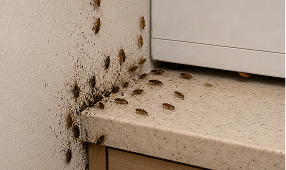













Serious problems with a rental property leave tenants facing hard choices. A broken staircase, a rodent infestation, or a landlord who refuses to repair a dangerous defect all point to the same question: what options does the law give you?
Tenants in California have strong legal rights. When a landlord crosses the line, those protections sometimes lead to a courtroom. What follows is a plain-language guide to suing your landlord in California: the evidence that strengthens a claim, the costs involved, and the moments when speaking with a California slumlord lawyer can make a meaningful difference.
Can You Sue Your Landlord in California?
Can a tenant sue a landlord in California? Yes. A renter has the right to file a civil lawsuit against a property owner who breaks the law, violates the lease, or allows unsafe conditions that cause injury or illness. The strength of any case depends on what the landlord did (or failed to do), what harm followed, and how well the tenant documented it.
When a Landlord’s Conduct Creates a Legal Claim
A legal claim exists when a landlord’s action or inaction causes a measurable loss. In a habitability or injury case, the chain looks like this: the property owner had a duty to keep the unit reasonably safe, breached that obligation, and harm followed.
Courts look for three elements together:
- A legal duty owed by the landlord
- A clear breach of that obligation
- Actual damages, whether physical, financial, or both
Without those pieces lined up, a case rarely survives early legal scrutiny.
Common Situations That May Justify a Lawsuit
Some landlord problems belong in small claims court. A civil lawsuit is the right path when injury or long-term harm is involved. Typical grounds include:
- A tenant injured by a broken stair, collapsed railing, or other unsafe structure
- Serious pest infestation the property owner ignored after written notice
- Exposure to lead paint or carbon monoxide in a rental unit
- Refusal to return a security deposit without lawful justification
- A written lease term the landlord violated
Not every grievance rises to the level of a lawsuit. Cases built on clear documentation of harm hold up far better in court.
Common Legal Reasons to Sue a Landlord
⚖Not sure if you have a case against your landlord?
Castelblanco Law Group has helped tenants recover over $350M in damages.
Get a legal case evaluation from Castelblanco Law Group →Tenants sue landlords for many reasons in California, and the legal path depends heavily on the nature of the harm. Some cases center on money. Others focus on unsafe and unsanitary living conditions. The strongest cases usually involve documented damages and a clear link between what the landlord did and what the tenant lost.
Injury Claims From Dangerous Property Conditions
An injury claim starts with a dangerous condition the landlord knew about, or reasonably should have discovered. A staircase with a rotting tread, an exposed electrical wire in a common hallway, or a balcony railing that gives way under normal use all qualify.
When a tenant (or a guest) suffers an injury because of that condition, the property owner may be held responsible under premises liability law. Recoverable damages include medical bills, lost wages, pain and suffering, and long-term care costs when the harm is severe.
Castelblanco Law Group represents tenants in these cases. When negligence on the property leads to a real injury, a premises liability or habitability claim may be the path to compensation.
Property Damage Caused by Landlord Negligence
If a leak in the building damages a tenant’s belongings, or if faulty wiring sparks a fire that destroys personal property, the tenant may have a claim for the financial loss. The key is showing the landlord knew or should have known about the underlying problem.
Personal property damage lawsuits usually carry lower dollar values than injury cases, which is why many end up in small claims court. Photographs of the damage, repair estimates, and receipts for replaced items form the core of the evidence.
Security Deposit Disputes
California law controls how the deposit is collected and returned. A landlord has 21 days after the tenant moves out to return the funds or send an itemized statement of deductions under California’s security deposit timeline rules. Missing the deadline, withholding money for normal wear and tear, or inventing damages all give the tenant grounds to sue.
Most security deposit disputes land in small claims court, where the process is faster and no attorney is required. If the property owner acted in bad faith, the court may award up to twice the amount of the deposit in statutory damages on top of the original sum.
Lease Violations and Contract Disputes
A lease is a binding contract. Specific breaches include charging more than local rent control permits, billing fees not listed in the lease, or refusing to provide agreed-upon services like parking or laundry access.
To succeed, a tenant needs the signed agreement, proof the landlord broke a specific term, and evidence of the financial loss caused by the breach. Contract disputes often move faster than injury claims because the written agreement does much of the work.
Discrimination or Harassment Claims
California’s Fair Employment and Housing Act protects tenants from discrimination based on race, religion, national origin, disability, family status, source of income, and other protected categories. A tenant who faces discriminatory treatment during screening, lease renewal, or day-to-day rental decisions may file a complaint with the Civil Rights Department or take the matter to court.
Proving discrimination requires evidence of pattern rather than a single comment: refusal to rent, unequal lease terms between applicants, or a sudden change in treatment after the landlord learns of a protected status. Remedies include financial damages and, in some cases, injunctive relief.
Important Records to Gather Before Filing
A lawsuit lives or dies on documentation. Before filing anything, tenants should assemble a complete record of the problem, the communications around it, and the losses that followed.
The Evidence Needed to Prove Your Case
Evidence in a landlord lawsuit comes in several forms. Photographs and video are the backbone, especially for habitability or injury claims. A dated photo of a collapsed step or a pest-infested kitchen carries real weight in court.
Written communication matters almost as much. Emails and text messages showing the tenant reported a problem, and the landlord’s response (or silence), establish the timeline of negligence. Witness statements from neighbors, maintenance workers, or visitors who saw the condition add credibility.
Medical records, inspection reports, and expert opinions fill in the picture when the stakes are higher. For a lead exposure case, a blood test result connects the harm to the property.
The Requirement to Provide Written Notice
California law usually requires tenants to give the landlord written notice of a habitability problem before a lawsuit moves forward. Knowing how to report a landlord in California can help tenants document that notice properly. Notice gives the property owner a reasonable opportunity to fix the issue. If they refuse, the failure itself becomes part of the evidence.
Notice should be specific. A letter saying “my bathroom sink drips” will not carry the same legal weight as one describing a water leak behind the wall, the date it started, the effect on the unit, and the request for repair by a specified date.
Sending notice by certified mail creates proof of delivery. Keeping a copy for your own records is equally important.
Key Documents to Collect Before Filing
Alongside photos and correspondence, tenants should organize the paperwork that supports the claim. A tidy file will make any consultation with a lawyer more productive.
- The signed lease and any amendments
- Rent payment records, including receipts or bank statements
- All written notices sent to the landlord and any replies
- Inspection reports from local housing authorities
- Medical bills, repair estimates, or receipts for damaged items
- A personal timeline of events with dates
Having these materials ready does two things: it speeds up the filing process and it tells the court the tenant took the matter seriously from the start.
What the Landlord Lawsuit Process Usually Looks Like
Suing a landlord in California follows a predictable arc, whether the case belongs in small claims or civil court. Understanding the steps in order helps tenants prepare for what comes next.

Gather Evidence and Important Records
The first step happens before anything is filed. A tenant pulls together every photo, email, receipt, and notice. The goal is a complete package that tells the story from the first problem to the present.
Organized cases hold up better than chaotic ones. When the file is scattered, the case usually is too.
Send a Demand Letter if Appropriate
Before heading to court, many tenants send a demand letter. The document outlines the problem, states the amount of money or action requested, and sets a deadline for a response.
A demand letter serves two purposes. It gives the landlord one final chance to settle without litigation, and it creates a written record that the tenant acted reasonably. Some disputes end here, which saves everyone months of time.
Decide Between Small Claims and Civil Court
California small claims rules set the limit at up to $12,500 for individual tenants. Filing fees are low, the process is quicker, and no attorney is needed. Many renters use that venue to recover a security deposit or cover minor property damage.
Civil court is the setting for larger or more complex cases, including personal injury from unsafe property conditions. Attorneys are allowed, jury trials are available, and the rules of evidence are stricter. Injury claims almost always belong here because the damages exceed the small claims limit.
File and Serve the Lawsuit
Filing means delivering the complaint to the correct courthouse and paying the court fee. Under California Courts’ service rules, a process server or sheriff’s deputy can officially deliver the papers. Service must follow specific rules, or the case risks delay or dismissal.
Prepare for Settlement or Trial
Most landlord lawsuits settle before trial. Both sides usually prefer a negotiated outcome to the unpredictability of a judge or jury. Settlement talks may happen during formal mediation, through informal exchanges between lawyers, or at a pretrial conference.
If the case does go to trial, the work involves evidence organization, witness preparation, and testimony practice. For tenants with a lawyer, most of that work happens in the attorney’s office in the weeks leading up to the court date.
California Laws That Affect Your Landlord Lawsuit
Several California statutes shape every landlord lawsuit. Knowing which ones apply to your situation is the first step toward a realistic assessment of the case.
Habitability and Negligence Standards
California’s implied warranty of habitability requires every residential landlord to keep the unit fit for human habitation. This is the core of what habitability means in California. Broken locks, exposed wiring, pest infestations, and similar defects all fall under this rule. The landmark case Green v. Superior Court established the standard that applies today.
Negligence adds another layer. A property owner who knows about a hazard and fails to address it within a reasonable time may be liable for any harm that follows.
Deadlines to File a Lawsuit (Statute of Limitations)
Every claim has a filing deadline. California Courts’ statute of limitations guide explains the general rule, and California law sets the core timelines this article references. In California:
- Personal injury: two years from the date of harm
- Property damage: three years from the incident
- Breach of a written contract (including leases): four years
- Breach of an oral contract: two years
The clock usually starts on the date the harm occurred or was discovered. For ongoing conditions like repeated exposure, the rule is more nuanced, which is one reason early legal advice matters.
When Small Claims Court May Be an Option
How to take a landlord to small claims court is a common question, and California’s system makes it accessible. The venue suits disputes where no injury is involved, the facts are straightforward, and the amounts are modest: a returned deposit, a few hundred dollars in damaged belongings, or a minor breach of contract. Filing is simple, fees are low, and it helps to understand how tenants win in small claims court.
It is not the right setting for injury cases, habitability claims with serious health effects, or disputes requiring expert testimony. The damages cap and simplified rules make it poorly suited to those situations.
How Much Does It Cost to Sue a Landlord?
Cost is often the first question tenants ask, and the honest answer depends on the type of case. Filing a small claims petition costs less than a hundred dollars. Pursuing a civil injury lawsuit involves no upfront cost at all for most clients, thanks to contingency fee arrangements.
Filing Fees for Small Claims Court
The official California filing fees for small claims scale with the claim amount:
- $30 for claims up to $1,500
- $50 for claims from $1,500 to $5,000
- $75 for claims from $5,000 to $12,500
Service of process adds a small additional cost, usually $40 to $100, depending on who delivers the papers. Fee waivers are available for tenants who meet income thresholds.
Contingency Fees in Injury and Habitability Cases
In serious injury cases and significant habitability claims, most law offices work on contingency. The tenant pays nothing upfront. The firm covers the cost of investigation, filing, and expert witnesses, and collects a percentage of the recovery if the case succeeds.
Damages You May Be Able to Recover
Potential damages depend on the type of claim. In an injury case, they usually include medical expenses (past and future), lost earnings, pain and suffering, and in severe matters, long-term care or disability costs.
For property damage, recovery covers the actual value of what was lost or the cost to replace it. In security deposit cases, tenants may recover the withheld funds, statutory penalties of up to twice that amount for bad-faith conduct, and sometimes attorney fees where the lease provides for them.
What to Expect After You Sue Your Landlord
Filing is the beginning of the process, not the end. The months that follow involve discovery, motions, negotiation, and sometimes trial. Knowing the rhythm of the case helps tenants stay prepared and avoid surprises.
Timelines and Possible Outcomes
Small claims cases move quickly. Most get a hearing within 30 to 75 days of filing, and the judge usually rules within a few weeks after that. Civil cases take longer: six to eighteen months is typical, and complex injury matters sometimes stretch to two years or more.
Outcomes fall into a few categories. The case may settle before trial. A judge or jury may rule for the tenant at a hearing. Sometimes the landlord prevails. In other instances, the matter is dismissed on procedural grounds.
Settlements, Judgments, and Collecting Compensation
A settlement ends the case with an agreed payment and mutual release. Once signed, both sides are bound to the terms. A judgment is a court order stating the landlord owes a specific amount.
Getting paid on a judgment sometimes takes more work than winning it. If the property owner refuses to pay, the tenant may need additional steps: a rent garnishment from other properties, a lien on real estate, or a bank account levy. Collection is one of the reasons legal representation helps in larger cases.
When to Hire a California Lawyer for a Landlord Lawsuit
Not every landlord dispute needs a lawyer. Small security deposit cases, clear-cut contract disputes, and modest property damage claims often work out fine in small claims court, where attorneys are not even allowed at the initial hearing. Serious matters are a different story.
Cases Involving Serious Injury or Complex Claims
A broken hip from a collapsed staircase. Lead poisoning in a child after years in a poorly maintained unit. Carbon monoxide exposure that causes lasting neurological damage. Cases like these reward experienced legal representation, and they rarely succeed without it.
Serious injury and habitability claims involve expert witnesses, medical testimony, and damages calculations that go well beyond anything small claims court is built to handle. A lawyer who works regularly in California habitability law knows how to build the record, retain the right specialists, and negotiate with insurance carriers.
How a Lawyer Can Strengthen Your Compensation Claim
A skilled attorney does several things at once. They investigate the property history, looking for prior complaints, code violations, or insurance claims that show a pattern of negligence. They retain medical experts to document the full scope of the harm. The damages calculation extends to future medical care and reduced earning capacity.
Settlement negotiations also shift with representation. Insurance carriers take a case more seriously when a law firm stands on the other side, because the presence of counsel signals willingness to go to trial if the offer is too low. Castelblanco Law Group’s focus on habitability and injury cases means the team knows the medical, legal, and tactical terrain these claims require.
FAQs About Suing a Landlord in California
Can I Sue My Landlord in Small Claims Court?
Yes. California’s small claims court handles landlord disputes up to $12,500. Security deposit claims, minor property damage, and small contract breaches commonly appear there.
How Much Does It Cost to Sue a Landlord in California?
Small claims filing fees range from $30 to $75. Civil injury cases usually cost nothing upfront because most habitability and injury firms work on contingency.
How Long Do I Have to Sue My Landlord?
Personal injury cases must be filed within two years of the harm. Property damage has a three-year window. Written leases allow four years, oral agreements two. Act quickly.
Do I Need a Lawyer to Sue My Landlord in California?
Small claims court allows no lawyers at initial hearings. For serious injuries, habitability cases with health effects, or complex claims, legal representation matters significantly.
Get a Free Case Review. No Fees Unless We Win
Tell us what's happening. One of our tenant attorneys will review your situation and get back to you within 24 hours.

Eric Castelblanco,