



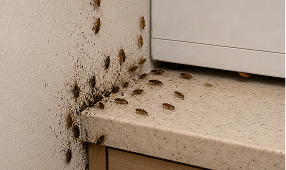











A fall on a staircase with a loose railing, a fire in a unit where the smoke alarm never worked, carbon monoxide from a furnace a tenant reported months earlier: when a death follows a condition like that, the family is usually left with questions the landlord is not answering.
Many families start by asking what a wrongful death lawyer does and whether calling one would change anything. The attorney reviews how the death happened, works out who may be legally responsible, protects the evidence and the filing deadlines, and explains what California law allows the family to seek.
Castelblanco Law Group represents California tenants and families in serious habitability matters, including injury and death connected to unsafe rental housing. Families in that position often do not know whether the condition that caused the death carries any legal significance, or whether anyone can still be held accountable for it.
How Can a Wrongful Death Lawyer Help Your Family?
A wrongful death lawyer handles the work a grieving family is in no position to take on. That includes collecting the records that show what happened, finding out who controlled the property and who was responsible for the repair, preserving proof before it is cleaned up or replaced, and dealing with the insurance company so the family does not have to. The attorney also explains, in plain terms, which relatives may bring a claim and what the law recognizes as a loss.
Reviewing How the Death Occurred
The first conversation usually covers the basic facts. Where did the death happen, what condition was involved, how long had it been there, and had anyone reported it? An attorney listens for the parts of the account that point to a hazard someone was responsible for fixing.
Some deaths that look like ordinary accidents involve a condition the landlord had already been told about. Others do not, and a careful review will say so rather than encourage a family to pursue something the facts do not support.
Explaining Your Family’s Legal Rights and Options
California law limits who may bring a wrongful death claim, and it treats the family’s own losses separately from any claim belonging to the person who died. An attorney explains which relatives may file, whether a separate claim on behalf of the estate may also exist, and what the law does not allow a family to recover. Families often come in with information from a neighbor, a coworker, or an insurance adjuster that turns out to be incomplete.
Identifying Who May Be Legally Responsible
Tenants know their building by the name on the sign or the name on the office door, which is often not the entity that would be named in a claim. An attorney reviews title records, the lease, the management agreement, and any vendor contracts to determine who controlled the area where the death occurred and who was responsible for keeping it safe.
Preserving Evidence and Protecting Important Deadlines
Most of the useful proof in a housing case sits with the landlord or the management company, and it does not stay available for long. An attorney can send a written notice asking the owner and the management company to preserve records, video, and the physical condition itself, and can arrange for an inspection before repairs are made. Deadlines are calendared at the same time, because a claim filed after the deadline is generally barred regardless of how strong the underlying facts are.
Handling Insurance Companies and Legal Proceedings
Insurance adjusters often reach out within days of a death. They may ask for a recorded statement, request signed medical authorizations, or raise a quick payment before anyone knows the full extent of the family’s loss. Once an attorney is involved, that contact runs through the firm. The attorney presents the claim, responds to the insurer’s position on liability, and files a lawsuit when negotiations do not produce a reasonable resolution.
How a Wrongful Death Case Typically Progresses
No two cases move at the same pace, and none of these stages runs on a fixed timeline. Most wrongful death claims involving rental property still follow many of the same procedural stages as the broader landlord lawsuit process, although wrongful death claims have their own rules about who may file and what losses may be recovered.
| Stage | What generally happens | What the family is usually asked for |
| Case review | The attorney reviews how the death occurred, the lease, and any complaint history, then decides whether the matter falls within the firm’s practice | The lease, correspondence with the landlord, and any medical or coroner records the family already has |
| Investigation | Records are requested, the property is inspected where possible, witnesses are interviewed, and experts review the condition | Names of neighbors and witnesses, plus authorization to obtain records |
| Claim presented to insurers | The attorney submits a demand setting out liability and the documented losses | Proof of financial support, household contributions, and funeral costs |
| Lawsuit filed | A complaint is filed against the responsible parties within the applicable deadline | Approval of the parties to be named |
| Discovery | Documents are exchanged, witnesses are deposed, and expert opinions are disclosed | Deposition testimony from family members |
| Negotiation or mediation | The parties attempt to resolve the case, sometimes with a neutral mediator | A decision on any offer made |
| Trial, if necessary | The evidence is presented to a judge or jury | Attendance and testimony |
What Is a Wrongful Death Claim?
⚖Not sure if you have a case against your landlord?
Castelblanco Law Group has helped tenants recover over $350M in damages.
Get a legal case evaluation from Castelblanco Law Group →A wrongful death claim is a civil case brought by certain surviving family members after a person dies because of another party’s negligence or wrongful act. Negligence means a failure to use reasonable care. In an unsafe living conditions case, negligence usually describes something specific: ignoring repeated reports of exposed wiring, leaving a stairway without a secure railing, or failing to repair a heating system after a tenant complained about fumes.
What May Qualify as Wrongful Death
A wrongful death claim generally involves several elements that have to be established together:
- Someone owed the person who died a duty of reasonable care, which a landlord and property manager generally owe to tenants and their guests.
- That party failed to meet the duty, by creating a dangerous condition or by failing to correct one.
- The failure caused the death rather than merely coinciding with it.
- Surviving family members suffered losses the law recognizes.
An accident on rental property does not automatically support a claim. A death caused by a condition the landlord had no reasonable way to know about may be treated differently from a death caused by a hazard reported three times over six months.
Who May Be Eligible to File a Claim
California Code of Civil Procedure section 377.60 sets out who may bring a wrongful death action. The list generally includes the surviving spouse, a registered domestic partner, the children, and the children of any deceased child. Where none of those survivors exist, the people who would inherit under California’s intestate succession rules, such as parents or siblings, may be able to file. Certain others may also qualify if they were financially dependent on the person who died, including a putative spouse, stepchildren, and dependent parents. Eligibility turns on family circumstances and can be one of the first questions an attorney sorts out.
How a Civil Wrongful Death Claim Differs From a Criminal Case
A criminal case is brought by a prosecutor on behalf of the state, and it seeks punishment such as a fine or a jail sentence. A wrongful death claim is brought by the family, and it seeks compensation for the losses the death caused them. The standard of proof also differs: a criminal conviction requires proof beyond a reasonable doubt, while a civil claim generally requires the family to show that its version is more likely true than not. Prosecutors rarely file criminal charges over a landlord’s failure to repair, and a decision not to prosecute does not prevent a family from pursuing a civil claim.
When Unsafe Rental Housing May Lead to a Wrongful Death Claim
California landlords have to keep rental housing safe and fit to live in, which is what habitability means in legal terms. When a serious hazard goes unrepaired and someone dies as a result, the failure to repair may form the basis of a claim. Whether it does depends on how dangerous the condition was, how long it lasted, what the landlord knew, and what the landlord did after finding out.
Dangerous Rental Conditions That May Cause Fatal Harm

Fatal harm in rental housing usually traces back to a physical condition someone was responsible for maintaining. Conditions that may lead to a claim include:
- Structural failures such as a collapsing balcony, deck, or stairway, or a railing that gives way
- Missing or broken smoke alarms in rental properties and carbon monoxide detectors, which California law requires in most residential rentals
- Faulty wiring, overloaded panels, and other electrical problems that lead to a fire or electrocution
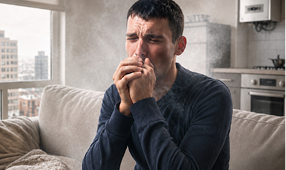
- Malfunctioning or improperly vented heating equipment, water heaters, and gas appliances, which the CDC identifies as common sources of carbon monoxide inside a home
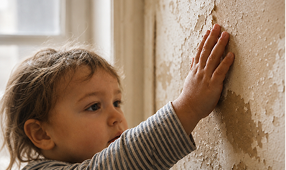
- Lead paint hazards in older buildings, particularly where small children live
- Unsecured pool gates, broken elevator equipment, and unlit or crumbling walkways in common areas
Each of those conditions is something a landlord or property manager is responsible for inspecting, maintaining, and repairing.
When Inadequate Security May Contribute to a Fatal Incident
A landlord is generally not responsible for the criminal acts of other people. Responsibility can arise when a violent incident was foreseeable and the property lacked reasonable security measures. Broken exterior door locks, a perimeter gate stuck open for months, missing deadbolts, dead lighting in a parking structure, and patrols the property stopped paying for can all matter in a negligent security claim. Earlier incidents at the same property, and complaints tenants made about access and lighting, often carry the most weight.
The Landlord Knew or Should Have Known About the Dangerous Condition
Notice is one of the most heavily contested issues in these cases. Actual notice means the landlord was told, through a written complaint, a text message, a maintenance ticket, or a code enforcement citation. Constructive notice means the condition existed long enough, or was obvious enough, that a reasonably careful owner would have found it during routine inspection or maintenance. Records from other tenants in the same building often matter here, because a hazard reported by three units is difficult to describe as unknown.
Who May Be Responsible for Unsafe Property Conditions
More than one party may share responsibility for a single dangerous condition. Depending on the facts, a claim may involve:
- The property owner or the entity that holds title
- The property management company that handled repairs and complaints
- A maintenance or repair contractor whose work was defective
- A security company that failed to perform contracted patrols or maintain access controls
- A homeowners association responsible for common areas
Where a public housing authority or another government entity is involved, a separate administrative claim generally has to be filed within six months, well before the ordinary lawsuit deadline. Identifying the right parties early affects both the deadlines that apply and the insurance coverage available.
How a Wrongful Death Lawyer Investigates and Builds the Case
Investigation in an unsafe housing case is mostly documentary. The goal is to show what the condition was, how long it existed, who knew about it, what was done about it, and how it caused the death, many of the same questions that shape premises liability cases. Much of that record is held by the landlord, the management company, and city agencies, so the work of building a case is largely the work of obtaining it and putting it in order.
Reviewing the Facts and Available Evidence
The review starts with what the family already has: the lease, photographs taken in the unit, text messages and emails to the manager, maintenance requests, medical records, and the death certificate. An attorney reads those materials against the timeline the family describes and identifies the gaps. A tenant may remember calling about a gas smell without having a record of the call, and the attorney can then look for the corresponding entry in the landlord’s own maintenance system.
Gathering Records, Witness Statements, and Expert Opinions
Records that a family cannot obtain on its own are often the most useful. Code enforcement and building department files may show earlier citations for the same problem, and a fire department report may identify the ignition source. Work orders, vendor invoices, property management software logs, and surveillance video can establish what the landlord knew and when.
Neighbors who complained about the same condition are frequently the strongest witnesses. Depending on the case, an attorney may also retain an engineer, an electrician, a fire origin specialist, a security consultant, or a forensic pathologist to explain the technical questions in terms a jury can follow.
Establishing Negligence, Causation, and Liability
Showing that a hazard existed does not by itself show that the hazard caused the death, so an attorney has to connect the two, usually through medical or coroner findings supported by expert testimony. In a carbon monoxide case, that connection may rest on blood test results, the condition of the appliance, and a technician’s inspection.
In a fall case, it may rest on the height and condition of the railing measured against the applicable building code. Landlords commonly argue that the tenant caused the condition, was careless, or died from an unrelated cause, and each of those defenses has to be anticipated.
Documenting Losses That May Be Legally Recognized
Losses have to be proven with the same care as liability. Pay records, tax returns, and employment history support the financial contributions the person made to the household. Evidence about the person’s role in the family, including caregiving, driving relatives to appointments, and daily household work, supports the non-financial side, and funeral and burial invoices are collected as well. Family members are usually asked to describe the relationship in their own words, and that testimony forms an important part of the record.
Identifying and Protecting California Filing Deadlines
A wrongful death action in California is generally subject to a two-year deadline under Code of Civil Procedure section 335.1, running from the date of death. Shorter or different deadlines can apply, including the six-month claim requirement for government entities and special rules where a claimant is a minor. Deadlines are determined by the facts of the case and the parties involved, so an early review is worth arranging even when the family is not ready to make a decision about filing.
Negotiating With Insurance Companies
Most claims of this kind are resolved with an insurer rather than with a landlord personally. The attorney assembles the liability evidence and the documented losses into a demand, then responds to the insurer’s position point by point. Insurers frequently dispute notice, argue that the tenant’s own conduct contributed, or take the position that the death would have occurred regardless of the condition. Negotiation can continue while a lawsuit is pending, and many cases resolve through settlement or mediation before trial.
Representing the Family in Court, When Necessary
When an insurer will not resolve a claim on reasonable terms, the case proceeds through litigation. The attorney files the complaint, conducts written discovery, takes depositions of the property manager and maintenance staff, retains and prepares experts, responds to motions, and tries the case if it reaches that point. Families are kept informed about what each stage requires of them, including any testimony they may need to give.
What Compensation May Be Available in a Wrongful Death Claim?
Compensation is money that may be sought or recovered for legally recognized harm or losses. Availability and amount depend on the facts and the law, and no attorney can tell a family what a case is worth before reviewing the evidence. California law separates the financial losses a family can put a number on from the losses that come with no receipts attached.
Economic Damages
Economic damages cover measurable financial losses. Categories generally include the financial support the person would have contributed to the family, the loss of gifts or benefits the family would have expected, funeral and burial expenses, and the reasonable value of household services the person provided, such as childcare, cooking, cleaning, or caring for an elderly relative. An attorney will often work with an economist to calculate the support the family would have received over the years ahead.
Non-Economic Damages
Non-economic damages cover the loss of the person’s love, companionship, comfort, care, assistance, protection, affection, and moral support. California law does not treat the survivors’ own grief or sorrow as a separate item of recovery. Family members instead describe the relationship itself and what daily life lost when the person died, and testimony from relatives, and sometimes from friends and teachers, is how that loss is presented.
When Should You Contact a California Wrongful Death Lawyer?
Families rarely feel ready to call an attorney in the weeks after a death. Speaking with one early can still help, because several of the things that later decide a case are already in motion during those first weeks.
Why Acting Promptly May Help Preserve Evidence
Landlords repair the condition that caused the death, sometimes within days. The unit gets cleaned, painted, and rented to someone else. Video systems overwrite older footage on a set schedule, and the maintenance employees who handled the complaints move on to other jobs. Contacting an attorney while the condition still exists is often the only chance to have it inspected and photographed before it is gone.
Situations That May Warrant Legal Guidance
A conversation with an attorney may be worth having when the death followed a condition the family or another tenant had reported, when the building had prior code violations or complaints, when an insurance adjuster has already contacted the family, or when the landlord’s account of what happened does not match what relatives and neighbors observed. Requests to sign paperwork, give a recorded statement, or accept an early payment are also reasons to get advice before responding.
What Happens When You Contact Castelblanco Law Group?
The first contact with the firm is a conversation about what happened, and its purpose is to understand the circumstances and tell the family honestly whether the matter falls within the firm’s practice. Nobody is asked to make a decision during that call.
Reviewing the Circumstances of the Death
The team asks about the property, the condition involved, who reported it and when, and how the death occurred. Families are welcome to speak with the firm’s Spanish-speaking legal team, and the review can be handled in English or Spanish. Nothing has to be organized in advance, and questions about the process are part of the conversation.
Evaluating Available Evidence and Documentation
The firm looks at what the family already has, such as the lease, photographs, messages to the landlord, maintenance requests, code enforcement notices, and any medical or coroner records. Families who have very little documentation are not turned away for that reason, because much of the relevant material sits with the landlord, the management company, and public agencies.
Explaining Possible Legal Options and Next Steps
After the review, the firm’s premises liability lawyers explain what they see in the facts, what deadlines may apply, and what the next step would look like. No one is told they definitely have a case before the evidence has been examined.
Tell the team what happened in the rental unit, and the firm can review the facts, explain whether the matter falls within its practice, and discuss possible next steps in English or Spanish.
Frequently Asked Questions
What Factors May Affect the Value of a Wrongful Death Claim?
Value depends on the person’s income and support of the family, the losses survivors can document, the strength of the evidence on notice, and available insurance coverage.
What Can Affect How Long a Wrongful Death Case Takes?
Timing generally depends on how quickly records are obtained, how many parties are involved, whether liability is contested, and whether the case settles or proceeds to trial.
What Evidence May Matter Most in an Unsafe Housing Wrongful Death Case?
Proof the landlord knew about the hazard usually matters most: written complaints, maintenance records, code violations, photographs, and the medical or coroner findings connecting the condition to the death.
Can More Than One Party Be Responsible for a Death on Rental Property?
Yes. An owner, a management company, a maintenance contractor, or a security provider may each share responsibility, depending on who controlled the area and who was responsible for the repair.
Get a Free Case Review. No Fees Unless We Win
Tell us what's happening. One of our tenant attorneys will review your situation and get back to you within 24 hours.

Eric Castelblanco,