











Disclaimer: The topics discussed in this blog are intended solely for informational purposes. They do not imply or guarantee that Castelblanco Law Group specializes in or accepts cases related to the subjects covered.
A premises liability lawsuit gives injured tenants and visitors a path to recover money for harm caused by unsafe property conditions. This guide explains the steps that move a claim forward, the laws that control timing and duty, the local rules that affect Los Angeles renters, and how a California tenant lawyer can protect your rights.
You will find clear examples, a practical elements table, concise action steps after an accident, and an FAQ. By the end, you will understand how evidence, deadlines, and negotiation shape outcomes, including whether a case ends in a premises liability settlement or proceeds to trial.
Quick Answer: How a Premises Liability Lawsuit Works in California
Strong claims begin with medical care, scene photos, and written notice to the owner or insurer. The legal test requires proof of duty, breach, causation, and damages within the correct filing window. Government property introduces a six-month claim step before any lawsuit. That extra requirement changes strategy, evidence preservation, and valuation.
A premises liability lawsuit starts with immediate treatment and documentation. The claimant gathers photos, identifies witnesses, and asks management for an incident report. Most personal injury actions must be filed within two years of the injury under Code of Civil Procedure §335.1.
After documenting the hazard and notifying the owner or insurer, follow the standard steps for how to file a personal injury claim to protect deadlines and preserve leverage.
Claims against a city, county, or agency require a government claim within six months. If the agency sends a written rejection, you generally have six months from the rejection to file suit; if no rejection issues, you generally have two years from accrual. Many matters resolve after treatment plateaus and records arrive.
Some proceed to trial if fault, causation, or damages remain contested. In limited situations, late-claim relief may be available for good cause within one year of the incident under Government Code §911.4, but it is discretionary.
What Is a Premises Liability Lawsuit?
⚖Not sure if you have a case against your landlord?
Castelblanco Law Group has helped tenants recover over $350M in damages.
Get a legal case evaluation from Castelblanco Law Group →This area of law assigns responsibility when preventable hazards on property cause injuries. The standard looks at reasonable inspections, prompt repairs, and clear warnings. Intent does not control the analysis. Reasonable care does.
“At Castelblanco, we’ve helped victims who’ve faced serious injuries regain control of their lives — providing guidance and support when it matters most.” – Eric E. Castelblanco, Attorney
Definition and Examples of Premises Liability Injuries
A premises liability injury arises when a dangerous condition causes harm and the controller of the area failed to act with reasonable care. Examples include falls on wet floors without warning signs, trips on raised sidewalk edges, missing handrails on stairways, loose tiles in grocery aisles, ceiling collapse in rental units, carbon monoxide exposure from faulty appliances, and dog bites in shared spaces where visitors lawfully entered.
Each example turns on notice, opportunity to fix or warn, and a documented link between the hazard and the injury.
Who Can File a Premises Liability Lawsuit?
Tenants, guests, customers, delivery workers, contractors, and passersby can file. Parents or guardians pursue claims for minors. Heirs may bring wrongful death cases when a hazard causes a fatal injury. The proper defendant is the owner, manager, business operator, or maintenance vendor that controlled the area at the time.
Potential defendants include:
• Property owner or commercial tenant/occupier
• Property manager or maintenance vendor
• HOA or security contractor
• Public entity responsible for the location
• Another tenant or dog owner where applicable.
What Counts as Unsafe Conditions or Negligence?
Hazards include water on floors, broken steps, missing guardrails, poor lighting, faulty smoke detectors, unsecured pools, loose carpeting, and defective gates. Substandard housing issues such as dampness, visible mold, lack of heat, and unsafe wiring support negligence when injuries flow from these conditions. California Health and Safety Code §17920.3 lists many defects that help anchor proof with objective standards.
When Are Property Owners Legally Responsible?
Responsibility depends on control over the area, knowledge or constructive notice of a dangerous condition, and a reasonable opportunity to fix or warn. Prior complaints, work orders, inspection logs, and photos often decide outcomes. The table below converts these rules into a quick checklist.
Duty of Care Under California Law
California Civil Code §1714 requires ordinary care in managing property and holds those who fail to use such care responsible for resulting injuries. Owners, occupiers, and managers must inspect, repair, and warn about hazards they know or should know about. The statute applies to landlords, store operators, HOAs, and vendors with control. You do not need proof of intent. You need facts showing a preventable condition and an unreasonable failure to act.
Types of Visitors: Invitees, Licensees, Trespassers
California applies a general duty of reasonable care, and the invitee, licensee, and trespasser labels inform what care is reasonable rather than control the outcome under that duty. Businesses owe frequent inspections and quick cleanup for invitees such as customers. Social guests receive warnings about hidden hazards the host knows about.
Trespassers get limited protection, though owners must avoid intentional harm and address known, hazardous conditions that could injure children. The greater the benefit the owner receives from the visit, the stronger the inspection and warning expectations.
Comparative Fault in Shared Responsibility Cases
California uses pure comparative negligence, as established in Li v. Yellow Cab. A fact-finder assigns percentages to everyone involved and reduces the injured person’s recovery by that number. Evidence that shows long-standing hazards, slow cleanup, poor lighting, or inconsistent maintenance reduces any share assigned to the injured person. Careful photos, time stamps, witness names, and prompt treatment notes all help.
Table: Key Legal Elements in a California Premises Liability Lawsuit
| Element | What You Prove | Practical Evidence |
| Duty | Control over the area and a duty of ordinary care | Lease terms, vendor contracts, store policies |
| Breach | A dangerous condition and an unreasonable failure to inspect, repair, or warn | Photos, surveillance, inspection logs, prior complaints, work orders |
| Causation | The hazard caused the injury | ER notes, physician diagnosis timing, footwear preservation, expert analysis |
| Damages | Financial and human losses from the injury | Bills, payroll records, therapy notes, pain journals, future care estimates |
Premises Liability Law in California
State statutes supply the duty language, set filing deadlines, and define substandard housing. These rules appear in many cases and give your evidence a firm legal anchor.
Civil Code §1714: Duty to Maintain Safe Property
Civil Code §1714 states that everyone must use ordinary care in property management and is responsible for injuries caused by a failure to use such care. Courts use this rule to evaluate inspections, repairs, warnings, and control over the area. The same principle applies to owners, tenants with control, and management companies that direct maintenance.
Many duties that affect repairs, warnings, and tenant safety sit within California landlord-tenant law under the Civil Code, which helps frame inspection and notice obligations in day-to-day property management.
CCP §335.1: Statute of Limitations for Injury Lawsuits
Most personal injury suits must be filed within two years of the injury date under CCP §335.1. Claims involving public entities require a government claim to be filed within six months before any lawsuit.
For minors, the two-year period is generally tolled until age 18 under CCP §352(a), but Government Claims Act deadlines still apply to claims against public entities.
Health & Safety Code: Common Violations That Lead to Claims
Health and Safety Code §17920.3 lists defects that make a dwelling substandard. Examples include inadequate sanitation, persistent dampness, visible mold, lack of heat, and unsafe wiring. Tenants who suffer injuries caused by these conditions can support negligence with inspection reports, violation notices, and repair records that tie the defect to the harm. Align photos with the exact statutory language to strengthen the link between the condition and the harm.
AB 1482, LA Rent Control, and Tenant Injury Implications
AB 1482 limits certain rent increases and requires “just cause” for many evictions statewide. While those rules do not decide injury fault, they intersect with habitability disputes and retaliation claims when tenants report hazards. In Los Angeles, the Rent Stabilization Ordinance (RSO) adds local protections and works with the Tenant Habitability Program during major repairs.
These frameworks do not determine injury fault but they generate notices, access logs, and relocation documents that often strengthen evidence.
Premises Liability in Los Angeles: Local Trends & Case Types
Los Angeles faces unique patterns. Uneven sidewalks, dim stairwells in older buildings, and parking structures with broken gates appear often; very small height differences may be deemed ‘trivial’ as a matter of law. Lighting, location, prior incidents, and surrounding conditions matter, so triviality is fact-sensitive rather than a simple ruler test.
RSO coverage and local programs shape how tenants report issues and how owners conduct repairs. A premises liability lawsuit Los Angeles claim often includes neighborhood-specific facts and city processes.
Common LA Property Hazards (Sidewalks, Stairwells, Apartments)
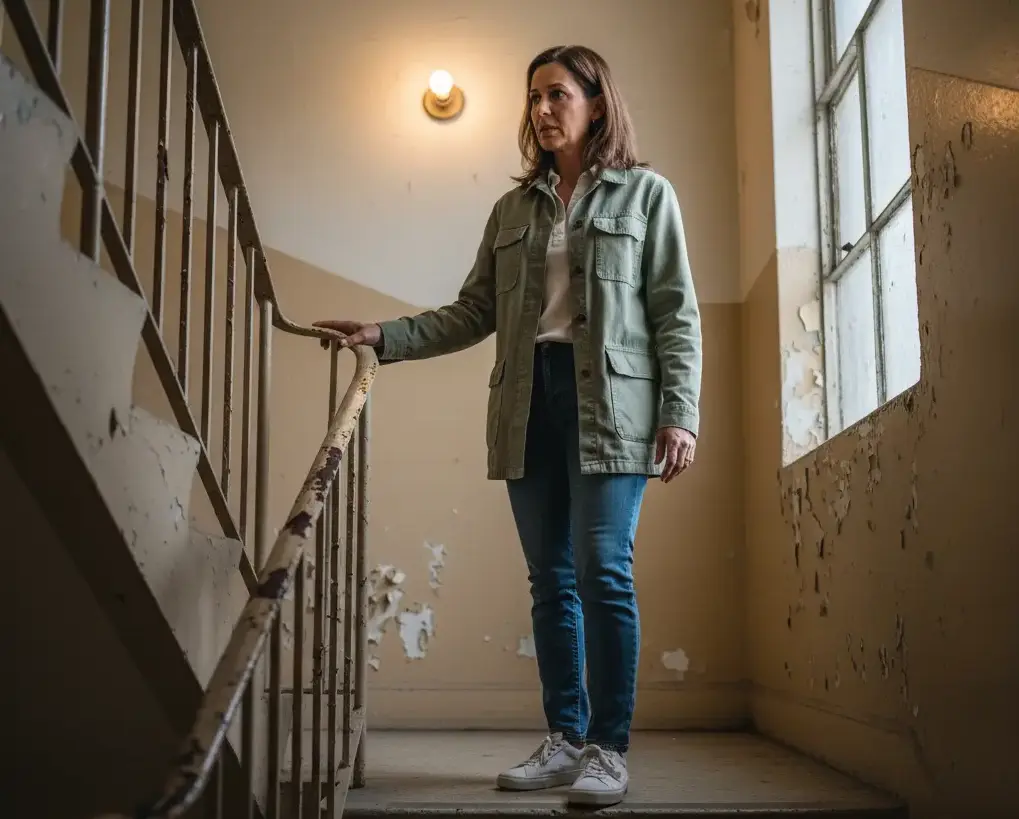
Frequent hazards include raised concrete from tree roots, broken curb ramps, cracked tiles, loose thresholds, poor lighting in stairwells, and leaks that support mold growth. Parking structures may suffer from burned-out bulbs or gate failures. Government property adds a strict claims step, and liability turns on a ‘dangerous condition’ that creates a substantial, not trivial, risk of injury, so identify the agency quickly.
Claims against public entities usually proceed under Government Code §835, which requires proof of a dangerous condition, foreseeable risk, causation, and either creation by a public employee’s negligence or actual or constructive notice with time to fix it.
Patterns in Lawsuits Filed Against LA Landlords or Businesses
Cases often involve missed inspections, repeated tenant complaints, slow responses after notice, and code citations. Grocery and retail claims frequently cite unmarked spills, water from refrigeration units, or curled floor mats. Apartment claims highlight substandard conditions that connect directly to injuries. Maintenance logs and vendor invoices provide a paper trail that shows knowledge and delay.
How LA’s Right-to-Counsel and RSO Impact Tenants’ Claims
Right-to-Counsel programs focus on eviction defense but often create referral routes for habitability and injury issues that arise from unsafe conditions. The RSO’s Tenant Habitability Program structures repairs that require temporary relocation and sets notice and access procedures that help preserve records during work. Those frameworks do not resolve fault. They do help tenants maintain access, preserve records, and organize proof during repairs.
Examples of Premises Liability Cases We Handle
Real scenarios show how hazards translate into claims. Each example depends on evidence that links a condition to harm and shows a controllable risk.
Slip, Trip, and Fall Incidents in Apartments or Stores
Falls often result from wet entry tiles during rain, pooled water near coolers, curled mats, loose tiles, raised thresholds, or dim lighting. Take wide and close photos before cleanup, request an incident report, map nearby cameras, and keep your footwear for tread analysis. Understanding how a slip and fall case works helps you decide what to document first and when to notify the property owner or insurer.
Landlord Negligence Causing Mold, Fire, or Collapse
Chronic leaks and poor ventilation feed mold that triggers breathing problems or other illness. Faulty wiring and blocked exits raise fire risk. Deferred structural repairs can lead to ceiling or balcony failure. Inspection findings, prior complaint emails, and vendor bids create a compelling record of notice and delay.
Dog Bites or Animal Attacks in Public or Rental Spaces
California imposes strict liability on owners for dog bites that occur in public places or when the victim lawfully enters private property under Civil Code §3342, which does not require proof of prior viciousness. Wound photos, immediate medical records, and animal control reports build strong files. Ownership proof, vaccination logs, and witness contact information help confirm essential facts.
Inadequate Lighting, Broken Gates, and Security Failures
Poor lighting hides elevation changes and surface defects. Broken gates allow unauthorized access. Defective door hardware undermines safety in multi-unit buildings. Request camera retention policies, key-fob logs, and maintenance tickets. Those records show knowledge, repair timing, and missed opportunities to fix simple problems.
What Compensation Can You Recover?
Damages reflect medical needs, income loss, and documented human impact. Accurate valuations rely on bills, wage data, and physician opinions that tie symptoms to the event. Settlement talks weigh proof strength, deadlines, liens, and trial risk.
Types of Damages: Medical Costs, Lost Wages, Pain & Suffering
Recoverable losses include emergency care, imaging, surgery, physical therapy, prescriptions, and mobility aids. Wage loss and reduced earning capacity matter when injuries limit work. Pain and suffering reflect daily limitations and credible reports. Future care appears when doctors project ongoing treatment or durable equipment needs. California law sets no general cap on noneconomic damages in ordinary premises liability cases; MICRA limits apply to medical malpractice, not premises claims.
Examples of Past Settlements and Trial Verdicts
Outcomes vary with fault percentages, injury severity, and policy limits. A simple sprain with brief therapy may settle for amounts tied to bills and time off. A fracture with surgery often commands more. A premises liability settlement balances proof, defense arguments, and jury risk for both sides.
Factors That Affect Case Value
Value rises with strong notice evidence, clear photos, consistent treatment, and supportive witnesses. Lighting conditions, video retention, cleanup speed, and footwear traction can shift liability shares. Government defendants add strict timing rules that shape leverage in talks.
How to Prove a Premises Liability Case
Effective cases combine fast documentation, targeted records requests, and focused discovery. Preservation letters keep video and logs from disappearing. Organized medical files link symptoms to the event and support causation.
Key Evidence That Strengthens Your Claim
Capture high-resolution photos of the hazard, then include scale with a ruler or coin. Record lighting at the same time of day. Request incident reports and the names of employees who responded. Identify cameras and ask in writing that the owner preserve video. Seek medical care within twenty-four hours and follow the plan. Keep pay stubs, schedules, and supervisor notes that confirm missed work.
Common Defenses Property Owners Use
Owners argue the hazard was open and obvious, that they lacked notice, or that staff had no time to fix the problem. In California, an open and obvious condition can reduce the landowner’s duty but usually does not bar recovery; the issue often shifts to comparative fault and feasible safeguards.
Stores point to inspection checklists. Government entities rely on claim presentation rules. Counter with logs, time-stamped photos, and witness statements. Show how long the condition existed and how reasonable steps would have removed the risk.
Insurance Company Tactics to Watch Out For
Adjusters ask for broad medical releases and recorded statements that shift blame. They discount symptoms or push a quick payment before full diagnosis. Keep communication short, refuse recorded statements, and route document requests through counsel. Written requests keep the scope narrow and easier to manage.
What to Do After a Premises Liability Injury
Immediate steps protect health and proof. The checklist below prevents common mistakes and supports a cleaner claim record.
Checklist: What to Do Immediately After the Accident
- Move to a safe area and call for help.
- Photograph the hazard and surroundings.
- Report the incident to the landlord or manager in writing.
- Request a copy of the incident report.
- Get same-day medical evaluation and follow the plan.
- Preserve shoes and damaged items.
- Write a brief account while details remain fresh.
Why Medical Records & Photos Matter
Medical records establish timing, mechanism, and symptom consistency. Photos capture the condition before cleanup or repair and show scale. Together, they prove causation and strengthen negotiating power. Clear documentation also helps experts explain how the hazard produced the injury.
When to Speak With a Lawyer and What to Expect
Early legal help protects deadlines and evidence. Counsel collects records, sends preservation letters, and manages insurer contact. If a city, county, or transit agency may be responsible, a government claim must be filed within six months. After a rejection or no response within the statutory period, a lawsuit can proceed. Planning covers valuation, negotiation, and trial readiness.
How Castelblanco Can Help With Your Premises Liability Lawsuit
Start with a free case review. We issue preservation letters to secure video, inspection logs, and incident reports. Our team gathers medical records, photographs, code citations, and witness statements, then files any required government claim within six months.
We calculate damages using bills, wage data, and physician opinions, prepare a demand aligned with the evidence, and negotiate while preparing for trial. If settlement talks stall, a California tenant lawyer on our team litigates, drawing on LA RSO and habitability experience.

Settlements vs. Lawsuits: What’s the Difference?
Most matters end through agreement after records exchange and medical stabilization. Trial remains for disputes that refuse to close. The right choice depends on proof strength, fault shares, and risk tolerance. Understanding premises liability vs personal liability coverage also shapes strategy and expectations during talks.
How Most Premises Liability Cases Are Resolved
Settlement avoids trial cost and timing uncertainty. The parties sign a release that ends claims from the incident. Negotiation weighs medical proof, wage data, liens, and likely jury reactions. Reasonable offers track evidence and legal standards, not wishful thinking.
When and Why Cases Go to Trial
A case goes before a jury when fault remains disputed, causation looks weak to the defense, or the insurer undervalues pain and suffering. Trial outcomes vary. Lawyers prepare exhibits, witnesses, and experts to present a precise, coherent story under California rules.
Conclusion
Premises cases succeed when evidence shows a preventable hazard, a failure to act with reasonable care, and a clear link to documented harm. California Civil Code §1714 establishes the duty, while CCP §335.1 provides a two-year filing limit for most cases, with a six-month rule for government claims on public property.
Los Angeles programs influence repairs and records for RSO-covered units, which matters for tenants who need safe access during remedial work. Photos, medical proof, and notice documents drive value and leverage.
A fair outcome may arrive through a premises liability settlement or a jury verdict. Understanding how coverage, deadlines, and proof work, especially in a premises liability lawsuit Los Angeles context, helps you choose the right next step.
FAQs About Premises Liability Lawsuits in California
What Is a Premises Liability Lawsuit?
A claim that seeks compensation for injuries caused by dangerous property conditions controlled by an owner, manager, or occupier that failed to use reasonable care.
Who Is Responsible for My Injury?
The party that controlled the area and knew or should have known about the hazard, failed to fix or warn, and caused the specific injury through that failure.
What Does California Civil Code §1714 Mean?
It requires ordinary care in property management and allows recovery when preventable hazards cause injuries due to unreasonable inspections, repairs, or warnings.
How Long Do I Have to Sue?
Most people have two years to file. Claims against public entities require a government claim within six months before any lawsuit begins. See official guidance online.
What Evidence Helps Me Win?
Time-stamped photos, prompt medical records, witness statements, inspection logs, violation notices, and preserved video connect the hazard to the injury and losses.
What If I’m Partially at Fault?
California reduces recovery by your fault percentage under pure comparative negligence, so partial fault still allows compensation based on the remaining share.
Get a Free Case Review. No Fees Unless We Win
Tell us what's happening. One of our tenant attorneys will review your situation and get back to you within 24 hours.

Eric Castelblanco, Attorney/Founder
Eric Castelblanco, founder and managing attorney of Castelblanco Law Group, APLC, has championed tenants' rights for over two decades and has secured over $350 million in verdicts and settlements.
Castelblanoc Law also specializes in every aspect of personal injury accident cases, deliveri...