











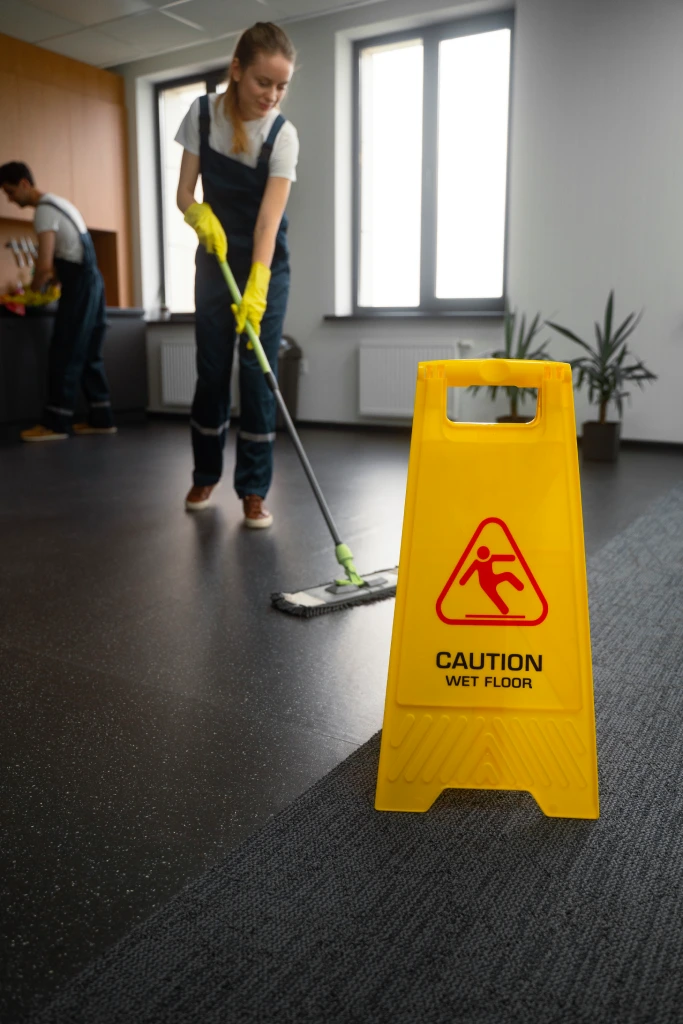

A property owner has a basic responsibility: keep the space reasonably safe for the people who walk through it. When that responsibility lapses and someone gets hurt, premises liability law decides who pays for the harm.
Premises liability cases cover a wide range of injuries, from a fall on a slick grocery store floor to a child hurt by a broken stair in a rental building. What ties them together is a property condition that should have been fixed and an owner who failed to act.
Below you will find the main categories, real examples, the parties who may be held responsible, and the evidence that proves fault. By the end, you will know what makes one of these claims strong, when to speak with a premises liability lawyer, and what to do if a dangerous property condition has injured you in California.
What Is a Premises Liability Case in California?
A premises liability case is one of the types of personal injury claims that can hold a property owner or controller responsible when an unsafe condition on their property causes someone harm. California law expects owners to maintain their property with reasonable care and to address hazards they know about or should have found through routine inspection.
The legal logic behind premises liability and negligence is direct. An owner who acts negligently, allows a dangerous condition to persist, and causes injury as a result may owe the injured person compensation. Negligence leads to a dangerous condition, the condition leads to harm, and the harm supports a claim for damages.
California applies a single standard of reasonable care to people who are lawfully on a property, whether they are customers, guests, or tenants. The question in most cases is simple to state and harder to answer: Did the owner act as a reasonably careful person would have under the same circumstances?
Common Types of Premises Liability Cases and Examples
⚖Not sure if you have a case against your landlord?
Castelblanco Law Group has helped tenants recover over $350M in damages.
Get a legal case evaluation from Castelblanco Law Group →The most common types of premises liability cases fall into a handful of recognizable categories. The table below works as a quick reference, and the sections after it add detail and premises liability case examples for each one.
Comparison Table: Case Types, Hazards, and Liable Parties
| Case Type | Common Hazard | Party Often Responsible |
| Slip and fall | Wet, waxed, or oily flooring | Store, business, or property owner |
| Trip and fall | Uneven pavement, loose cords, raised thresholds | Owner or manager responsible for upkeep |
| Unsafe rental conditions | Broken stairs, pest infestation, lead paint | Landlord or residential property owner |
| Negligent security | Broken locks, poor lighting, no entry control | Property owner or operator |
| Dog bite or animal attack | Unrestrained or dangerous animal | Animal owner, sometimes the landlord |
| Elevator or escalator | Faulty maintenance, sudden stops | Owner and maintenance contractor |
| Swimming pool | Missing fence, no warning signs, defective drains | Pool owner or operator |
| Falling objects | Unsecured shelving or stacked merchandise | Store or warehouse operator |
| Fire and building safety | Blocked exits, missing alarms | Owner responsible for code compliance |
Each category turns on the same question of reasonable care, though the hazards and responsible parties differ from one to the next.
Slip and Fall Accidents
A slip and fall happens when a person loses traction and goes down, usually on a surface that is wet, freshly mopped, waxed, or oily. The body slides before it falls, which is why these injuries often involve the lower back, hips, and head.
Picture a shopper who steps into a puddle near a leaking refrigerator case at a supermarket. No cone, no warning, no employee nearby. If the store knew about the leak or let it sit long enough that a careful manager would have caught it, the fall points to negligence.
Grocery stores, restaurants, gyms, and office lobbies see this kind of slip-and-fall case most often because foot traffic and spills go together.
Trip and Fall Accidents
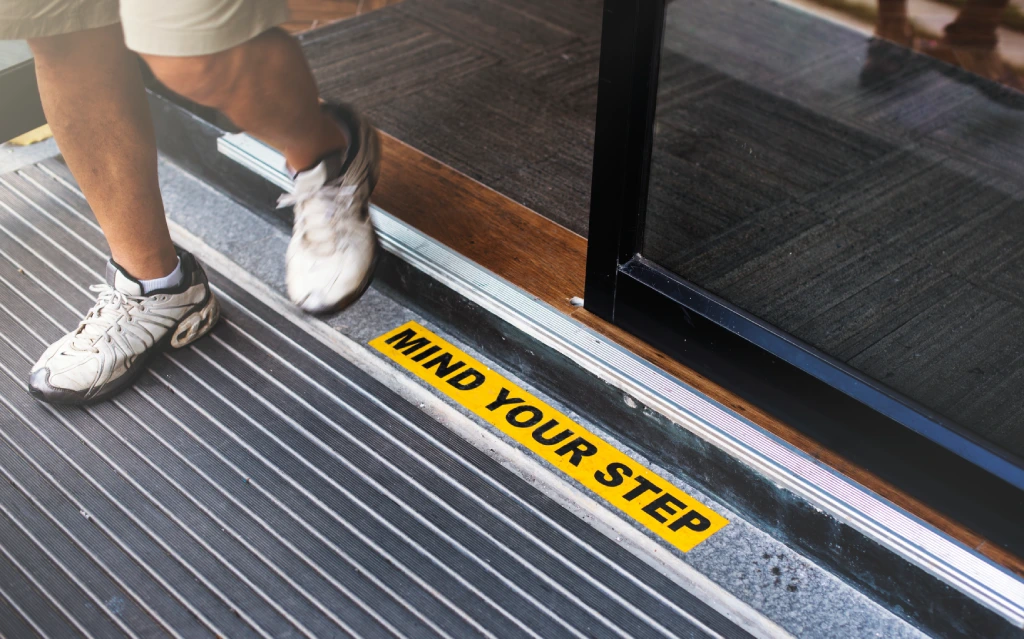
A trip and fall works through a different mechanism. Here the foot catches on something, the upper body keeps moving, and the person pitches forward. The cause is an obstacle or a change in height rather than a loss of grip: a raised slab of sidewalk, a curled rug edge, an extension cord stretched across a walkway, or a step that sits an inch higher than the others.
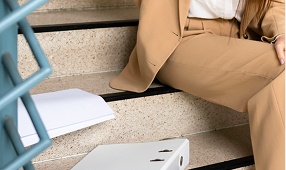
Consider a tenant who catches a shoe on a torn stair tread in a poorly maintained apartment stairwell and breaks a wrist on the landing below. The hazard was structural and fixable. An owner who ignored it, or never inspected the stairwell at all, may be liable for the resulting injury.
The distinction from a slip matters because the evidence differs. A trip case often turns on measurements, lighting, and the condition of a fixed object, not a transient spill.
Unsafe Rental and Apartment Conditions
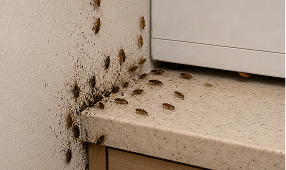
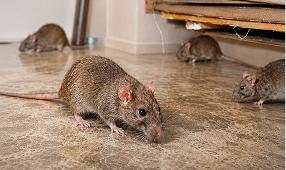
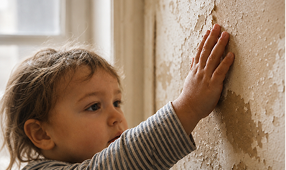
Rental housing carries some of the most serious premises liability risks, because people live with a dangerous condition day after day. A landlord who lets hazards build up exposes tenants to real harm: a staircase that collapses under normal use, a balcony railing that gives way, a rodent or cockroach infestation that spreads illness, or deteriorating lead paint that poisons a young child.
When the hazard is in a shared stairwell, hallway, parking area, or common space, the case may involve an apartment complex injury rather than only a private unit issue.
Negligent Security Claims
Negligent security is a recognized branch of premises liability law in California. The theory applies when a property owner fails to take reasonable safety measures and a foreseeable crime harms someone on the premises. Common factors include broken exterior locks, burned-out parking lot lighting, or no monitoring in a building with a known history of incidents. In rental housing, similar facts may also raise questions about landlord liability for crimes against tenants.
The key legal idea is foreseeability. A court looks at whether the owner should have anticipated the risk and whether reasonable precautions would have reduced it. Liability in these matters is fact specific and often disputed, so outcomes depend heavily on the circumstances of each property.
Dog Bite and Animal Attack Cases
California treats dog bites strictly. Under California’s dog bite liability statute, a dog owner is liable when their dog bites someone in a public place or on private property where the person was lawfully present, even if the dog never showed aggression before. The injured person does not have to prove the owner was careless.
Premises liability enters the picture when the property owner is not the dog owner. A landlord may share responsibility only if the landlord had actual knowledge of the dog’s dangerous tendencies and had the right and ability to take reasonable steps to prevent the harm.
Severe bites often lead to nerve damage, scarring, and infection, which is why these claims frequently involve significant medical treatment.
Elevator and Escalator Accidents
Elevators and escalators rely on constant maintenance, and a single neglected component creates serious danger. Riders have been hurt by sudden drops, misaligned floor stops that leave a tripping edge, doors that close on a passenger, and escalator steps that catch clothing or fingers.
Responsibility here is often shared. The property owner controls the equipment, but a maintenance company under contract may carry part of the fault if it skipped scheduled servicing or signed off on a faulty repair.
In California, Cal/OSHA’s Elevator Unit inspects and enforces code compliance for elevators and other conveyances, which makes records of inspection and repair especially important when deciding who answers for the injury.
Swimming Pool Accidents
Pools combine obvious appeal with hidden risk, especially for children. California requires specified drowning-prevention safety features for many new or remodeled private residential pools, and public-pool rules may require approved enclosures and self-closing, self-latching gates depending on the facility.
A toddler who slips through an unlatched gate into an apartment complex pool, or a swimmer injured by a defective drain that creates dangerous suction, may have a valid premises liability claim. Owners and operators who ignore required safeguards put swimmers at real risk of catastrophic harm.
Falling Objects and Structural Hazards
Not every property injury comes from the ground. Merchandise stacked too high in a warehouse store, an unsecured shelf, a loose ceiling tile, or crumbling masonry on a building facade all pose a threat to a person below. Big-box retailers and self-storage facilities see these claims when heavy items sit without proper restraints.
Structural hazards work the same way. A collapsing deck at a rental property, a sagging balcony, or a stair that pulls away from its supports turns ordinary use into a danger. The injuries tend to be severe, since falling weight and structural failure carry a lot of force.
Fire and Building Safety Violations
Fire safety failures turn a survivable emergency into a deadly one. Blocked or locked exits, missing smoke alarms, broken fire doors, and obstructed stairwells leave people with no safe way out. When an owner ignores fire code and someone suffers burns, smoke inhalation, or worse, the violation becomes central to a premises liability claim.
A nightclub that chains a rear exit, or an apartment building with dead smoke detectors and a cluttered escape route, shows how a single oversight multiplies harm during a fire. Compliance with safety codes is the baseline owners are held to.
Who Can Be Held Liable in a Premises Liability Case?
Liability follows control. The person or organization that owned, managed, or controlled the property where the injury happened is usually the one who answers for it. More than one party frequently shares fault, especially in rental and commercial settings.
Property Owners
The property owner sits at the center of most premises liability cases. Owners hold a legal duty to keep their property reasonably safe and to repair or warn about hazards they know about or should have discovered. An owner who rents out a single-family home, runs a retail shop, or maintains a parking lot answers for dangerous conditions that injure lawful visitors.
Landlords and Residential Property Owners
Landlords owe their tenants a safe living environment and reasonable upkeep of the building. A landlord who fails to fix a broken staircase, ignores a spreading infestation, or lets lead paint deteriorate may be liable when a tenant is hurt or made ill.
Property Managers and Management Companies
Management companies often handle the daily work an owner delegates: inspections, repairs, hiring maintenance staff, and responding to complaints. When a manager receives a report about a hazard and does nothing, that company may share liability alongside the owner. Courts look at who held the authority and the duty to fix the problem.
Business Owners and Commercial Tenants
A business that leases its space still controls what happens inside it. A restaurant answers for a slick kitchen floor that spills into the dining area, and a gym answers for faulty equipment or a wet locker room. The same control-based analysis often decides whether a store is liable for a customer injury.
Commercial tenants and the property owner sometimes both carry fault, depending on what the lease assigns and who controlled the dangerous area.
Government Entities and Public Property Operators
Public property follows special rules. A dangerous condition on public property may support a claim against the responsible public entity only if the condition created a reasonably foreseeable risk of the injury and either a public employee created it or the entity had actual or constructive notice in time to protect against it.
California sets a much shorter deadline for these matters, so the six-month public-entity claim deadline usually controls these injury claims.
Ways to Prove Liability in Premises Liability Cases
Proving a premises liability claim means showing the owner’s negligence with facts, not assuming it. The reliable ways to prove liability in premises liability cases break into a sequence, where each step depends on the one before, and a gap in any of them weakens the whole case.
Step 1: Establish That the Property Owner Owed You a Duty of Care
The first step is duty. In California, anyone who owns or controls property owes a duty of reasonable care to people who are lawfully present. A store owes that duty to customers, a landlord to tenants and their guests, and a homeowner to invited visitors. Establishing that the defendant controlled the property and owed you care sets the foundation for everything that follows.
Step 2: Identify the Dangerous Property Condition
Next, you have to point to the specific hazard that caused the injury. Vague complaints rarely succeed. A claim grows stronger when it names the exact problem: a three-inch height difference between two sidewalk slabs, a stair tread missing its anti-slip nosing, or standing water from a drain that backed up two hours before the fall.
Step 3: Show the Owner Knew or Should Have Known About the Hazard
Owners answer for hazards they created, hazards they knew about, and hazards a reasonable inspection would have caught. Lawyers call the last category constructive notice. If a spill sat in an aisle for forty-five minutes while employees walked past it, the store should have known.
Proving notice often decides the case, because an owner who had no reasonable chance to discover a sudden hazard may not be at fault.
Step 4: Connect the Hazard to Your Injury
Causation links the dangerous condition to the actual harm. You have to show the hazard caused your injury, not some unrelated event. A defense lawyer will look for other explanations, a prior back condition or a misstep that had nothing to do with the property, so medical evidence that ties the injury to the incident carries real weight.
Step 5: Support the Claim With Evidence
Evidence turns a believable story into a provable one. The strongest premises liability cases rest on documentation gathered early, before conditions change and memories fade. Four kinds of proof do most of the work.
Photographs and Video Footage
Images capture the hazard as it was. A photo of the unmarked wet floor, the broken railing, or the unlit stairwell stops an owner from claiming the condition looked different. Surveillance video is even better, since it shows the fall itself and how long the hazard existed. Request footage quickly, because many systems overwrite recordings within days.
Maintenance and Inspection Records
Repair logs, inspection checklists, and work orders reveal what an owner knew and when. A gap in the records, or a complaint that went unanswered for weeks, shows neglect. Such documents usually sit with the defendant, so your attorney may need a formal request to obtain them.
Witness Statements
People who saw the accident, or who reported the hazard earlier, give powerful testimony. A coworker who warned a manager about a loose floor mat, or a neighbor who reported a dark parking garage, helps prove the owner had notice. Collect names and contact details at the scene whenever possible.
Medical Records and Expert Testimony
Medical records connect the injury to the incident and document its severity. For complex cases, experts add weight: a safety engineer who explains a code violation, or a physician who details long-term damage. Together, medical proof and expert analysis translate pain and disruption into facts a court recognizes.
Why Premises Liability Cases Can Be Hard to Prove
Property owners and their insurers rarely concede fault. They argue the hazard was obvious, that you were not watching where you walked, or that the condition appeared moments before the accident with no time to fix it. Evidence disappears fast, too. Spills get cleaned, broken fixtures get repaired, and video gets erased, which leaves an injured person trying to reconstruct a scene that no longer exists. The burden sits with you to prove each element, and a weak link anywhere gives the defense an opening.
What Can Make a Premises Liability Case Stronger
Strong cases share a few traits. Quick documentation, consistent medical treatment, and clear proof of notice all push a claim forward. A tenant who emailed the landlord about a wobbly railing three weeks before it failed has written proof of notice, far more convincing than memory alone. Acting fast and keeping records is what separates a provable claim from a he-said-she-said dispute.
What Compensation Can You Recover in a Premises Liability Case?
A successful claim aims to make the injured person whole. The value of a premises liability settlement often depends on both the money already lost and the losses still ahead. California allows recovery for economic damages you count and non-economic damages that are real but harder to price.
Medical Expenses
Medical costs usually form the largest part of a claim. Recovery covers emergency care, hospital stays, surgery, physical therapy, medication, and future treatment a doctor expects you to need. Keep every bill and record, since these numbers anchor the rest of the case.
Lost Income and Reduced Earning Capacity
Time away from work counts. You may recover the wages lost while you healed, and if the injury limits what you are able to do going forward, the claim covers reduced earning capacity as well. A warehouse worker who can no longer lift heavy loads after a back injury, for example, may recover the income that limitation costs over the years.
Pain and Suffering
Not all harm shows up on a bill. Pain and suffering compensates for physical pain, emotional distress, anxiety, and the loss of activities you once enjoyed. California does not use a fixed formula for these damages, so their value rises and falls with the severity of the injury and how deeply it changed daily life.
Long-Term Disability and Future Damages
Serious injuries reach far past the courtroom. When an accident causes permanent disability, the claim accounts for future medical care, ongoing assistance, home modifications, and the lifelong effect on earning and independence. Cases involving spinal injury, brain trauma, or amputation often carry the highest long-term value, because the harm never fully resolves.
Steps to Protect Your Rights After a Property-Related Injury
What you do in the hours and days after an injury shapes the strength of any future claim. Five practical steps protect both your health and your legal options.
Seek Medical Attention
Your health comes first, and prompt care also creates the medical record a claim depends on. See a doctor even if the injury feels minor, because some conditions surface days later. A documented link between the accident and the injury starts with that first visit.
Report the Incident
Tell the right person and put it in writing. Notify the store manager, landlord, or property manager, and ask for a written incident report. A dated report establishes when the injury happened and stops the owner from later denying it occurred.
Preserve Evidence
Capture the scene before it changes. Photograph the hazard, your injuries, and the surrounding area from several angles, and save the shoes and clothing you wore. Get names and numbers from witnesses, and write down what happened while the details stay fresh.
Speak With a California Premises Liability Attorney
An experienced attorney evaluates the strength of your claim, identifies every liable party, and handles the insurers who would rather pay little or nothing.
Castelblanco Law Group represents people across California who were injured by dangerous property conditions, from unsafe rental housing to hazardous commercial spaces. Reaching out early gives your attorney the best chance to preserve evidence before it disappears.
Final Takeaway: Evidence Matters in Premises Liability Cases
Premises liability cases rise or fall on proof. A genuine injury is not enough on its own. You have to show the owner owed you care, allowed a dangerous condition, knew or should have known about it, and caused your harm.
The claims that succeed are the ones backed by photographs, records, witnesses, and prompt medical care. If a dangerous property condition has injured you in California, acting quickly to document the scene and consult a premises liability attorney gives your claim its best footing.
Frequently Asked Questions About Premises Liability Cases.
What Is the Statute of Limitations for Premises Liability Cases in California?
California generally gives two years to file a personal-injury lawsuit, but claims relating to injury or death against a public entity generally require a written government claim no later than six months after the cause of action accrues.
What If I Was Partially at Fault for the Accident in California?
California uses pure comparative negligence. You may still recover damages even when you were partly at fault, though the court reduces your award by your percentage of responsibility.
How Long Do Premises Liability Cases Take to Settle?
It depends on the situation. Straightforward claims may settle in months, while disputed or severe-injury cases stretch to a year or more, especially when they head toward trial.
How Much Is a Premises Liability Case Worth?
Value depends on injury severity, medical costs, lost income, and long-term effects. Minor cases may settle for thousands, while serious or permanent injuries reach six or seven figures.
Can I Sue My Landlord for an Injury in My Apartment?
Yes. If a landlord’s negligence created a dangerous condition, such as a broken stair or pest infestation, and it injured you, you may have grounds for a premises liability claim.
Get a Free Case Review. No Fees Unless We Win
Tell us what's happening. One of our tenant attorneys will review your situation and get back to you within 24 hours.

Eric Castelblanco,