













In California, suing a landlord for unsafe living conditions starts with knowing when a repair issue has crossed the line into a real legal claim that may require help from a slumlord lawyer. A broken step left unrepaired for months, peeling lead paint in a child’s bedroom, or a cracked furnace leaking carbon monoxide into the hallway are not minor inconveniences.
These conditions can cause serious harm, and California law may allow tenants to recover compensation for medical bills, lost income, and the pain and suffering caused by a landlord’s negligence.
The sections below explain when you may have a case, what evidence carries the most weight, the steps involved in filing, and the compensation a court may award.
Can You Sue Your Landlord for Unsafe Living Conditions in California
Yes. California tenants who suffer injury or illness because of a dangerous property condition have the right to sue their landlord for compensation. Housing law treats a rental as more than a roof over your head. Property owners owe a duty to maintain habitable premises, and when they fail and someone gets hurt, the tenant has grounds to pursue damages through a civil lawsuit.
When Unsafe Living Conditions Become a Legal Claim
A condition rises to a legal claim once three elements line up: the property had a dangerous defect, the landlord knew or should have known about it, and a tenant suffered injury or illness as a result. A cracked step that nobody fell on is a maintenance issue. A cracked step that collapsed under a tenant carrying groceries and broke her ankle is a lawsuit.
Two legal theories apply most often. Premises liability covers injuries from physical hazards on the property. The implied warranty of habitability covers illnesses and harm from conditions that made the unit legally unfit to live in. Lead poisoning and carbon monoxide cases frequently involve both theories at once.
California Habitability Rules That Support Your Claim
California Civil Code Section 1941.1 sets the minimum standards for a habitable rental. Landlords must provide working plumbing, adequate weather protection, safe stairs and railings, working electrical systems, and a property free of rodents, insects, and vermin. Properties must also comply with local health and safety codes.
The statute does not pay out damages on its own. Instead, it establishes the legal duty that a negligence or personal injury claim builds on. Once a landlord violates the code and a tenant gets hurt, the path to compensation opens up.
What Unsafe Living Conditions Can Lead to a Lawsuit
⚖Not sure if you have a case against your landlord?
Castelblanco Law Group has helped tenants recover over $350M in damages.
Get a legal case evaluation from Castelblanco Law Group →Not every broken fixture creates a viable case. Courts look for conditions severe enough to cause injury or illness, paired with landlord conduct that fell below a reasonable standard of care. Four categories come up most often in California lawsuits.
Dangerous Property Conditions That Cause Physical Injury
Physical hazards are the most straightforward basis for a premises liability suit. Common examples include:
- Collapsed or rotted stairs, decks, and balconies
- Loose or missing handrails
- Exposed wiring and shock risks
- Broken flooring, unstable tile, or torn carpet in walkways
- Falling ceiling panels or crumbling plaster overhead
- Unsecured balcony railings above a drop
A tenant who trips on a loose step and fractures a wrist, or one shocked by exposed wiring behind a kitchen outlet, has a real claim if the owner knew about the hazard and failed to fix it.
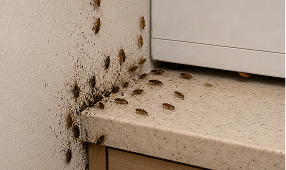
Severe Pest Infestations That Lead to Illness
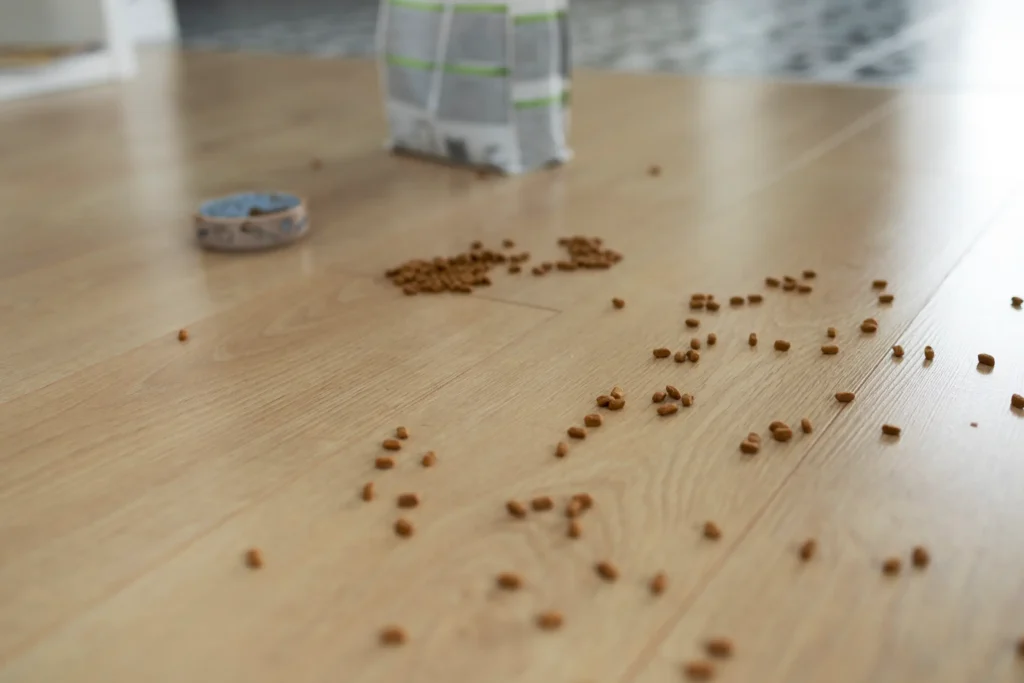
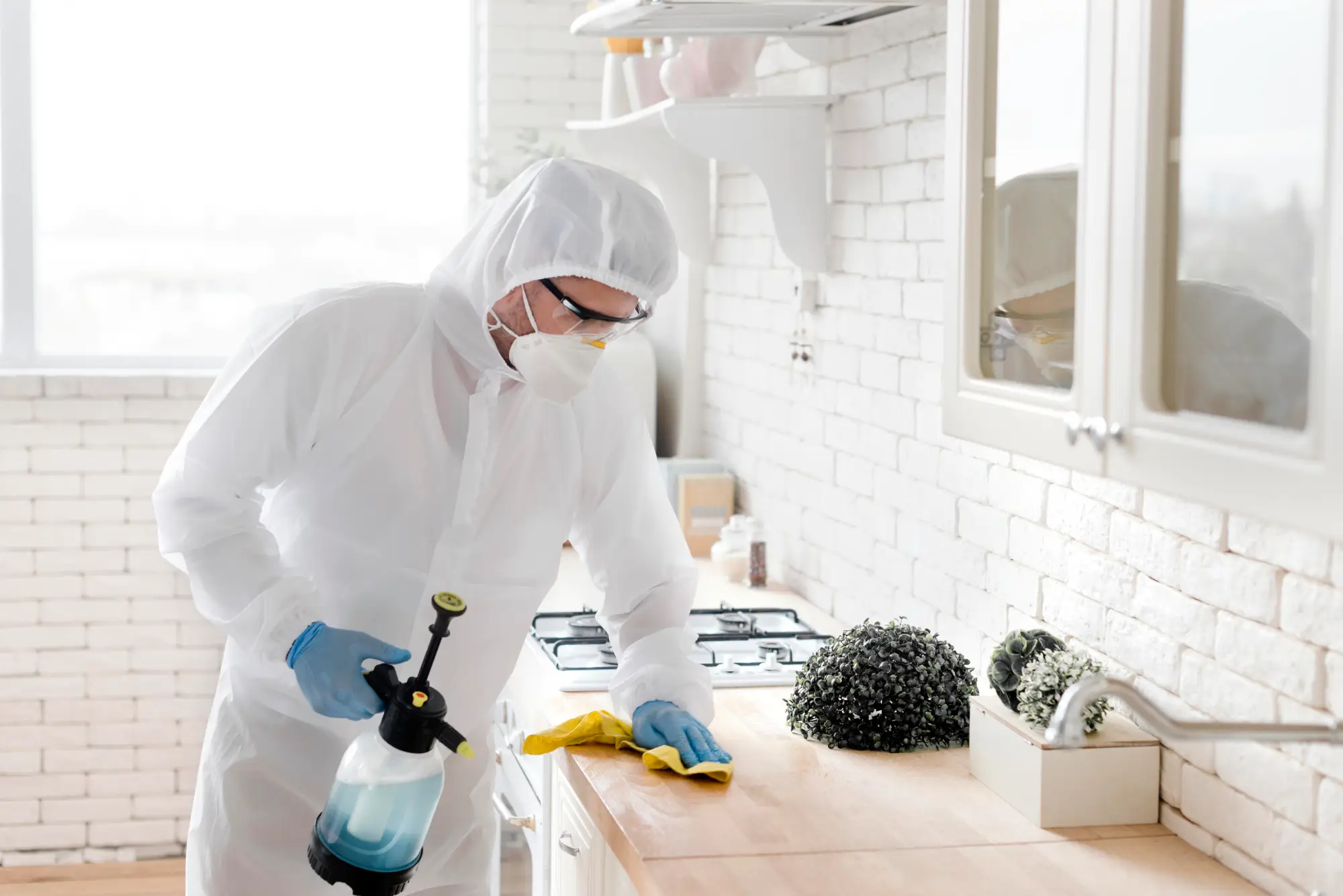
Cockroach, rodent, and bed bug infestations move past nuisance territory once they cause medical harm and may rise to the level of what is considered unsanitary living conditions. Rodent droppings carry hantavirus. Cockroach allergens trigger asthma attacks in children. Bed bug bites cause skin infections, sleep deprivation, and secondary mental health effects documented in pediatric and psychiatric records.
An infestation becomes a legal claim once the tenant reports the problem, the owner fails to respond with reasonable extermination, and a family member develops a documented illness traceable to the pests.
Lead Poisoning and Toxic Exposure Claims
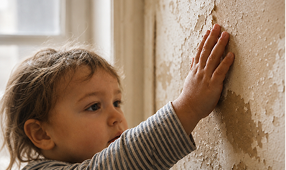
Rentals built before 1978 often contain lead paint on walls, windowsills, and door frames. Flaking paint and lead dust poison children who crawl on the floor and put their hands in their mouths. Even low-level exposure causes developmental delays, attention problems, and long-term cognitive damage that follows a child into adulthood.
Owners who ignore known lead hazards in older buildings face serious liability, and many tenants ask whether they can sue a landlord for lead poisoning. A blood lead test confirming elevated levels, paired with proof of deteriorating paint in the unit, forms the backbone of these cases.
Carbon Monoxide Exposure and Serious Health Risks
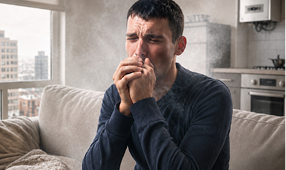
Carbon monoxide leaks from faulty furnaces, broken water heaters, and blocked ventilation cause hundreds of poisonings across California each year. Symptoms range from headaches and dizziness to confusion, loss of consciousness, permanent brain damage, and death.
California requires landlords to install working carbon monoxide detectors in units with gas appliances or attached garages, and tenants should understand when carbon monoxide detectors are required in California. A property owner who skipped the detector, ignored a cracked heat exchanger, or left a ventilation defect unaddressed may be responsible for every medical bill that follows a poisoning incident.
When You Have a Valid Unsafe Living Conditions Case
Three pieces have to fit together. Without all three, even a sympathetic situation will struggle in court.
Proving the Landlord Knew About the Dangerous Condition
Knowledge is the hinge of the case. A landlord cannot fix what they do not know about, so the law requires proof of actual or constructive notice. Actual notice means the tenant told the owner directly, usually in writing. Constructive notice means the condition was obvious enough, or had existed long enough, that a reasonable property manager should have discovered it during routine inspection.
Text messages, emails, certified letters, and maintenance request logs all carry weight. So do city code enforcement reports that predate the injury. A manager who walked past peeling lead paint every month on his way to collect rent will struggle to claim he never noticed.
Showing the Unsafe Condition Caused Injury or Illness
Medical documentation turns a complaint into a claim. A doctor’s note tying the tenant’s injury to the condition at the property, or a pediatrician’s report linking elevated blood lead levels to paint exposure at the unit, provides the causal link courts require.
Without medical proof, damages are hard to calculate and easy for the defense to attack. Early medical attention creates the paper trail that later becomes evidence.
How to Show the Landlord’s Negligence Caused Your Damages
Negligence means the owner’s failure to act reasonably caused the harm. The chain should be visible: the condition existed, the landlord was informed, the landlord did nothing or responded inadequately, and the tenant was hurt. A property owner who sent an unlicensed handyman who made the hazard worse is still on the hook.
For the owner of a four-unit building in Long Beach, repairing a rotted stair within a reasonable window after notice is ordinary property management. Ignoring the complaint for six months until a delivery driver falls through the stair is negligence.
Steps to Sue Your Landlord for Unsafe Living Conditions in California
The process below works for most premises liability and habitability injury cases. Each step builds the record that a judge, jury, or insurance adjuster will eventually weigh.
Step 1: Document the Dangerous Condition and Resulting Harm
Start with photos and video. Capture date-stamped images of the broken stair, the rodent droppings in the kitchen cabinet, the peeling lead paint on the windowsill, or the missing carbon monoxide detector in the hallway. Shoot from multiple angles and include a reference object for scale where useful. If the hazard caused injury, photograph bruises, cuts, burns, or hospital settings.
Keep a written log of dates, incidents, and symptoms that you or your family members developed over time.
Step 2: Notify Your Landlord in Writing About the Hazard
Verbal complaints vanish. A written notice creates a record. Send an email, text message, or certified letter describing the condition, the date you first noticed it, and a direct request for repair. Save copies of everything you send.
If the landlord responds, keep the response. If silence follows, that silence becomes evidence the owner ignored a known problem.
Step 3: Report the Unsafe Condition to Local Authorities
City code enforcement and county health departments inspect rental properties for violations, and this is often part of learning how to report a landlord in California. A formal inspection produces an official report, which carries far more weight in court than a tenant’s photographs alone.
In Los Angeles, the Housing Department handles habitability complaints. Other counties operate similar agencies. Reporting also shields you from retaliation, because California Civil Code Section 1942.5 makes it illegal for a landlord to punish a tenant who complains to a government agency.
Step 4: Gather Evidence Linking the Condition to Your Injury
Medical records, blood test results, pediatric evaluations, and specialist reports tie the harm to the property. Ask your doctor to document the cause of injury in the chart. A note reading “child evaluated for elevated blood lead levels, mother reports deteriorated paint in the apartment” is worth more than a vague entry.
Witness statements from neighbors, roommates, or family members who saw the condition and the injury strengthen the file considerably.
Step 5: Choose the Right Court for Your Unsafe Housing Claim
California offers two main forums for these lawsuits. The choice depends on the size of the claim and the complexity of the case.
Small Claims Court vs Civil Court in California
Small claims court handles disputes up to $12,500 for individuals. No attorneys represent the parties at the hearing, filing fees are modest, and cases move quickly through the docket. Small claims works well for limited property damage or minor medical costs.
Civil court handles larger claims, including serious injury cases, toxic exposure cases, and any matter where damages exceed the small claims cap. The civil process allows full discovery, expert witnesses, and jury trials. Most meaningful unsafe housing lawsuits belong here because the medical and damages picture requires expert testimony to present properly.
Step 6: File Your Lawsuit and Prepare for Court or Settlement
Filing begins with a complaint that names the landlord, describes the condition, explains the resulting harm, and specifies the damages sought. Once served, the landlord has thirty days to respond in most California courts. The majority of these cases never reach trial. Insurance adjusters for the property owner’s liability policy often negotiate a settlement after reviewing medical records, inspection reports, and communication history.
An attorney who handles habitability and premises liability cases will gather expert reports, depose the landlord, pressure the insurer, and push for a settlement that covers the full cost of the injury.
Deadlines to Sue for Unsafe Living Conditions in California
Statutes of limitation cut off the right to sue after a fixed period. Missing the window ends the case, no matter how strong the facts.
How Long You Have to File an Injury or Habitability Claim
California Courts lists a two-year deadline for personal injury claims, while property damage claims generally get three years. Claims against a public housing authority follow a shorter government claims procedure, requiring written notice within six months of the incident.
Toxic exposure cases sometimes involve the delayed discovery rule. If a child is diagnosed with lead poisoning three years after moving out of a contaminated apartment, the clock may start on the date of diagnosis rather than the date of exposure. The rule is fact-specific, so a lawyer’s review is the only reliable way to pin down the actual deadline in your situation. Waiting past the deadline means losing the right to sue regardless of the underlying harm.
What Evidence Proves an Unsafe Living Conditions Lawsuit
Cases are won on evidence, not on outrage. A strong file looks the same whether the matter settles at mediation or goes to a jury.
Photos, Videos, and Official Inspection Reports
Visual documentation shows the condition as it existed at the time of the harm. A city inspector’s report, dated and signed by a code enforcement officer, carries official weight. Together they paint a picture a judge can see without relying on memory or contested testimony.
Medical Records Showing Injury or Illness
Emergency room records, follow-up visits, diagnostic imaging, blood tests, and specialist notes all connect the dots between property and harm. Ask your provider for a complete copy of your chart. In lead cases, request the full pediatric record, including every blood lead level result, growth chart, and developmental assessment.
Written Complaints and Landlord Communications
Every email, text, certified letter, and maintenance request matters. Dates matter most of all. The earlier the complaint, the longer the landlord ignored a known risk, and the weaker the defense that no one knew about the problem. Saved copies beat remembered conversations every time.
What Compensation Can You Recover for Unsafe Living Conditions
Damages in a habitability injury case generally fall into three categories.
Medical Expenses From Injury or Toxic Exposure
Past and future medical costs are recoverable. Hospital bills, ambulance charges, surgery, physical therapy, medication, and long-term care for lead-related developmental issues all count. Expert testimony often projects future treatment costs, especially for children exposed to toxins who will need educational support and monitoring for years.
Pain and Suffering From Unsafe Housing Conditions
Physical pain, emotional distress, anxiety, loss of sleep, and diminished quality of life all qualify for compensation. Unlike medical bills, these damages do not arrive with receipts. Juries assess them based on the severity and duration of the harm, the age of the person affected, and the impact on daily life.
Other Damages Caused by Unsafe Living Conditions
Recoverable damages also include lost wages from missed work, lost earning capacity for long-term disability, property damage to personal belongings, and in egregious cases, punitive damages against a landlord who acted with conscious disregard for tenant safety. Relocation costs and temporary housing expenses also come up when a unit became uninhabitable after an incident and the family had to move on short notice.
When to Talk to a California Habitability Lawyer
Some cases resolve themselves through a straightforward demand letter. Others require a lawyer from day one.
Cases Involving Injury, Illness, or Toxic Exposure
A child with elevated blood lead levels, a tenant hospitalized after a stair collapse, a family with carbon monoxide poisoning from a neglected furnace: each involves complex medical documentation, expert witnesses, and insurance carriers that will fight hard to minimize the payout. Castelblanco Law Group handles exactly these situations and builds cases around injury and health harm, with a focus on the compensation tenants deserve after a property owner’s negligence caused real damage.
A free consultation clarifies whether the facts support a lawsuit and what recovery might look like in a specific matter.
When Unsafe Conditions Lead to More Serious Legal Claims
A rodent infestation that gave your child an asthma diagnosis. A gas leak that sent your spouse to the emergency room. A fall from a rotted deck that fractured your hip. Each situation starts as a habitability problem and becomes a personal injury case the moment documented harm enters the picture.
Early legal advice preserves evidence, meets filing deadlines, and keeps the outcome out of the insurer’s hands.
FAQs About Unsafe Living Conditions Lawsuits
Can I Sue My Landlord for Unsafe Living Conditions That Caused Harm
Yes. California tenants injured or made ill by dangerous conditions a landlord knew about and failed to fix may sue for medical costs and related damages through a civil lawsuit.
What Evidence Do I Need to Prove Injury From Unsafe Conditions
Photos of the hazard, written complaints sent to the landlord, city inspection reports, medical records documenting the injury, and witness statements together build a strong claim in court.
Can I Sue for Lead Poisoning or Carbon Monoxide Exposure
Yes. Both count as toxic exposure caused by landlord negligence. With medical proof of harm and evidence the owner knew about the hazard, tenants recover significant compensation.
Can I Use Small Claims Court for an Unsafe Living Conditions Case
Small claims handles disputes up to $12,500. Serious injury or toxic exposure cases usually exceed that limit and belong in civil court, where expert testimony is allowed.
Get a Free Case Review. No Fees Unless We Win
Tell us what's happening. One of our tenant attorneys will review your situation and get back to you within 24 hours.

Eric Castelblanco,