









Castelblanco Law Group

CALL NOW • AVAILABLE 24/7 • 1-800-375-0001


Castelblanco Law Group
A plumbing failure occurs when part of a rental property’s water or drainage system stops functioning properly. Examples include burst pipes, major leaks, clogged drains, overflowing toilets, broken fixtures, loss of running water, water heater failures, and wastewater backing up into the home.
California rental properties generally must have working plumbing and gas facilities, a water supply capable of providing hot and cold running water, and a connection to an approved sewage disposal system. A lack of running water or unsafe plumbing may also contribute to a property being classified as substandard when the condition threatens occupants’ health or safety.
Not every minor plumbing issue creates a habitability violation. A slowly dripping faucet, for example, is different from a burst pipe, an unusable toilet, or a complete loss of water. The seriousness of the condition usually depends on its extent, duration, health risks, cause, and the landlord’s response after receiving notice.
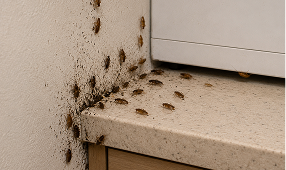
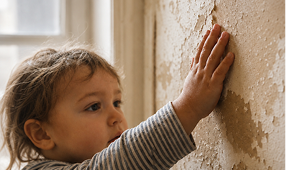
A serious plumbing failure can prevent tenants from cooking, bathing, washing their hands, or using the toilet. Leaks and standing water may also damage personal belongings, weaken building materials, create electrical hazards, and contribute to mold growth or pest activity.
Tenants should notify the landlord or property manager as soon as possible, preferably in writing. The report should describe the problem, when it began, which fixtures or rooms are affected, and whether water is actively spreading.
Helpful evidence may include:
If water is approaching electrical outlets, appliances, or exposed wiring, tenants should avoid the area and contact emergency services when necessary. Sewage backups and contaminated water should not be handled without appropriate protection.
Responsibility may depend on what caused the failure. Landlords are generally responsible for maintaining the property’s plumbing system, but tenants may be responsible for damage caused by misuse, negligence, or items improperly placed into drains.
A tenant may consider speaking with a lawyer when:
Tenants should seek legal advice before withholding rent, arranging major repairs and deducting the cost, or ending the lease. California remedies have specific requirements, and the correct option depends on the circumstances.