










You reported the problem. Maybe you sent a text, filled out a maintenance request, or called the office more than once. Weeks passed. The roaches came back, the water kept coming through the ceiling, or the front door still does not lock properly.
California habitability laws set a minimum standard for rental housing, and they apply whether or not the landlord agrees the condition is serious. This page explains what those laws require, which conditions may support a legal claim, what a tenant generally needs to be able to show, and how to document a problem while you are still living with it.
Not every repair delay becomes a legal case. Some conditions are handled through a written request or a call to a local inspector. Others involve health risks or injuries, and those are the situations where speaking with a slumlord attorney may make sense.
What California Habitability Laws Mean for Tenants
“Habitability” is the legal requirement that rental housing be kept safe and fit to live in. California applies that requirement to essentially every residential tenancy.
The standard covers basic safety and livability rather than the quality or condition of the apartment overall. An outdated kitchen, worn carpet, or a slow-draining sink generally will not fall within it. California habitability laws are built around conditions that affect health and safety.
The Implied Warranty of Habitability
The warranty of habitability is a landlord’s legal duty to provide and maintain basic safe, working, and sanitary living conditions. It is called “implied” because it applies automatically. It does not have to appear anywhere in the lease, and a clause waiving it is generally unenforceable.
California courts have recognized this duty for residential rentals since 1974. Two things about it are worth understanding:
- It continues for the entire tenancy. A unit that was fine at move-in must still be maintained years later.
- It belongs to the landlord or owner. Hiring a management company to handle repairs does not move the responsibility off the owner.
Whether a specific condition breaches that duty depends on facts such as how severe it is, how long it lasted, whether the landlord was told, and how the landlord responded.
What California Civil Code Section 1941.1 Requires Landlords to Maintain
⚖Not sure if you have a case against your landlord?
Castelblanco Law Group has helped tenants recover over $350M in damages.
Get a legal case evaluation from Castelblanco Law Group →California Civil Code Section 1941.1 lists the specific features a rental unit must have to be considered “tenantable,” which is the statutory word for legally livable. If a unit is missing one of these items, or one of them is broken and stays broken, the unit may fail to meet the standard.
The list below describes what the statute requires. Whether any particular failure supports a legal claim is a separate question, and it depends on the facts.
Core Habitability Standards Under Section 1941.1
Effective Weatherproofing and Waterproofing
Roofs, exterior walls, windows, and doors must keep water out. Section 1941.1 also requires unbroken windows and doors. A roof that leaks every time it rains, a window that will not close, or water running down an interior wall are all issues that can prevent a unit from meeting this standard.
Working Plumbing and Gas Facilities
Plumbing and gas facilities must be maintained in good working order and must comply with the applicable law in effect when they were installed. Leaking supply lines, a backed-up drain that will not clear, or a gas connection the utility has red-tagged all fall under this requirement.
Hot and Cold Running Water and Sewage Disposal
A unit must have a water supply capable of producing hot and cold running water, connected to an approved sewage disposal system, and provided with fixtures that work. Water heaters that stop producing hot water and sewage backing up into a tub or sink are covered here.
Working Heating and Electrical Systems
Heating facilities must be maintained in good working order. Electrical lighting, wiring, and equipment must also be maintained and must have complied with the law in effect at installation. Dead outlets, exposed wiring, a breaker that trips whenever more than one appliance runs, or a heater that has not worked through a cold stretch all relate to this section.
Clean and Sanitary Premises Free From Rodents and Vermin
Section 1941.1 requires the building, grounds, and appurtenances to be clean, sanitary, and free from debris, filth, rubbish, garbage, rodents, and vermin at the start of the tenancy, and requires all areas under the landlord’s control to be kept that way on an ongoing basis.
Landlords sometimes read the first part of that provision as ending their responsibility at move-in. It does not work that way in practice. Civil Code Section 1941 separately requires a landlord to repair dilapidations during the tenancy, and the implied warranty of habitability applies for as long as the tenant lives there. A unit that was clean at move-in and is overrun two years later can still fall below the standard.
Questions about landlord responsibility for pest control often turn on this provision when cockroaches, bed bugs, or rodents are involved. Bed bugs are also covered by separate rules in Civil Code Sections 1954.600 and following, which restrict renting a unit the landlord knows is infested and require notice about inspection and treatment.
Garbage and Rubbish Receptacles
The unit must have an adequate number of appropriate garbage and rubbish receptacles, in clean condition and good repair at the start of the tenancy. The landlord must supply serviceable receptacles after that and stays responsible for the condition of the ones under their control. Overflowing dumpsters and missing bin lids can feed the pest problems described above.
Floors, Stairways, and Railings in Good Repair
Floors, stairways, and railings must be maintained in good repair. Loose treads, a missing balcony railing, a soft or collapsing section of floor, and a broken handrail on a shared staircase are conditions that can cause serious injuries, and they come up frequently in habitability and premises liability matters.
New 2026 Stove and Refrigerator Requirements for Covered Leases
Assembly Bill 628 amended Section 1941.1 and added two appliances to the habitability list, effective January 1, 2026. A covered unit must include a stove maintained in good working order and capable of safely generating heat for cooking, and a refrigerator maintained in good working order and capable of safely storing food.
The requirement has several limits:
- The requirement applies to leases entered into, amended, renewed, or extended on or after January 1, 2026. An existing lease that simply continues unchanged is generally not covered until it is renewed or modified.
- A tenant and landlord may agree in writing at signing that the tenant will supply their own refrigerator, and the lease must say the tenant is responsible for keeping it working. A tenant who later wants the landlord to provide one can give 30 days’ written notice.
- If a stove or refrigerator is recalled by the manufacturer or a government agency, the landlord must repair or replace it within 30 days of receiving notice of the recall.
- Certain housing types are excluded, including permanent supportive housing, single-room occupancy units, units in residential hotels, and units in shared or communal kitchen facilities.
Other California Health and Safety Requirements That May Apply
Section 1941.1 is not the only source of habitability standards. Other California laws add requirements that can matter in the same apartment.
Smoke and Carbon Monoxide Detector Requirements
Health and Safety Code Section 13113.7 requires operable smoke alarms in residential rental units. The owner is generally responsible for installing them and for repairing or replacing an alarm after being notified that it does not work, and the tenant is generally expected to report a problem.
Carbon monoxide detectors are separately required under Health and Safety Code Section 17926 in dwelling units that have a fossil fuel burning appliance, a fireplace, or an attached garage. A missing or dead detector in a unit with a gas furnace, gas stove, or gas water heater removes the only warning a household would get.
Substandard Building Conditions Under the California Health and Safety Code
Health and Safety Code Section 17920.3 defines when a building is legally “substandard.” The list is broader than Section 1941.1 and includes inadequate sanitation, structural hazards, faulty weather protection, hazardous wiring and plumbing, and infestations of insects, vermin, or rodents.
Local code enforcement inspectors apply this definition when they come out to a property. An inspection finding that cites Section 17920.3 conditions can become useful documentation later, which is one reason many tenants request an inspection.
Serious Rental Conditions That May Support a Habitability Claim
The conditions below come up most often in habitability matters that involve health risks or injuries. A condition on this list does not automatically create a claim. A review generally looks at how serious the condition was, whether the landlord knew about it, and whether anyone was harmed.
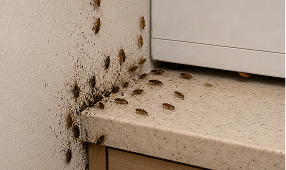
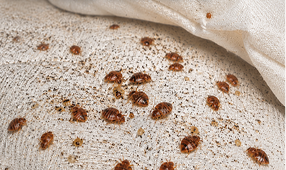
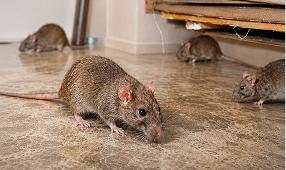
Recurring Cockroach, Bed Bug, and Rodent Infestations
A single pest sighting is usually handled with routine treatment. Cockroaches that return within weeks of every spray, bed bugs that spread from unit to unit, or rats and mice moving through walls and cabinets can indicate that the source of the problem has never been addressed.
Recurring infestations can create unsanitary living conditions that affect a family’s health, contaminate food and belongings, and make an apartment difficult to live in. Cockroach allergens are a recognized asthma trigger, particularly for children, according to the U.S. Environmental Protection Agency. Bed bug bites can cause skin reactions and lost sleep, and treatment often requires discarding furniture and clothing.
When neighbors report the same problem, that pattern can support the argument that treating one unit at a time was never likely to solve it. Building-wide infestations often trace back to a source in shared walls, plumbing chases, or trash areas.
Lead Exposure
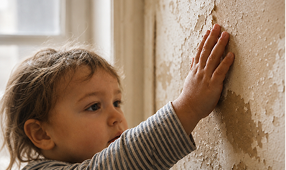
Lead-based paint was banned for residential use in 1978, and buildings older than that may still contain it. Deteriorating paint, dust from windows and doors that rub as they open, and renovation work done without proper containment are common exposure routes.
The Centers for Disease Control and Prevention reports that no safe blood lead level in children has been identified, and that lead exposure can affect a child’s brain development, attention, and learning. Children under six are at higher risk because of how their bodies absorb lead and how often they put hands and objects in their mouths.
Federal law requires landlords to disclose known lead-based paint and hazards in most housing built before 1978 and to provide an EPA-approved pamphlet. A landlord who was told that paint was peeling in a unit with young children, and who did not address it, may face questions about landlord liability for lead poisoning.
Carbon Monoxide Hazards
Carbon monoxide is produced by gas appliances, furnaces, water heaters, fireplaces, and vehicles running in an attached garage. It cannot be seen or smelled. The CDC describes symptoms that can include headache, dizziness, weakness, nausea, confusion, and chest pain, and notes that these symptoms are often mistaken for the flu.
Cracked heat exchangers, blocked or disconnected vents, unpermitted appliance installations, and missing detectors are the conditions that most often come up. Anyone who suspects carbon monoxide in a unit should get outside and call 911 first. Legal questions can be handled afterward.
Dangerous Structural Conditions
Balconies, stairs, walkways, decks, and railings fail when they are not inspected and maintained. Water intrusion over years can rot framing that looks solid from the outside. A stairway with a loose tread or a balcony with a rail that gives way can cause a fall serious enough to require hospitalization.
Injuries from these conditions often involve both habitability law and premises liability, because the same failure to maintain the property caused the harm.
Broken Locks and Entry Points That Create Safety Risks
California Civil Code Section 1941.3 requires landlords to install and maintain specific security features, including a deadbolt lock on the main entry door of most units and operable locking devices on windows designed to open. Related requirements cover locks on other exterior doors.
A broken lock, a gate that has been propped open for months, an exterior door that no longer latches, or lighting that has been out in a parking area can create a real safety risk. Where a landlord knew about the problem and a tenant or guest was assaulted or injured as a result, the conditions may raise questions about the property owner’s responsibility.
What May Need to Be Shown in a California Habitability Claim
A habitability claim generally involves several factors rather than a single fact. The sections below describe the ones that come up most often. An attorney reviewing a matter will usually look at all of them together.
The Landlord Knew or Should Have Known About the Problem
The landlord’s knowledge is usually where a review starts. Knowledge can come from a written repair request, a text message, an email, a call logged by the management office, a code enforcement notice, or complaints from other tenants in the building.
Some conditions are obvious enough that a landlord should have known without being told. A collapsing stairway in a common area or a building-wide infestation that neighbors have reported for months can fall into that category. Written notice still helps, because it records the date the landlord was told.
The Conditions Were Serious Enough to Affect Habitability
A condition generally has to be more than a nuisance. A review looks at whether it affected health, safety, or the basic ability to live in the unit, measured against the standards in Section 1941.1 and the Health and Safety Code.
Severity, duration, and the number of affected areas all factor in. A pest problem in one cabinet is different from an infestation that reaches bedrooms, kitchens, and clothing. A leak that stained one ceiling tile is different from water that ran through a unit for a year.
The Landlord Had a Reasonable Opportunity to Make Repairs
Landlords are entitled to a fair chance to fix a problem after being notified. What matters is what the landlord actually did during that window. A landlord who scheduled a vendor within days will be treated differently from one who did not respond for six weeks.
The tenant’s side of this comes up as well. A tenant who was available for access appointments and let workers in has a cleaner record than one who repeatedly turned them away.
Whether the Unsafe Conditions Continued or Returned
Repeated temporary repairs can be as significant as no repairs at all. A drain snaked five times, a patch of ceiling painted over after each leak, or quarterly spraying that never reaches the source may show that the underlying problem was never fixed.
Keep dates. A record showing the same condition reported in January, April, July, and October tells a clearer story than a general statement that the problem kept coming back.
How to Document Habitability Problems
Start documenting now, even if you have not decided whether to talk to anyone about legal options. Records created while the condition still exists are harder to dispute later.
Photographs and Videos of Unsafe Conditions
Photograph the condition itself and enough of the surrounding area to show where it is in the unit. Video helps for problems that photos flatten, such as water actively coming through a ceiling, a heater that will not turn on, or roaches scattering when a light goes on at night.
Keep the original files with their timestamps rather than screenshots or forwarded copies, and back them up somewhere outside the phone.
Medical Records and Documentation of Related Harm
If anyone in the household has been treated for something you believe is connected to the apartment, keep the records. Emergency room paperwork, pediatric visits, blood lead test results, asthma treatment records, prescriptions, and photographs of bites or rashes can all matter.
Tell the treating provider about the housing conditions so the information appears in the chart. Whether a condition caused a particular illness is a medical question, and it needs to be assessed by a physician rather than assumed.
Repair Requests and Communications With the Landlord
Save every text, email, tenant portal ticket, and letter, in both directions. If a request was made by phone or in person, follow up in writing with a short note confirming what you reported and when.
A written request also starts the clock on the landlord’s opportunity to respond.
Inspection Reports and Code Enforcement Records
A local code enforcement or housing department inspection produces an independent record of what an inspector observed. Request a copy of the report and any notice of violation issued to the owner.
Pest control invoices, contractor reports, and work orders from the management company can also be useful, and some of these may be obtainable later through a formal request.
Witness Statements and Other Supporting Evidence
Neighbors reporting the same problem can help establish that a condition was building-wide and known to management. Ask whether they would be willing to describe what they experienced and reported.
Other useful items include rent receipts, the lease and any addenda, disclosures received at move-in, receipts for items you had to replace or discard, and hotel or laundry receipts if the conditions forced you out or added costs.
Why Preserving Evidence Matters
Units get repaired, tenants move, phones are replaced, and management companies change hands. A photograph taken today may not be available in a year.
Organize what you have by date. A simple folder with dated photos and a chronological log of what was reported and when is more useful than a large collection of files with no order to them.
How Long Does a Landlord Have to Make Habitability Repairs?
California law does not set a single deadline for every repair. The general standard is a reasonable time after the landlord receives notice, and what counts as reasonable depends on the condition.
What Is Considered a Reasonable Time to Repair?
Under Civil Code Section 1942, a tenant who acts to repair and deduct after the 30th day following notice is presumed to have waited a reasonable time. That 30-day presumption is where the commonly repeated “30 days” figure comes from, and it can be rebutted.
Thirty days is not a safe harbor for every condition. Courts look at how dangerous the problem is, how difficult the repair is, and whether the landlord made any real effort in the meantime. A serious condition can require a much faster response.
Emergency vs. Non-Emergency Repairs
Some conditions call for immediate action, including a suspected gas leak, a carbon monoxide alarm going off, no heat in cold weather, sewage backing up into the unit, a total loss of water, exposed live wiring, and structural failures such as a collapsing stair or balcony. These generally need to be addressed within hours or a day or two, not weeks.
Non-emergency repairs allow a longer window. A loose cabinet door or a slow-draining sink that is not backing up is not in the same category. Report those in writing as well, and note in the request how urgent the problem is.
What to Do When Your Landlord Will Not Fix Unsafe Conditions
The steps below are general information about options California law provides. Which of them fits a particular situation depends on the facts, the lease, and local ordinances.
Notify Your Landlord in Writing
Put the request in writing even if you already called. Describe the condition specifically, say where it is in the unit, note when it started, mention any prior reports, and ask for a repair date. Keep it factual.
Send it in a way that creates a record, such as email, the tenant portal, or certified mail with return receipt. Keep a copy of what you sent and any response.
Report Serious Violations to Local Authorities
Local code enforcement, building departments, and county health departments inspect rental housing and issue notices of violation to owners. Requesting an inspection is often free, though fees vary by city, and the resulting report is an independent record of the conditions.
In many cities the housing or code enforcement division handles habitability complaints. Ask what documentation to bring and request a copy of the inspector’s report afterward.
Understand Repair and Deduct Under Civil Code Section 1942
Section 1942 creates a repair-and-deduct remedy that allows a tenant, in limited circumstances, to pay for a repair and deduct the cost from rent. The remedy comes with strict limits:
- The condition must be one that makes the premises untenantable and that the landlord ought to repair.
- The landlord must have received notice and failed to repair within a reasonable time.
- The cost cannot exceed one month’s rent.
- The remedy cannot be used more than twice in any 12-month period.
- It is not available where the tenant caused the condition, under Civil Code Sections 1929 and 1941.2.
Tenants who deduct rent without meeting these requirements can end up facing a nonpayment notice, so it is worth confirming the requirements before using this option. Section 1942 also gives a tenant the alternative of vacating the premises, which discharges further rent obligations as of the date of vacating.
Know Your Protection Against Retaliation Under Civil Code Section 1942.5
Civil Code Section 1942.5 limits what a landlord can do after a tenant exercises certain rights, including complaining about habitability conditions to the landlord or to a public agency. Covered landlord conduct includes raising rent, reducing services, and attempting to recover possession for a retaliatory reason.
The statute sets a 180-day period during which those protections apply following the tenant’s protected activity. A landlord may still be able to show a lawful, non-retaliatory reason for an action taken during that period, so the protection is not absolute. Write down the date you reported the condition and the date of anything that followed, in case retaliation becomes an issue.
When to Speak With a Habitability Attorney
Not every repair dispute needs an attorney. A conversation may be worth having when the conditions are serious and one or more of these applies:
- Someone in the household was injured or became ill and the conditions may be connected.
- A child has been exposed to lead or has an elevated blood lead level.
- Anyone was treated for carbon monoxide exposure.
- An infestation has continued through repeated treatments over months.
- A stairway, balcony, railing, or walkway failed and caused a fall.
- Broken locks, entry points, or lighting were reported and someone was assaulted or injured.
- The landlord has received written notice repeatedly and the condition remains.
Castelblanco Law Group focuses on serious habitability matters involving unsafe rental conditions in California, including infestations, lead and carbon monoxide exposure, and injuries connected to dangerous property conditions.
You do not have to keep handling this alone. Tell our team what is happening in your apartment. We can review the facts, explain whether the matter falls within our practice, and discuss possible next steps in English or Spanish.
Frequently Asked Questions
How Long Does a Landlord Have to Make Habitability Repairs in California?
California requires repairs within a reasonable time after notice. Civil Code Section 1942 presumes 30 days is reasonable for repair and deduct, but serious conditions generally require a faster response.
Who Is Responsible for Pest Infestations in California Rentals?
Landlords must generally keep rental property free from rodents and vermin under Civil Code Section 1941.1. Responsibility can shift where a tenant substantially caused the condition or blocked treatment.
Can I Have a Habitability Claim if the Landlord Made Temporary Repairs but the Problem Returned?
Possibly. Repairs that never fix the underlying cause may still not meet the legal standard. Dated records of each report, repair attempt, and recurrence help show the pattern.
Can I Bring a Habitability Claim While I Still Live in the Apartment?
Yes. Tenants are not required to move out first, and Civil Code Section 1942.5 limits retaliation after a tenant reports conditions. An attorney can review your specific situation.
Do I Need an Inspection Report Before Speaking With a Habitability Attorney?
No. An inspection report helps but is not required. Photographs, written repair requests, and medical records are often enough for an initial review.
Get a Free Case Review. No Fees Unless We Win
Tell us what's happening. One of our tenant attorneys will review your situation and get back to you within 24 hours.

Eric Castelblanco, Attorney/Founder
Eric Castelblanco, founder and managing attorney of Castelblanco Law Group, APLC, has championed tenants' rights for over two decades and has secured over $350 million in verdicts and settlements.
Castelblanoc Law also specializes in every aspect of personal injury accident cases, deliveri...