








Castelblanco Law Group

CALL NOW • AVAILABLE 24/7 • 1-800-375-0001


Castelblanco Law Group
“No heat” describes a rental property where the permanent heating system does not work, is unsafe to operate, or cannot provide adequate warmth. Examples may include a broken furnace, defective wall heater, disconnected gas line, electrical failure, malfunctioning thermostat, or landlord-controlled heating system that has not been turned on.
Under California Civil Code Section 1941.1, heating facilities must be maintained in good working order. California law also identifies a lack of adequate heating as a condition that may make a building substandard when it endangers occupants’ health, safety, or welfare.
A brief outage does not necessarily establish a legal violation. The seriousness of the problem may depend on the weather, indoor temperature, length of the outage, health of the occupants, cause of the failure, notice provided to the landlord, and how quickly the landlord responds.
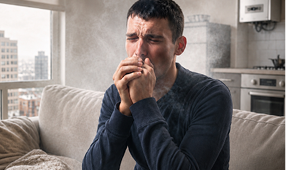
A home without adequate heat can become dangerous, particularly for children, older adults, and people with medical conditions. Severe cold may also contribute to frozen pipes, moisture problems, and damage to personal property.
Tenants should report a heating failure to the landlord or property manager immediately, preferably in writing. A report should identify the unit, describe what is happening, and state when the problem began. Useful evidence may include:
Tenants should provide reasonable access for lawful inspections and repairs. They should not use a stove, oven, outdoor grill, or generator to heat the home because these devices can create fire and carbon monoxide risks. If there is a gas odor, suspected carbon monoxide exposure, or another immediate danger, occupants should leave the property and contact emergency services or the utility provider.
Responsibility may depend on the cause. A landlord may be responsible for maintaining landlord-provided heating equipment, while damage caused by a tenant or an interruption resulting from the tenant’s unpaid utility bill may require a different analysis.
A tenant may consider speaking with a lawyer when:
Tenants should seek legal advice before withholding rent, paying for major repairs and deducting the cost, or ending the tenancy. These remedies have specific requirements, and using them incorrectly may create additional legal problems.