



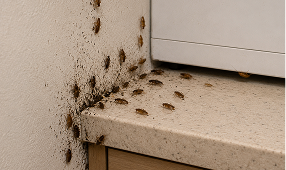
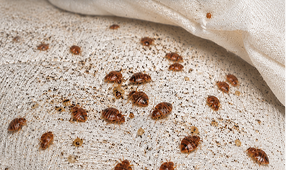
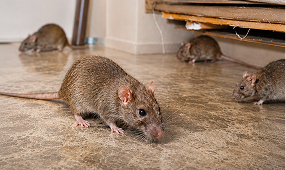
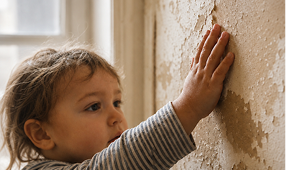

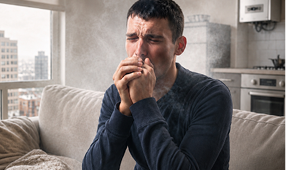








For renters, a cockroach infestation can be especially frustrating when the insects keep coming back despite cleaning and basic prevention. The source may be beyond one apartment, requiring repairs or coordinated treatment. Alongside the visible problem, tenants need to understand what ongoing exposure can mean for their health. This guide explains the main health concerns, how to reduce exposure, and what California renters can do about a persistent infestation.
Health risks at a glance: Cockroach droppings, saliva, and shed skin can trigger allergies or worsen asthma in sensitive people. Roaches can also contaminate food and household surfaces with microorganisms, potentially spreading disease. However, health effects depend on exposure and individual susceptibility.
If your landlord has been notified but the roaches keep coming back, seeking legal help for serious cockroach infestations can give you a clearer understanding of your rights and options.
Are Cockroach Infestations Dangerous to Your Health?
They can be, but it depends on the situation. Seeing a few cockroaches does not mean you will get sick, and the risk tends to be higher for people with asthma or allergies. Other factors include how long you are exposed, how severe the infestation is, and how sensitive each person is to cockroach allergens.
A persistent infestation deserves attention. When roaches keep coming back, allergens and contamination can build up in the places where you cook, sleep, and raise your family. A doctor can assess your symptoms, and there are practical steps you can take to limit your exposure while you look for a lasting fix.
What Health Problems Can Cockroaches Cause?
⚖Not sure if you have a case against your landlord?
Castelblanco Law Group has helped tenants recover over $350M in damages.
Get a legal case evaluation from Castelblanco Law Group →Researchers and public health agencies point to three main concerns: allergies and asthma, contamination of food and surfaces, and possible disease transmission. Allergies and asthma are the best-established health concerns, while determining whether cockroaches caused an infectious illness is more difficult.
Cockroach health risk comparison
| Health concern | Exposure pathway | Possible effects | Important qualification |
| Allergies and asthma | Breathing in or touching cockroach allergens from droppings, saliva, and shed skin | Allergic and respiratory symptoms, including worsening asthma | Sensitivity and exposure vary from person to person |
| Food contamination | Contact with food, dishes, and kitchen surfaces that roaches have crossed | Potential exposure to microorganisms | Contamination does not prove that someone became ill |
| Disease transmission | Possible carriage of pathogens on the body or in droppings | Potential infectious exposure | Carrying a pathogen does not establish that it was transmitted to a person |
Cockroach Allergies and Asthma Attacks
Cockroach allergens are proteins found in droppings, saliva, and shed body parts. In people who are sensitive to them, breathing in or touching these proteins can cause allergic reactions and make asthma symptoms worse. The EPA’s list of common indoor asthma triggers includes cockroach and pest allergens and notes that they likely play a significant role in asthma in many urban areas.
Repeated exposure matters. When an infestation stays unresolved for months, allergens can settle into household dust and keep irritating the airways of people who are sensitive to them. That does not mean everyone who lives with roaches will develop asthma or allergies. Many people never have a reaction.
Reactions range from mild nose and eye irritation to asthma flare-ups that make breathing difficult. For a child or adult who already has asthma, ongoing indoor exposure can make symptoms worse.
Food Contamination and Potential Illness
Cockroaches forage in drains, trash, and wall voids, then move across countertops, dishes, and open food. As they travel, they can leave droppings and spread microorganisms onto food, cookware, and kitchen surfaces. Cabinets, pantries, and other places where food is stored are common trouble spots, especially when crumbs or spills give roaches a steady food source.
Contamination is not the same as infection. Finding signs of roaches on a surface does not mean anyone has become sick. Still, contact with contaminated food or surfaces is a possible route of microbial exposure, which is why safe food handling matters in any kitchen with active roaches. Storing food securely and cleaning surfaces before you prepare meals are simple ways to reduce that risk.
Can Cockroaches Transmit Diseases?
They can carry germs, but that is not proof they made someone sick. Cockroaches can carry microorganisms on their bodies or in their digestive tracts and spread them to food and surfaces as they move around your home. Establishing that this contamination actually caused someone’s illness is a separate matter.
NIH-funded Purdue University research on Salmonella in German cockroaches suggests the bacteria can spread through droppings that reach food or food-preparation surfaces, and scientists are still studying what that means for human illness.
For tenants, the practical takeaway is to treat roaches as a real source of exposure and to ask a doctor about any symptoms rather than assume a cause.
How Cockroach Exposure Happens in Rental Homes
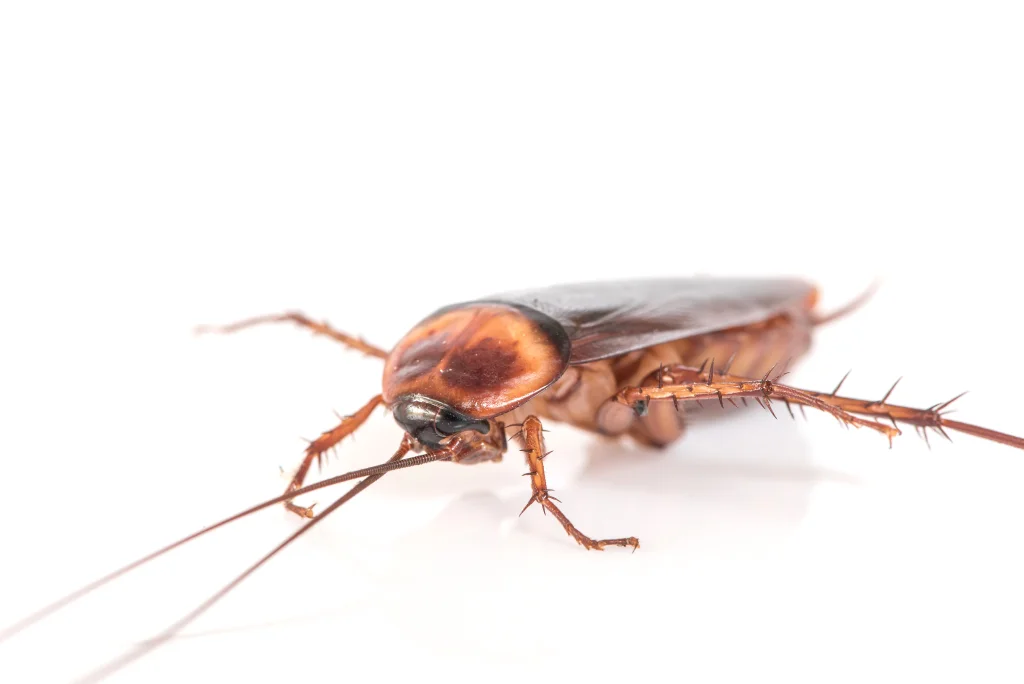
In rental homes, exposure to cockroach allergens can occur through contact with droppings, saliva, and shed skin. Over time, these particles settle into household dust, carpeting, and other materials. German cockroaches, the most common indoor species in California, tend to gather in kitchens and bathrooms, so droppings and shed skin often build up there. University of California Pest Notes on cockroaches explain that allergen levels rise with the size of an infestation and with conditions like housing disrepair, and that tiny bits of shed skin and droppings can become airborne and be inhaled.
Exposure can continue even when you rarely see a live cockroach, because most roaches are active at night and the allergen-containing particles they leave behind can remain in dust and materials. This is different from food contamination, which happens when roaches reach food, dishes, or the surfaces where you prepare meals. Common exposure points in rental homes include:
- Dust in carpeting and other household materials.
- Residues inside kitchen cabinets and food-storage areas.
- Contamination on countertops and other food-preparation surfaces.
Symptoms of Cockroach Exposure and Who Is Most at Risk
Sneezing, coughing, or wheezing can have many sources, and a medical assessment may be needed to sort them out. Still, knowing what to watch for, and who is more vulnerable, can help you decide when to get care.
Common Allergy and Asthma Symptoms
Cockroach allergens may be linked to sneezing, congestion, a runny nose, itchy or watery eyes, coughing, wheezing, chest tightness, and worsening asthma. In someone with asthma, these symptoms may show up as more frequent or more intense flare-ups. Many of these symptoms have other possible causes, including colds, pollen, mold, and dust mites, so symptoms alone cannot tell you whether cockroaches are making you sick.
Writing down when and where symptoms flare, and sharing that with your doctor, can help sort out possible triggers. If your doctor thinks it is worthwhile, an allergist can test for specific allergies, including cockroach allergy.
Children and People With Respiratory Conditions
People with asthma, cockroach allergies, or other respiratory sensitivities may have a harder time with exposure, because allergens can irritate airways that are already sensitive. Research has linked cockroach allergen exposure to asthma problems in children in some urban and multi-unit housing, but that does not mean every child in an infested home will be affected.
Watch for a lingering cough, wheezing, or breathing trouble that interrupts sleep or play. If your child has asthma or frequent breathing problems, tell their pediatrician about the roaches in your home.
When to Seek Medical Attention
See a doctor if breathing symptoms keep returning, wake you or your child at night, or seem to be getting worse. A clinician can evaluate your symptoms and discuss treatment.
Some symptoms are emergencies. Call 911 or your local emergency number right away if someone has trouble walking or talking because it is so hard to breathe, blue or gray lips or fingernails, or confusion or being less responsive than usual, as listed in MedlinePlus’s guide to asthma attack danger signs. Do not wait to see whether it passes.
How Tenants Can Reduce Cockroach-Related Health Risks
If the infestation extends beyond your apartment, cleaning and treating your own space may not solve the problem. You can, however, take steps to reduce exposure while you wait for repairs or treatment. Start with food, cleaning, and safe pest control, and know when the problem is bigger than your unit.
Protect Food and Clean Affected Areas Safely
Keep food, including pet food, in sealed containers, and put trash in bins with tight lids. Wipe counters and sinks each night, sweep up crumbs, avoid leaving dishes or food out overnight, and report leaks to your landlord, since roaches need food and water. Wash dishes, utensils, and surfaces that roaches may have touched with hot, soapy water before using them. If you think roaches have reached open food, throw it away.
Penn State Extension’s guide to preventing roaches at home covers these same basics: sealed food, prompt cleanup of crumbs and spills, and no standing water. These steps may reduce exposure, but they cannot always resolve an established infestation, especially when roaches are coming through walls, pipes, or from neighboring units.
Reduce Allergens and Avoid Unsafe Pesticide Use
To reduce leftover allergens, vacuum cracks, carpets, and corners regularly, using a HEPA-filter vacuum if you have one, and seal the bag before throwing it away. Damp-wipe hard surfaces instead of dry dusting, which can stir particles back into the air. Clean up visible droppings, dead roaches, and egg cases, because leftover debris can attract more roaches.
Be careful with pesticides. Read the label and follow it exactly, keep children and pets away from treated areas, and never mix pesticides or cleaning products. Skip homemade chemical treatments. Some sprays can chase roaches into other rooms or neighboring apartments instead of killing them. For more, see cockroach control tips from the National Pesticide Information Center, which suggests trying integrated pest management first and reading the label before using any pesticide.
When Cockroaches Keep Returning in Rental Buildings
If the roaches keep coming back, the cause may be bigger than your kitchen. Roaches can travel between apartments through shared walls, pipes, and gaps, so treating one unit may not be enough. Lasting control may require professional treatment, repairs to cracks and leaks, and coordinated work across the building. A licensed pest control professional can often identify entry points and treatment gaps that are hard for tenants to see.
Tenants usually cannot repair shared structural conditions or order building-wide treatment on their own. Understanding landlord responsibilities for pest control can help you decide what to ask for next.
What California Tenants Can Do About Persistent Infestations
A persistent infestation can raise habitability concerns. “Habitability” is the legal requirement that rental housing be kept safe and fit to live in. Under California’s rental habitability requirements, landlords have a duty to maintain livable rental homes. Whether an infestation supports a legal claim depends on factors such as its severity, how long it has continued, what your landlord knew, how they responded, and how the conditions have affected your family.
Not every infestation amounts to a legal violation or supports compensation. The California Department of Real Estate’s landlord and tenant guide identifies sanitation and pest-free conditions among California’s habitability standards. Tenants also have responsibilities, such as keeping their homes reasonably clean and sanitary. This can affect a landlord’s repair obligations if a tenant’s serious failure to meet those responsibilities substantially contributes to the problem or prevents necessary repairs.
Written notice matters because it creates a record of what you reported and when. Our guide on how to notify your landlord about roaches explains what information to include and how to make your request clear.
What to document
- Photos or videos of cockroaches and affected areas.
- Dates, locations, and how often you see activity.
- Written complaints and every landlord response.
- Treatment records, maintenance visits, and repeat problems.
- Medical records related to your symptoms, if you have them.
Records can help show what happened. On their own, they do not prove what caused a medical condition, that a landlord is liable, or that you are entitled to damages.
When a Persistent Infestation May Warrant Legal Advice
If you’re dealing with a serious or recurring infestation, especially one your landlord has failed to address, it may be time to speak with an attorney. You can seek legal guidance even if you haven’t gathered all the documentation yet.
Castelblanco Law Group focuses on serious habitability matters for California tenants, including cockroach infestations. We can review the facts and explain whether your situation falls within our practice. Not every infestation leads to a lawsuit, and symptoms alone do not prove negligence.
Frequently Asked Questions About Cockroach Health Risks
Is It Safe to Live in a Roach-Infested House?
It depends on the severity of the infestation, how long you have been exposed, and whether anyone in your household has asthma or allergies. Even a relatively small infestation can trigger symptoms in sensitive individuals, so it’s worth addressing the problem early, especially if the roaches keep returning.
How Likely Are You to Get Sick From Cockroaches?
That cannot be reliably predicted without knowing your circumstances. Allergic effects are the best-established concern, and they vary by person. Infectious illness from cockroaches is harder to prove. A doctor can evaluate any symptoms you have.
Can Cockroaches Make You Sick Without Biting You?
Yes. Cockroach-related health concerns come mainly from allergens and contamination, not bites. Allergens from droppings, saliva, and shed skin can affect breathing, and roaches can contaminate food and the surfaces where you prepare it.
Can Allergens Remain After Cockroaches Are Eliminated?
Yes. Allergen residues can remain in household dust and materials such as carpeting after cockroach activity has stopped. Regular cleaning can help, and a doctor can advise anyone with asthma or allergies.
What if My Landlord Ignores the Infestation?
Keep documenting the problem, notify your landlord in writing, and follow up if the infestation continues. Serious or recurring conditions may warrant legal advice, even without a diagnosed illness. An attorney can assess your circumstances and explain your options under California law.
Get a Free Case Review. No Fees Unless We Win
Tell us what's happening. One of our tenant attorneys will review your situation and get back to you within 24 hours.

Eric Castelblanco,