








Castelblanco Law Group

CALL NOW • AVAILABLE 24/7 • 1-800-375-0001


Castelblanco Law Group
Water damage is physical damage to a rental property caused by unwanted or uncontrolled water. It may develop suddenly or gradually from:
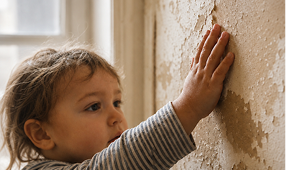
Possible signs include water stains, bubbling paint, warped flooring, damp drywall, musty odors, standing water, ceiling damage, and visible mold.
Not every water stain makes a rental legally uninhabitable. The severity, duration, source, affected area, resulting hazards, and landlord’s response after receiving notice are all relevant.
Unresolved water damage can affect more than the property’s appearance. It may damage walls, ceilings, flooring, personal belongings, electrical systems, and the building’s structure. Persistent moisture can also create damp conditions that support mold growth.
Under California Civil Code Section 1941.1, rental housing must have effective weather protection and properly maintained plumbing facilities. Serious leaks, flooding, loss of running water, or related hazards may therefore raise habitability concerns.
The California Department of Public Health also provides information for renters living in damp or mold-affected dwellings.
Tenants should report leaks and water damage promptly in writing. If it is safe to do so, they should photograph or record the affected areas before cleanup and document how the condition changes over time. Tenants should also cooperate with lawful access requests for inspection and repair.
When standing water is near electrical outlets, ceilings appear ready to collapse, or sewage is present, tenants should avoid the affected area and contact emergency maintenance or the appropriate emergency service.
A tenant may want to consult a California habitability lawyer when:
Responsibility depends on the cause of the damage. A landlord may be responsible when the condition results from defective plumbing, structural problems, inadequate maintenance, or failure to respond reasonably after notice. A tenant may be responsible if the damage resulted from misuse, negligence, or failure to report a known leak.
Useful evidence includes photographs, videos, written repair requests, maintenance records, inspection reports, medical documentation, damaged-property inventories, temporary housing receipts, and statements from neighbors.