











Roaches in a rental unit go beyond an unpleasant surprise. A serious infestation triggers allergic reactions, contaminates food, spreads bacteria across every surface the insects cross, and turns daily life into a health hazard. California tenants facing this problem often ask one question first: do I still have to pay rent, and when is it time to seek legal help for a serious roach infestation?
The short answer is complicated. State law gives renters some protection when a unit falls below basic habitability standards, but stopping rent payments the wrong way carries real consequences. The guide below covers what California law allows, the options tenants actually have, the risks of acting without legal footing, and when a severe infestation crosses into territory that supports a claim for compensation.
Can You Legally Withhold Rent for Roaches?
California law gives tenants legal tools to respond when a landlord fails to maintain basic habitability standards in California. Rent withholding is one of those tools, though the rules are narrow and heavily scrutinized by courts. A renter who stops paying without following the correct process risks losing the right to raise the infestation as a defense later, and may face eviction on top of it.
The California Warranty of Habitability Explained
Every residential lease in California includes an implied warranty of habitability. The warranty requires landlords to keep rental units fit for human occupancy. Civil Code Section 1941.1 sets out the baseline: working plumbing, weatherproofing, safe electrical systems, adequate trash receptacles, and units free from vermin and pests at the start of tenancy.
A landlord who ignores serious pest problems, including roach infestations that threaten health, violates the warranty. The violation opens specific legal remedies for tenants. A building overrun with roaches is not legally considered a livable home, and California courts have sided with tenants in cases where the infestation was severe, persistent, and well-documented.
Local housing codes often add further requirements. Cities like Los Angeles, San Francisco, and Oakland maintain their own enforcement agencies that inspect units and issue citations. A code citation for pest infestation strengthens a tenant’s position considerably.
Are Roaches a Valid Reason to Withhold Rent?
Roaches alone rarely justify a complete rent strike. California courts look at severity, duration, and landlord response. A few sightings after moving in do not meet the legal threshold. A documented, ongoing infestation that the landlord refuses to address after written notice may qualify, especially when a roach infestation makes a unit uninhabitable.
For withholding to hold up legally, the condition must meaningfully affect the unit’s livability. Health department citations, pest control reports, photographs, and written complaints all strengthen the argument that an infestation rises to a habitability violation. Without documentation, a tenant’s word against the landlord’s rarely carries the day in court.
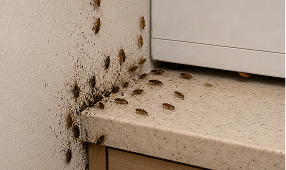
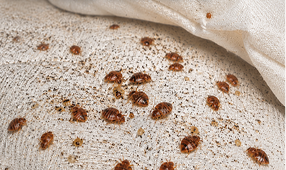
The severity bar is high by design. Courts want to protect both renters from unsafe housing and landlords from tenants who withhold rent over minor issues. Egg casings in cabinets, droppings across counters, and live roaches swarming at night typically clear that bar.
Legal Alternatives to Stopping Rent Payments
⚖Not sure if you have a case against your landlord?
Castelblanco Law Group has helped tenants recover over $350M in damages.
Get a legal case evaluation from Castelblanco Law Group →Renters dealing with a serious roach problem have more than one path forward. California law recognizes several self-help remedies, each with its own rules, limits, and risks. The right approach depends on how bad the infestation is, how the landlord has responded, and what outcome the tenant wants.
The Repair and Deduct Option
Under California Civil Code 1942, tenants may use California’s repair-and-deduct remedy and pay for repairs themselves before deducting the cost from rent. The remedy comes with hard limits. Repair costs cannot exceed one month’s rent. A renter may use the remedy no more than twice in any 12-month period. Before acting, the tenant must give the landlord reasonable notice and a chance to address the issue.
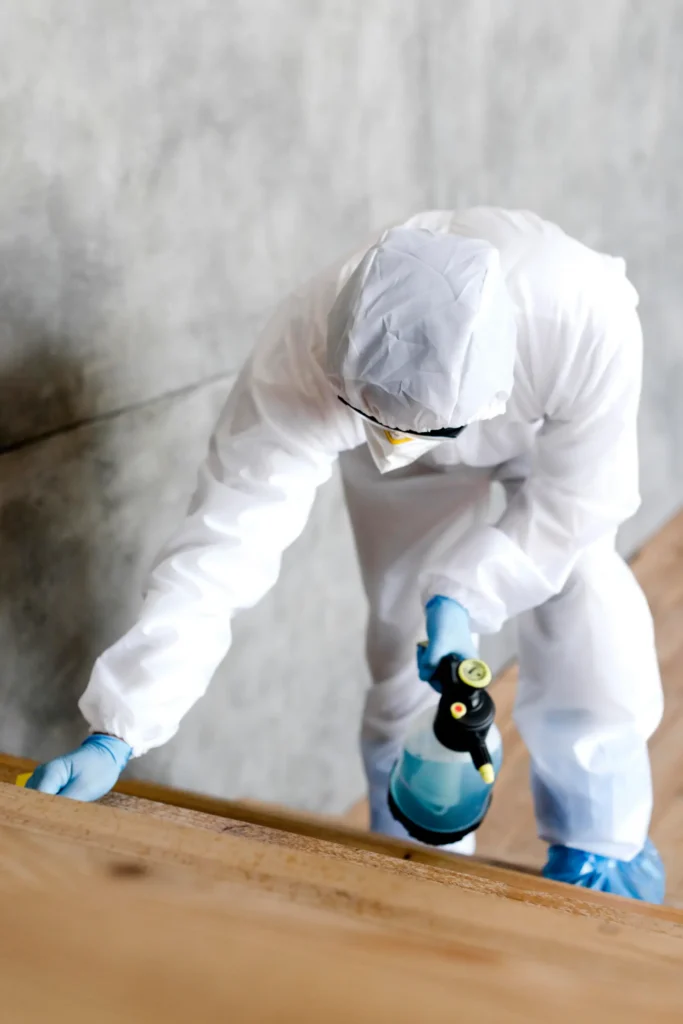
A moderate roach problem often allows the renter to hire a licensed pest control company and subtract the invoice from the next rent payment. Deep, property-wide infestations that require fumigation or repeated treatments push past the one-month cap. Renters in that situation need a different route.
Proper execution matters. Pay the exterminator directly and keep every receipt. Then notify the landlord in writing, explaining what was done, why, and how much will be deducted. A rushed or undocumented repair-and-deduct attempt often gives the landlord grounds to claim the tenant shorted rent without cause.
Rent Withholding and the Role of Escrow
Rent withholding works differently from repair and deduct. Tenants considering this option should understand the legal reasons to withhold rent before acting. A tenant stops paying rent while the landlord fails to correct a serious habitability defect. The catch: withheld money is not free. If the matter reaches court, a judge may order the tenant to pay the amount owed, minus an allowance for the reduced value of an uninhabitable unit.
Some attorneys advise clients to deposit withheld rent into a separate account, sometimes called an escrow account. The practice shows good faith. A tenant who spent the money rather than set it aside looks far less credible in front of a judge. The escrow approach also protects the renter if the court rules that some rent remains owed.
California does not require a formal court-supervised escrow process for rent withholding. The account is voluntary. Using one, though, signals to a judge that the tenant acted responsibly and treated the withheld amount as disputed money rather than a windfall.
Breaking a Lease Due to Severe Roaches
When an infestation makes a unit genuinely uninhabitable, California law allows tenants to terminate a lease early. For some renters, that raises broader questions about breaking a lease in California without penalty. The legal doctrine is called constructive eviction. The tenant must give written notice of the defect, allow a reasonable time for repair, and vacate the unit if the problem continues.
Breaking a lease through constructive eviction is not a light decision. Courts require proof that the condition truly forced the tenant out. A renter who leaves without documentation may face a lawsuit for unpaid rent on the remaining lease term.
Before vacating, the tenant should have written records of every complaint, every failed promise, and every missed repair appointment. Medical records, pest control reports, and code violations round out the picture. The stronger the file, the harder it becomes for a landlord to argue that the departure was unjustified.
Risks of Not Paying Rent Without Following the Law
Stopping rent payments outside the narrow paths the law allows invites serious problems. A landlord responds fast, and California’s eviction process moves quicker than most tenants expect once it begins. The stakes go well beyond back rent.
Eviction Risks for Improper Rent Withholding
If a tenant withholds rent without meeting the legal requirements, the landlord may file an unlawful detainer action. The process is fast. A renter served with a three-day notice to pay or quit has very little time to respond. A failed habitability defense at trial often results in an eviction judgment, back rent owed, court costs, and a negative entry on the tenant’s rental history.
Even a valid habitability complaint may fail in court without proper documentation. Written notice to the landlord, dated photographs, and copies of inspection reports all matter. A verbal complaint followed by a rent strike rarely survives legal scrutiny.
An eviction on a rental record follows a person for years. Future landlords screen applicants through tenant screening services that flag unlawful detainer filings, whether the tenant won or lost. The stain sticks, even when the underlying cause was a legitimate dispute.
When a Legal Claim May Be More Appropriate
Not every roach problem belongs in a rent-withholding dispute. When an infestation causes real harm, such as illness from contamination, asthma attacks, respiratory symptoms, bites, or emotional distress from living in unsafe conditions, the tenant’s position shifts. Compensation for the harm itself becomes the central legal question.
A habitability lawsuit focused on harm takes aim at what the tenant actually lost: damaged belongings, medical bills, lost wages, and the reduced value of the rental. Pursuing such a claim requires different evidence and a different legal strategy than a rent dispute. Tenants suffering injury or illness from severe conditions usually have stronger legal paths than a risky rent strike.
When a Severe Roach Infestation May Make a Unit Uninhabitable
Not every cockroach sighting triggers legal protection. California courts and health officials look for patterns: scope, duration, visible evidence, and the connection between the infestation and harm to residents. A unit crosses the line into uninhabitable when a severe problem continues unfixed, even after the landlord has had time to act.
Health and Sanitation Risks
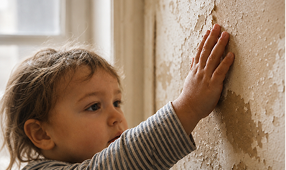
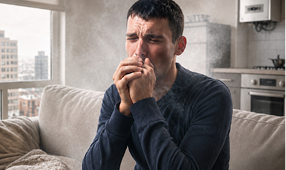
Cockroaches shed allergens through their shells, saliva, and droppings. The American Lung Association and the CDC (Centers for Disease Control and Prevention) both identify roach allergens as a known asthma trigger, particularly dangerous for children, which is one reason roaches can trigger respiratory problems. Roaches also carry pathogens, including Salmonella, E. coli, and Staphylococcus, and they contaminate food preparation surfaces as they move.
For a family with a toddler who develops asthma symptoms in a heavily infested apartment, the health risk is not theoretical. An elderly tenant with a compromised immune system faces real medical consequences from the same exposure. Long-term exposure to roach allergens correlates with increased emergency room visits for respiratory illness, particularly in low-income housing where infestations spread more easily.
The sanitation picture is equally troubling. Roaches feed on garbage, sewage, and decaying organic matter before walking across plates, silverware, and kitchen counters. Food contamination is not an abstract risk in a heavily infested unit; it happens every day.
When the Infestation Supports a Stronger Legal Claim
A stronger claim emerges when four elements line up, and the written-notice piece matters enough that tenants should understand how to tell their landlord about roaches in a way that creates a solid record:
- A documented, severe infestation that persists despite repeated complaints
- Written notice to the landlord giving a reasonable opportunity to treat
- Clear failure by the landlord to take effective action
- Measurable harm to the tenant, whether medical, financial, or both
When all four come together, the case moves beyond a rent dispute into territory where tenants pursue compensation for what the unsafe conditions cost them. The legal theory shifts from rent abatement to landlord liability for harm caused by negligence.
When Landlord Negligence Leads to a Legal Claim
California law holds landlords responsible for keeping rental properties habitable. When negligence creates a dangerous condition that injures or sickens a tenant, the landlord may face a lawsuit for damages. A severe, untreated roach infestation falls squarely within that framework when renters suffer real harm as a result.
Proving Landlord Negligence for Pest Control
Negligence in a habitability case rests on four elements: a duty owed by the landlord, a breach of that duty, harm to the tenant, and a direct link between the breach and the harm. In a roach case, the duty comes from the warranty of habitability and from local housing codes. The breach happens when the landlord is told about the problem and fails to respond reasonably.
A reasonable response means hiring a qualified pest control service, treating all affected units in multi-unit buildings, and following up to confirm the problem is resolved. A single spray visit after months of complaints rarely meets the standard. Courts also look at how quickly the landlord responded after being notified and whether repeat treatments were scheduled when the first failed.
A landlord who sends a cheap spray service once and then ignores follow-up complaints sets up a clean negligence case. Owners who hire a licensed exterminator, treat all affected units, and document every visit make a negligence claim much harder to prove.
Documenting the Dangerous Condition and Resulting Harm
Documentation is the backbone of any successful claim. Tenants who keep detailed records from day one put themselves in a much stronger position. Useful evidence includes:
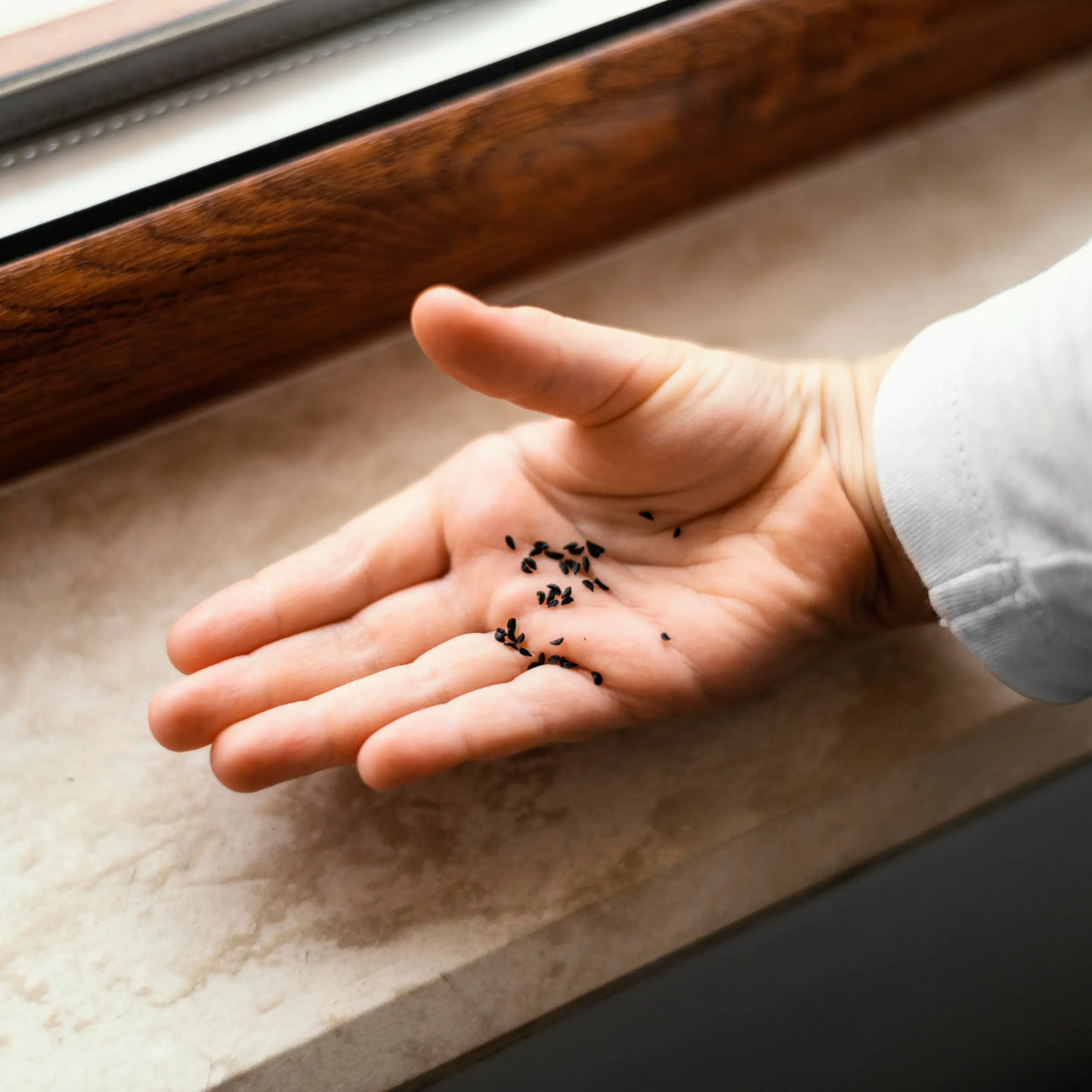
- Dated photographs and video of roaches, droppings, and egg casings
- Written complaints sent by email, text, or certified mail
- Pest control reports, health department inspections, and code enforcement notices
- Medical records tying symptoms to the living conditions
- Receipts for replaced food, clothing, or furniture damaged by the infestation
A delivery driver who missed three weeks of work after severe allergic reactions to roach contamination built her case around medical records, pay stubs, and exterminator invoices that tied the harm directly to her apartment. A senior on a fixed income who lost hundreds of dollars replacing contaminated groceries and dishes needed only receipts, photos, and pest control invoices to show the financial damage.
Evidence collected after the fact rarely carries the weight of contemporaneous records. Tenants who keep a running timeline, log complaints the day they happen, and save every landlord response in its original form have the strongest files. Photographs should always include visible dates.
Seeking Compensation for Harm Caused by Unsafe Conditions
When a landlord’s failure to address a serious infestation causes real harm, California law allows injured tenants to seek compensation. Recoverable damages may include medical expenses, lost wages, the cost of replacing contaminated belongings, the reduced rental value of the uninhabitable unit, and in some cases, damages for emotional distress.
In the worst situations, where a landlord knew about dangerous conditions and ignored them, punitive damages may also be on the table. Punitive damages go beyond compensating the tenant and are meant to punish the landlord for a conscious disregard of resident safety.
Tenants who suffer illness or injury from toxic or unsafe living conditions, including severe pest infestations that a landlord failed to treat, may have grounds to pursue a habitability or premises liability claim. Castelblanco Law Group represents tenants across California who have been harmed by dangerous conditions in their rental homes.
Frequently Asked Questions
Do I Have to Pay Rent If I Have Roaches in California?
Rent is typically still owed during a roach problem. California law only permits withholding in narrow cases, after written notice and when the infestation makes the unit legally uninhabitable.
Can You Withhold Rent for Roaches Without Notice?
No. A tenant must give the landlord written notice and a reasonable opportunity to address the issue before any rent remedy, including withholding, becomes legally available.
How Long Does a California Landlord Have to Fix a Roach Problem?
California law applies a reasonable-time standard based on severity. Minor issues allow 30 days. Severe roach infestations demand faster action, often within a week.
Get a Free Case Review. No Fees Unless We Win
Tell us what's happening. One of our tenant attorneys will review your situation and get back to you within 24 hours.

Eric Castelblanco,