
















Living in a community governed by a homeowners association can come with real conflict. Maybe your HOA refuses to repair a hazardous walkway, and you need to know whether a premises liability lawyer should review the safety risk.
Maybe you are being fined for something your neighbor does freely. Maybe the board is making decisions that look more like personal vendettas than community management. The question that follows is usually the same: can I sue my HOA?
The short answer is yes. California law gives homeowners several legal grounds to take an HOA to court. Whether you should sue, and what kind of case you actually have, depends on what the HOA did, what harm it caused, and what evidence you can put on the table.
This guide walks through every meaningful path forward, the evidence that holds up, the alternatives worth trying first, and what to do when an HOA’s failures cross from frustrating into legally actionable.
When You Can Sue Your HOA in California
An HOA is more than a neighborhood organization. It is usually a nonprofit corporation or unincorporated association governed by the CC&Rs, Davis-Stirling, and a board with legal duties to the association and its members. When the board breaches that contract, ignores those duties, or causes you real harm, the door to an HOA lawsuit opens.
Here are the main grounds California courts recognize.
Breach of Governing Documents (CC&Rs and Bylaws)
The Covenants, Conditions, and Restrictions (CC&Rs) and the bylaws are the rulebook the HOA must follow. They are also enforceable contracts. If the HOA fails to maintain common areas as required, refuses to hold elections as scheduled, or ignores procedures for fines and hearings, you may have a breach of contract claim.
Common examples include:
- Failing to repair shared infrastructure the CC&Rs assign to the HOA
- Imposing fines without the required notice or hearing
- Spending reserve funds outside the authorized purposes
- Changing rules without a proper vote
The remedy is usually a court order forcing compliance, plus any financial damages you suffered.
Selective Enforcement of HOA Rules
HOA rules must be applied consistently. When the same conduct gets one homeowner fined and another ignored, that is selective enforcement. Many homeowners want to know whether they can sue their HOA for selective enforcement, and the answer is often yes when there is a documented pattern.
Examples of Selective Enforcement
- One homeowner is fined for an unapproved fence color while several other fences sit in the same color without consequence.
- An architectural request is denied for vague reasons while similar requests are approved.
- Pet weight limits, parking rules, or short-term rental bans are enforced against some owners and ignored for others, often along lines that suggest personal bias.
A single inconsistency rarely wins a case. A documented pattern does.
How Davis-Stirling Applies
The Davis-Stirling Common Interest Development Act (California Civil Code sections 4000 through 6150) governs HOAs in this state. Under Davis-Stirling, operating rules must be in writing, within the board’s authority, consistent with law and the governing documents, adopted in good faith, and reasonable. A selective-enforcement claim is stronger when the homeowner can show unequal treatment under the same rule, lack of good faith, or an unreasonable, arbitrary, or capricious decision.
HOA Harassment or Discrimination
Can I sue my HOA for harassment? Sometimes. It depends on whether the conduct fits a recognized legal category and whether you have documented it.
When an HOA’s conduct stops looking like governance and starts looking like targeting, federal and state law step in. The California Fair Employment and Housing Act and the federal Fair Housing Act prohibit HOAs from discriminating based on race, religion, national origin, familial status, disability, gender, sexual orientation, and other protected categories.
Harassment or retaliation may be actionable when tied to a protected housing category, protected fair-housing activity, or protected HOA speech, assembly, election, petition, or communication rights.
HOA Negligence, Unsafe Conditions, and Property Damage
HOAs are responsible for maintaining common areas. When they fail at that job and someone gets hurt or suffers property damage, you can sue your HOA for negligence. Cases involving premises liability and negligence tend to be among the strongest HOA lawsuits, because the harm is concrete and the duty is clear.
Unsafe Common Areas and Injuries

If you slip on a stairway the HOA never repaired, trip on a walkway the board knew was broken, or fall in a parking garage with burnt-out lights that went unfixed for months, that is a premises liability case, often the same legal framework behind a slip-and-fall case. The legal pattern is straightforward: the HOA had a duty to maintain the area, breached that duty, and the breach caused your injury.
Injuries from neglected common areas can include fractures from falls, head injuries from collapsing structures, and serious harm from defective pool gates or playground equipment the HOA was supposed to inspect.
Water Damage and Repairs
Roofs, common walls, gutters, exterior siding, and shared building systems are usually the HOA’s responsibility under the CC&Rs. When the HOA delays a repair and water destroys your floors, drywall, or belongings, the HOA can be liable for the damage.
The timeline matters. Document when you reported the problem, how the HOA responded, and how the damage progressed.
HOA Duty of Care Under California Law
California Civil Code section 4775 and related provisions place the responsibility for common-area maintenance squarely on the HOA in most developments. Beyond the statute, HOAs owe a common-law duty of care to homeowners and visitors.
When that duty is breached and harm follows, the HOA may be liable; individual board-member liability is narrower and usually requires personal participation, misconduct, or facts beyond a maintenance-duty violation.
Emotional Distress Caused by an HOA
Lawsuits for emotional distress against an HOA are possible but narrow.
What Qualifies as Emotional Distress
To win, you generally need to show either:
- Intentional infliction of emotional distress, which requires extreme and outrageous conduct, intent or reckless disregard, and severe emotional harm.
- Negligent infliction of emotional distress, which is typically tied to a physical injury or a direct, foreseeable emotional harm from the HOA’s negligence.
Persistent harassment, public humiliation in board meetings, and prolonged retaliatory action can reach this level when the conduct is sustained and severe.
Challenges in Proving Emotional Harm
Emotional distress is hard to prove without medical documentation, therapist records, and ideally a treating professional willing to testify. Without that backing, courts tend to discount the claim. These cases usually do better when bundled with a stronger underlying claim such as discrimination, breach of contract, or personal injury.
Misuse of Funds and Breach of Fiduciary Duty
Board members owe homeowners a fiduciary duty. That includes managing dues responsibly, keeping accurate books, maintaining adequate reserves, and avoiding self-dealing. When board members spend reserves on unauthorized projects, hire vendors they personally profit from, or refuse to share financial records homeowners have a statutory right to see, a breach of fiduciary duty claim becomes possible.
Is It Worth Suing Your HOA?
⚖Not sure if you have a case against your landlord?
Castelblanco Law Group has helped tenants recover over $350M in damages.
Get a legal case evaluation from Castelblanco Law Group →Litigation is slow, expensive, and emotionally draining. Before you commit, weigh the actual harm, the cost of pursuing it, and the realistic outcome.
Valid vs Weak HOA Lawsuits
Valid lawsuits usually share a few features:
- A clearly documented violation of the CC&Rs, bylaws, or California law
- Real, measurable harm (financial loss, physical injury, property damage)
- A paper trail showing you raised the issue and gave the HOA a chance to fix it
- Evidence the board’s response was inadequate, dishonest, or in bad faith
Weak lawsuits often involve disputes over taste, minor inconveniences, or single incidents without a pattern. They also tend to lack documentation. A judge cannot rule in your favor on what is not in writing.
What to Do Right Now if You Want to Sue Your HOA
The work you do before filing matters more than most homeowners realize. Courts and lawyers look for proof that you tried to resolve the problem within the system first.
Step 1: Review the CC&Rs and HOA Bylaws
Read them carefully. Pay special attention to:
- Who is responsible for the area or issue at the center of your dispute
- The procedures for fines, hearings, and architectural approvals
- The HOA’s obligations to respond to homeowner requests
- Any clauses requiring mediation, arbitration, or internal review before suit
Step 2: Document Violations and Communication
Build a file. Include dated photos, written complaints, emailed exchanges, certified-mail receipts, meeting minutes, and contractor reports. If a maintenance issue is ongoing, document each stage.
When communicating with the board, put everything in writing. Phone calls disappear. Emails do not.
Step 3: Request Internal Dispute Resolution (IDR)
Davis-Stirling (California Civil Code section 5910) requires HOAs to offer a fair and reasonable internal dispute resolution process. Send a written request. IDR is informal, typically free, and often resolves disputes that would otherwise drag on for months.
Step 4: Report Violations to the Right Agency
Depending on the issue, the right agency may be:
- The California Civil Rights Department for housing discrimination
- The Department of Real Estate for licensing-related complaints against management companies
- The California Attorney General’s Office for misuse of nonprofit funds or fraud
- Local code enforcement for unsafe common-area conditions
A formal complaint, even if it does not resolve the issue, creates a record that strengthens any later HOA lawsuit.
Step 5: Escalate to an HOA Lawsuit
If IDR and agency complaints do not move the needle, the next step is alternative dispute resolution under Davis-Stirling (covered below) and then formal litigation. At this stage, work with a California attorney who handles the specific kind of case you are bringing.
Evidence That Strengthens Your HOA Lawsuit
The quality of your evidence often decides the case.
Photos, Videos, and Inspection Reports
Time-stamped images of the violation, hazard, or damage carry weight. So do independent inspection reports from licensed professionals, especially for structural, water, or safety issues. Video matters when conditions change or worsen between reporting and resolution. Those same evidence habits matter in a premises liability lawsuit, where unsafe conditions can change quickly.
Emails, Notices, and HOA Records
Save every email and notice. Request the HOA’s records you are entitled to under Davis-Stirling, including meeting minutes, financial statements, vendor contracts, and reserve studies. The HOA has statutory obligations to produce many of these on request.
Witness Statements and Financial Records
Other homeowners who saw the same conduct, experienced the same selective enforcement, or witnessed the incident can be powerful witnesses. Receipts, repair invoices, medical bills, and lost-income documentation translate harm into the language courts understand.
Damages and Outcomes in California HOA Lawsuits
Suing is not only about being right. It is about what the court can actually award you.
Compensatory Damages
These cover your actual losses: out-of-pocket repair costs, medical bills, lost income, diminished property value, and the cost of fixing what the HOA neglected. In injury cases, those losses also shape the value of a premises liability settlement in California.
Punitive Damages
Reserved for conduct that is malicious, fraudulent, or oppressive. Rare in HOA cases, but possible when board members act in bad faith or engage in deliberate wrongdoing.
Attorney’s Fees Under Davis-Stirling
Civil Code section 5975 allows the prevailing party in an action to enforce governing documents to recover reasonable attorney’s fees and costs. This provision cuts both ways. It can make a case worth pursuing, and it can make losing a case much more expensive than the original dispute.
Examples of Possible HOA Lawsuit Outcomes
Outcomes can include:
- A court order requiring the HOA to comply with its own rules
- Reversal of an improper fine or assessment
- Monetary damages for property loss or injury
- An injunction stopping discriminatory or harassing conduct
- Removal of a board member in extreme cases of breach of duty
Many cases settle before trial, often through mediated agreements that combine policy changes with financial compensation.
Alternatives to Suing Your HOA
Litigation should be the last option, not the first.
Mediation and Arbitration Under Davis-Stirling
Civil Code sections 5925 through 5965 require ADR before certain superior-court enforcement actions, mainly those seeking declaratory, injunctive, or writ relief, or limited monetary relief; the rule does not apply to small claims actions and does not generally apply to assessment disputes. ADR is faster and far cheaper than court. A neutral mediator helps both sides find common ground. An arbitrator can issue a binding decision if both sides agree to that path.
Small Claims Court Options
For disputes up to $12,500, small claims court offers a low-cost path for homeowners. It is well-suited for challenging an improper fine, recovering modest property damage, or reclaiming wrongly withheld funds. Attorneys generally cannot represent you in small claims hearings, which keeps the process simple.
When Litigation Becomes Necessary
Full litigation makes sense when:
- The harm is significant and ongoing
- The HOA refuses to participate in ADR in good faith
- The case involves injury, serious financial loss, or civil rights violations
- Only a binding court order will produce real change
Statute of Limitations for HOA Lawsuits in California
Time matters. California sets different deadlines depending on the claim:
- Breach of written contract (including CC&R violations): 4 years
- Personal injury: 2 years
- Property damage: 3 years
- Fraud: 3 years
- Breach of fiduciary duty: typically 3 to 4 years depending on how the claim is framed
The clock often starts when you knew, or reasonably should have known, about the injury or violation. For injury-related claims, the same deadline logic affects how long after an accident you can file a claim. Miss the deadline and the case is gone, no matter how strong it would have been.
When to Consult a California HOA Attorney
Most HOA disputes never need to reach a courtroom. But some problems move beyond everyday board disagreements. When an HOA ignores unsafe common areas, allows a hazardous condition to continue, retaliates after you raise concerns, or takes action that threatens your home, health, or finances, it may be time to speak with an attorney.
Legal help is especially worth considering when:
- You or a family member has been injured because the HOA failed to maintain a common area
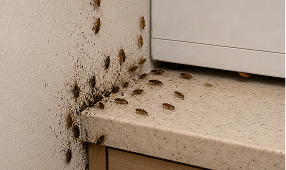
- A neglected condition, such as a broken staircase, hazardous walkway, pest infestation in shared spaces, mold, water damage, or another unsafe property issue, has caused real harm
- You have documented serious violations and the board still refuses to act
The HOA appears to be retaliating against you for reporting problems or asserting your rights
Significant money is at stake, whether through property damage, disputed charges, foreclosure pressure, fines, or repairs
Castelblanco Law Group handles serious housing and injury-related cases in California, including HOA-related disputes when they involve unsafe common areas, negligent property management, fair housing concerns, toxic exposure, infestation, physical injury, or conduct that causes real financial or property-related harm. The firm’s work is not about every minor rule disagreement, architectural preference, or board-politics dispute. It is about situations where an HOA’s action or inaction may put a homeowner’s safety, health, rights, or property at risk.
For pure governance disputes, such as election challenges, rule changes, ordinary fine reversals, or internal board-procedure conflicts, an HOA-focused civil litigator may be the better fit. Knowing which kind of case you have helps determine which kind of legal help you need.
Frequently Asked Questions About HOA Lawsuits in California
Can I Sue My HOA in Small Claims Court?
Yes, for disputes up to $12,500 as an individual. It is a practical option for improper fines, minor property damage, or refunds. Attorneys are not permitted at the hearing.
How Long Does an HOA Lawsuit Take in California?
Most cases resolve within 12 to 24 months. Complex cases involving multiple claims or extensive discovery can run longer. ADR and IDR steps before filing can add several more months.
How Much Does It Cost to Sue an HOA?
Costs vary widely. Filing fees alone run a few hundred dollars. Full litigation can range from several thousand to tens of thousands of dollars. Some cases qualify for contingency arrangements, and prevailing parties in CC&R enforcement actions may recover attorney’s fees under Davis-Stirling.
Can an HOA Retaliate Against Homeowners?
Retaliation for filing complaints, attending meetings, or running for the board can violate Davis-Stirling and California law. Document any pattern of selective enforcement or sudden hostility that follows your protected activity, since that pattern is what makes a retaliation claim viable.
What Can I Do if My HOA Is Not Doing Their Job?
Start with a written complaint citing the specific CC&R or statutory obligation being ignored. Request internal dispute resolution. If that fails, escalate to ADR, regulatory complaints, or litigation. Document every step, because written records are what turn a complaint into a case.
Can My HOA Foreclose on Me for Unpaid Dues?
Yes, but California sets strict requirements. Non-judicial foreclosure for delinquent assessments is generally only available when the debt exceeds $1,800 (excluding late fees and interest) or is more than 12 months past due. Consult an attorney immediately if you receive a foreclosure notice.
Get a Free Case Review. No Fees Unless We Win
Tell us what's happening. One of our tenant attorneys will review your situation and get back to you within 24 hours.

Eric Castelblanco, Attorney/Founder
Eric Castelblanco, founder and managing attorney of Castelblanco Law Group, APLC, has championed tenants' rights for over two decades and has secured over $350 million in verdicts and settlements.
Castelblanoc Law also specializes in every aspect of personal injury accident cases, deliveri...