





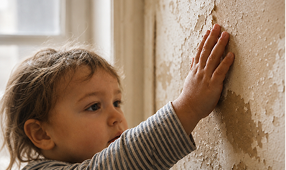










Lead poisoning often shows up late, after the body has carried elevated levels for months or years. A child who seems tired more than usual, an adult with stubborn headaches, a rental built before 1978 with paint chipping near a window. None of these signal an emergency on their own, yet together they point to a real problem worth a doctor’s attention.
The sections below cover the signs of lead poisoning, who faces the highest risk, how doctors test for it, and when California tenants may need help from a lead poisoning lawyer. The goal is practical information that helps today.
What Are the Signs of Lead Poisoning?
Lead poisoning is the buildup of lead in the body, usually over months or years of low-level exposure. The signs of lead poisoning range from mild fatigue and headaches to seizures and organ damage, depending on how much lead a person has absorbed and how long the exposure lasted.
Lead Poisoning Can Happen Without Obvious Symptoms
Most people with elevated blood lead levels do not feel sick right away. A child may spend time near peeling paint on a windowsill and seem completely fine, even as lead builds up in the body. By the time clear symptoms appear, exposure may have already caused harm. That is why blood testing is the only reliable way to detect lead exposure early.
Early Warning Signs of Lead Exposure
Early lead exposure symptoms tend to look like everyday complaints:
- Persistent fatigue or low energy
- Headaches that linger for days
- Loss of appetite or unexplained weight loss
- Stomach pain, constipation, or nausea
- Irritability and mood changes
- Trouble sleeping
- Mild memory or concentration problems
Such symptoms rarely point a doctor straight to lead unless the patient mentions a possible exposure source, such as an older rental or a recent renovation.
Severe Symptoms That Require Immediate Attention
At higher blood lead levels, symptoms become harder to ignore. Seek medical care right away for:
- Severe abdominal cramping
- Muscle weakness or numbness in the hands and feet
- Seizures
- Confusion or loss of coordination
- Vomiting
- Loss of consciousness
Severe lead toxicity symptoms in children include irritability that escalates into seizures or a sudden drop in alertness. Such cases call for emergency care, not a wait-and-see approach.
Lead Poisoning Symptoms in Adults
⚖Not sure if you have a case against your landlord?
Castelblanco Law Group has helped tenants recover over $350M in damages.
Get a legal case evaluation from Castelblanco Law Group →Adults absorb less lead than children per dose, but workplace exposure, renovation dust, and older home fixtures still put many at risk. Lead poisoning symptoms in adults often build slowly and get blamed on stress, aging, or unrelated conditions.
Symptoms Adults Most Often Miss
What are the symptoms of lead poisoning that adults tend to overlook? The quiet ones. A painter finishing a job stripping old window frames may chalk up his headaches and joint aches to long hours. A mechanic exposed to leaded solder may attribute high blood pressure to family history. Common adult symptoms include:
- High blood pressure with no clear cause
- Joint and muscle pain
- Memory lapses and difficulty concentrating
- Mood swings, depression, or anxiety
- Numbness or tingling in the limbs
- Reduced libido
- Persistent metallic taste in the mouth
When several of these appear together and the person lives or works near a likely lead source, ask the doctor for a blood lead test.
Reproductive and Pregnancy Risks
Lead can pass from a pregnant woman to her baby during pregnancy. When blood lead levels are elevated, the baby may be exposed before birth, and the effects can continue into childhood. Lead exposure during pregnancy has been linked to miscarriage, preterm birth, low birth weight, and developmental delays.
In men, long-term exposure has also been linked to lower sperm count and fertility problems. Couples planning a pregnancy who live in older housing should ask their doctor about lead and reproductive health risks as part of preconception care.
Lead Poisoning Symptoms in Children
Children absorb lead at four to five times the rate of adults. Their developing brains and nervous systems are also more vulnerable to lasting damage, which is why pediatric medicine treats any detectable blood lead level as a concern. The CDC notes that no safe blood lead level in children has been identified.
Physical and Behavioral Symptoms in Young Children
Parents often notice small changes before anyone else does. A toddler may stop gaining weight as expected, or a preschooler who was meeting milestones may begin losing words or skills. Common signs of lead poisoning in children include:
- Slowed growth or weight loss
- Irritability and frequent crying
- Loss of appetite
- Sluggishness or fatigue
- Constipation or stomach pain
- Hearing problems
- Delays in speech or motor skills
- Pica (eating non-food items like paint chips or soil)
Pica deserves special attention. A child who chews on a windowsill or eats paint flakes off a porch railing in a pre-1978 California rental is taking in lead with every bite.
Long-Term Developmental and Cognitive Effects
Lead damage to a young brain rarely undoes itself. Studies link childhood lead exposure to lower IQ scores, attention deficits, learning disabilities, and behavioral problems that follow a child into adolescence. Hearing loss, slower reaction times, and reduced school performance show up years after the original exposure ended. The earlier the exposure and the higher the level, the more pronounced the effects tend to be.
What Causes Lead Poisoning?
Lead enters the body through ingestion or inhalation. Most cases trace back to deteriorating paint, contaminated water, household dust, or workplace materials. California’s older housing stock keeps lead a live problem long after federal bans took effect.
Lead Paint in Older California Rentals

The federal ban on lead-based residential paint took effect in 1978, and federal rules require certain disclosures for most pre-1978 housing under the federal lead-based paint disclosure rules. Buildings constructed before that date often still hold layers of lead paint under newer coats. As paint ages, it chips, peels, and crumbles into dust around windows, doors, and porches, the same surfaces children touch before putting fingers in their mouths.
Many California rentals from the early and mid-twentieth century carry this hazard, especially in older neighborhoods of Los Angeles, San Francisco, Oakland, and the Central Valley.
Contaminated Water and Plumbing
Lead pipes, lead solder, and brass fittings with lead content can contribute to lead in drinking water, particularly when water sits in the line overnight or when pipes corrode. Service lines connecting some older homes to the municipal water main still contain lead. Hot water dissolves lead faster than cold, so cold tap water for cooking and drinking lowers exposure.
Lead Dust, Soil, and Renovation Hazards
Renovation in an older home releases lead dust unless contractors follow lead-safe work practices. When work affects the safety or livability of a rental, tenant rights during major repairs may also matter. Sanding, scraping, and demolition kick fine particles into the air, where they settle on floors, toys, and food prep surfaces.
Soil near old buildings and along busy roads also holds lead from past use of leaded gasoline and exterior paint. Kids who play in bare dirt around a pre-1978 rental track lead indoors on shoes and hands.
Workplace and Product Exposure
Certain jobs put workers around lead daily: construction, painting, battery manufacturing, auto repair, plumbing, soldering, and firearm cleaning at indoor ranges. Imported toys, glazed ceramics, traditional cosmetics like kohl and surma, and some folk remedies have also tested positive for lead. Workers often carry lead home on clothes and shoes.
Family members face indirect exposure even when they never visit the worksite.
Who’s Most at Risk of Lead Exposure?
Anyone living or working around lead sources faces some risk, though certain groups carry far more.
Children Under Age Six
Small children absorb lead more efficiently than adults, put their hands and objects in their mouths constantly, and crawl on floors where lead dust settles. Their brains and nervous systems are also still developing, which magnifies the damage from any given dose.
Pregnant Women and Infants
Lead stored in a woman’s bones from past exposure releases back into her bloodstream during pregnancy and breastfeeding. The fetus or infant absorbs it directly. Even a mother without recent exposure passes along lead from years earlier.
Tenants in Pre-1978 California Housing
Renters in older buildings carry exposure risk that often sits beyond their control. A landlord who ignores chipping paint, postpones repairs, or hires contractors who skip lead-safe protocols may create uninhabitable housing conditions that put every household in the building at risk, especially families with young children.
How Is Lead Poisoning Diagnosed?
A blood test is the only way to know for certain. Symptoms alone, even classic ones, don’t confirm lead poisoning, and many people with elevated levels feel nothing at all.
Blood Lead Testing
A simple blood draw measures the amount of lead in the bloodstream, reported in micrograms per deciliter (µg/dL). Under California blood lead testing requirements, children in Medi-Cal and other publicly funded programs should receive blood lead testing at 12 and 24 months, with additional testing for children at higher risk. Adults concerned about workplace or home exposure should request a blood lead test from their primary care doctor.
What Blood Lead Levels Mean
The CDC sets the blood lead reference value for children at 3.5 µg/dL, the level used to identify children with higher exposure than most. There is no safe level of lead in a child’s blood. CDC guidance on blood lead levels ties higher numbers to more urgent follow-up:
- 3.5 to 9 µg/dL: confirm with venous draw, identify exposure source, retest
- 10 to 44 µg/dL: case management, environmental investigation, nutritional support
- 45 to 69 µg/dL: chelation therapy considered
- 70 µg/dL or higher: medical emergency, immediate chelation
For adults, OSHA flags levels above 40 µg/dL for medical removal from the workplace, though health effects appear well below that threshold.
What to Do If You Suspect Lead Exposure at Home
Suspect lead in your home? Two priorities come first: cut the exposure and document what you find. Both matter, whether the goal is medical care, a repair demand, or a future legal claim.
Steps to Reduce Further Exposure
Move children away from any area with chipping or peeling paint. Wet-wipe windowsills, floors, and surfaces with a damp cloth, since dry sweeping spreads lead dust. Wash hands and toys often. Run cold water for thirty seconds before drinking or cooking, and never use hot tap water for baby formula. Eat foods rich in calcium, iron, and vitamin C, which reduce how much lead the body absorbs.
Schedule a blood lead test for everyone in the household, especially children under six and anyone pregnant.
How to Document Unsafe Living Conditions
Written records carry weight later. Photograph chipping paint, water damage, exposed pipes, and any visible deterioration, with date stamps if possible. Save every written communication with the landlord: emails, texts, repair requests, and responses. If the problem continues, the same records can support next steps, including how to report a landlord in California.
Keep medical records, blood test results, and pediatrician notes. Note the date you first reported the hazard and what the landlord did or failed to do.
Can a Landlord Be Held Responsible for Lead Exposure?
Yes, when negligence leads to harm. A California landlord who knew or should have known about a lead hazard and failed to address it may be liable for the medical consequences a tenant suffers. Tenants may have a legal claim for lead poisoning when the exposure comes from unsafe housing. Compensation in these cases may include damages for medical costs, ongoing treatment, lost income, and proven long-term effects of childhood exposure.
California Habitability Laws and Lead Hazards
California’s implied warranty of habitability requires landlords to maintain rental property in a condition fit for human occupancy. Deteriorating lead paint, lead-contaminated water from corroded plumbing, and lead dust from unsafe renovation work may breach habitability duties when they make the unit untenantable or meet California’s lead-hazard standards.
For most pre-1978 housing, federal law requires landlords to give renters the EPA lead pamphlet, disclose known lead-based paint or lead-based paint hazards, provide available lead records or reports, and include the required Lead Warning Statement before lease signing.
Signs of Negligent Property Maintenance
Patterns that often appear in lead exposure cases include:
- Repeated repair requests left unanswered
- Chipping or peeling paint on windows, doors, porches, or interior walls
- Renovation work done without lead-safe certified contractors
- Visible water damage that loosens older paint layers
- No lead disclosure provided at lease signing for a pre-1978 building
- Past complaints from prior tenants in the same unit
When a landlord ignores warnings and a child or adult ends up with elevated blood lead levels, a claim may turn on proof that the landlord had notice, failed to act reasonably, and that the unsafe condition was a substantial factor in causing harm.
Tenants who suffer injuries from toxic exposure in unsafe rental housing may have grounds to pursue a habitability or premises liability claim.
How Tenants Can Reduce Lead Exposure While Seeking Repairs
Waiting on a landlord to fix a hazard doesn’t mean waiting passively. A few practical steps lower the risk while the legal and repair process moves forward.
Protecting Children in Older Rentals
Keep small children away from windowsills, door frames, and porches with chipping paint. Use sticky-backed plastic or duct tape as a temporary barrier over peeling areas. Wash hands before meals and before bed. Replace area rugs with washable mats near entryways. If your child plays in a yard with bare soil, plant grass or lay mulch over exposed dirt and have them remove shoes at the door.
Safe Cleaning and Renovation Practices
Never dry-sweep or vacuum lead dust with a standard vacuum. Use a damp mop or cloth with a household detergent, and dedicate that cloth to lead cleaning only. HEPA-filter vacuums trap fine particles a regular vacuum misses.
If renovation work is underway, ask whether the contractor is EPA Lead-Safe Certified, a federal requirement for work disturbing painted surfaces in pre-1978 homes. Keep children and pregnant women out of the home until cleanup is complete and a clearance test confirms the area is safe.
When to Contact a Lead Poisoning Attorney
Reach out to a lead poisoning attorney once a doctor confirms elevated blood lead levels in you or your child and the exposure source points to your rental. An attorney evaluates whether the landlord’s actions or inaction created the hazard, gathers the medical and environmental evidence that supports a claim, and pursues compensation for medical bills, future treatment, lost wages, and the developmental effects a child may carry for life.
Castelblanco Law Group represents California tenants harmed by lead exposure and other toxic hazards in rental housing. The firm handles cases where landlord negligence has caused real injury or illness. Compensation in those cases reflects the immediate medical costs and the long-term consequences a family carries after exposure in a home that should have been safe.
Frequently Asked Questions About Lead Poisoning
Can I Sue My Landlord for Lead Poisoning in California?
Yes, if landlord negligence caused the exposure and you or your child suffered harm. California habitability laws and premises liability rules support compensation claims for documented lead injuries.
How Long Do I Have to File a Lead Exposure Claim?
California generally gives two years to file a personal injury claim, and delayed discovery may affect when that time begins. For minors, the limitations period is often tolled while the child is under 18, but exceptions can apply, especially for public-entity claims.
Are Lead Poisoning Effects Reversible?
Some symptoms improve once exposure stops, but damage to a developing brain often lasts. Cognitive, behavioral, and developmental effects in children frequently persist into adulthood despite treatment.
Who Pays Medical Bills if the Exposure Came From a Rental?
If a landlord’s negligence caused the exposure, a successful claim shifts responsibility for medical bills, ongoing care, and related costs to the landlord or their insurance carrier.
What Should I Do First if My Child May Have Been Exposed to Lead?
Schedule a blood lead test with your pediatrician immediately. Then move the child away from the suspected source, document the conditions, and consult a lead poisoning attorney.
Get a Free Case Review. No Fees Unless We Win
Tell us what's happening. One of our tenant attorneys will review your situation and get back to you within 24 hours.

Eric Castelblanco,