
















Disclaimer: The topics discussed in this blog are intended solely for informational purposes. They do not imply or guarantee that Castelblanco Law Group specializes in or accepts cases related to the subjects covered.
Paying full price for a defective rental unit frustrates many California residents. You sign a lease expecting a safe, functional home, but reality sometimes delivers broken heaters, leaking roofs, or severe pest infestations. When a landlord fails to provide habitable living conditions, tenants often wonder if they must continue paying the agreed-upon amount. Rent abatement offers a legal pathway to reduce housing costs when a property falls short of basic standards. California law provides strong protections for renters facing these scenarios, and in severe cases, a slumlord lawyer can help you enforce those rights.
This guide explores the specific rules governing rent reductions in the Golden State. We will examine the Implied Warranty of Habitability and how it safeguards your financial interests. You will learn the correct methods for calculating reduced payments and the specific steps required to request relief officially. Understanding these rights helps you communicate effectively with property owners and secures the fair value you deserve. Continue reading to gain the knowledge you need to handle disputes and protect your wallet.
Quick Answer: Defining Rent Abatement
Rent abatement means a legally recognized, often temporary and proportional, reduction of rent when serious habitability defects significantly diminish the unit’s usable value. This reduction accounts for the home’s decreased value due to significant defects or lack of repairs. In California, this right stems from the Implied Warranty of Habitability, which guarantees that every rental unit remains fit for human occupation. If a landlord neglects essential repairs, the tenant pays only for the portion of the premises that remains usable. This ensures fairness in the landlord-tenant relationship.
What Rent Abatement Means and When It Applies
⚖Not sure if you have a case against your landlord?
Castelblanco Law Group has helped tenants recover over $350M in damages.
Get a legal case evaluation from Castelblanco Law Group →Understanding the definition helps tenants determine if their situation qualifies for financial relief. The concept rests on the idea that rent acts as an exchange for a livable space. When that space degrades, the payment obligation shifts.
Rent Abatement Meaning in Lease Agreements
Many standard California lease agreements include specific clauses regarding rent reduction. These sections often outline what happens if the unit is damaged by fire or flood. A well-written contract clearly defines the abatement period. This period usually begins when the damage occurs and ends when repairs are complete. Tenants should scan their documents for terms like “temporary substitute housing” or “loss of use.” However, even if a lease lacks this specific language, state law overrides the omission. You possess the right to a habitable home regardless of what the paperwork says or omits.
Comparing Abated Rent to Concessions
People frequently confuse abatement with other forms of financial incentives. Abated rent is a remedy for a landlord’s breach of contract. It functions as compensation for living in substandard conditions. In contrast, rent concessions or free rent usually appear as marketing tools. A property manager might offer one month free to attract new residents during a slow market. Concessions imply a bonus, while abatement signals a failure to deliver the promised product. Distinguishing between these concepts prevents confusion during negotiations.
Identifying When Abatement Applies in California
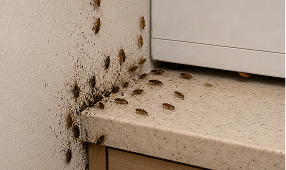
California tenants qualify for reduced payments only under specific circumstances. The defect must be substantial enough to affect your health or safety. Minor inconveniences do not trigger this legal remedy. Qualifying issues often include severe mold growth, pest infestation, lack of waterproofing, or absence of hot water. The problem must also exist through no fault of your own. If a tenant or their guest causes the damage, the landlord is not financially liable for the loss of use. Additionally, the owner must have a reasonable time to fix the defect after receiving notice.
How to Calculate Rent Abatement in California
Determining the exact dollar amount of a reduction can be challenging for many renters. California courts typically accept two primary methods for calculating the fair deduction.
The first approach involves a percentage reduction based on usability. If a flood renders one bedroom of a two-bedroom apartment unusable, you might deduct the percentage of square footage that room represents. For example, losing access to 25% of the floor plan justifies a 25% reduction in the monthly payment. This method works best when a specific area becomes off-limits.
The second method focuses on the reduction in fair market value. You estimate what the unit would rent for in its current, defective state compared to its price in perfect condition. If a fully functional apartment rents for $2,000, but a unit without heat rents for only $1,200, the abated rent would be $800. Judges often favor the percentage method because it relies on concrete numbers rather than subjective market assessments.
Common Scenarios for Rent Abatement in California
Disputes regarding payment reductions usually stem from a few recurring issues. Recognizing these scenarios helps you build a stronger case.
Living Conditions Deemed Uninhabitable
The most frequent grounds for abatement involve violations of California Civil Code 1941.1. This statute lists requirements for a dwelling to be legally habitable. A unit fails this test if it lacks effective weatherproofing on the roof or exterior walls. Unbroken windows and doors are also mandatory requirements. Plumbing and gas facilities must function correctly and comply with the code in effect at the time of installation. When these core systems fail, the home becomes uninhabitable.
Tenants facing these realities have a strong legal argument for withholding payment, especially when the problems rise to the level of unsanitary living conditions under California law.
Dealing With Delayed Repairs or Damage
Landlords must address maintenance requests within a reasonable timeframe. California law presumes 30 days is reasonable for repair-and-deduct after notice, but emergencies may justify a shorter time. A broken front door lock or a sewage backup demands immediate attention. If a property manager delays these critical fixes, rent abatement kicks in for the days you wait. The clock starts ticking the moment you provide notice. Prolonged inaction can turn a minor repair issue into a valid reason to reduce your check.
Losing Essential Services or Property Access
Tenants pay for more than just four walls; they pay for services included in the lease. Losing access to promised amenities warrants a price adjustment. This might involve a broken elevator in a high-rise building, forcing you to walk up 10 flights of stairs. Ongoing construction blocks your assigned parking spot or renders the pool unusable for months. While these don’t always make a home uninhabitable, they represent a loss of agreed-upon value. You can request a partial abatement reflecting the diminished service level.
Impact of Local Disasters and Evacuations
California frequently faces wildfires, floods, and earthquakes. Local authorities often issue mandatory evacuation orders during these crises. If a government agency forbids you from entering your neighborhood, you cannot use the property. Rent obligations may be excused or reduced depending on the lease and facts (e.g., performance barred by operation of law or destruction of the premises). Since the landlord cannot provide the space, the tenant should not pay for it.
Most modern leases address this specifically, but common law also supports suspending obligations when the contract’s object becomes inaccessible due to a disaster.
When damage or evacuation leaves your home unsafe or unusable for more extended periods, reviewing tenants’ rights when a house is uninhabitable in California can help you understand what additional protections may apply.
Tenant Rights Under California Law
Knowledge of the specific statutes significantly strengthens your position. You do not need a law degree to understand the basics of protecting your tenancy.
California Code on Habitability and Abatement
The foundation of tenant protection lies in the implied warranty of habitability. The landmark case Green v. Superior Court (1974) established that residential leases imply a warranty that the landlord will keep the premises habitable. This precedent means the duty to pay rent depends on the landlord’s duty to maintain the property. You cannot sign away this right; any lease provision attempting to waive the warranty is void. This legal backdrop makes rent abatement a right rather than a favor from the owner.
Withholding Rent Legally
Tenants frequently ask whether they can simply stop paying. California allows rent withholding, but the process carries risk. You must prove the defects are severe and that you gave proper notice. If a judge later decides the defect was minor, you could face eviction for nonpayment. To protect yourself, place the withheld money into a separate escrow account. This demonstrates good faith and proves you have the funds available. Never spend the withheld money. It serves as leverage, not extra spending cash.
Landlord Duties and Legal Obligations
Property owners are responsible for maintaining compliance with housing codes. They must keep electrical systems, grounds, and sanitation facilities in good working order. Many of these duties come directly from California landlord-tenant law and the Civil Code, which spell out minimum standards for rental housing. The law requires them to prevent rodent or insect infestations. Landlords must also provide trash receptacles and ensure that emergency exits are safe. Failing these duties exposes them to liability. If they ignore your reports, they effectively breach the lease agreement. This breach validates your request for abated rent.
Withholding Rent vs Repair and Deduct
Two distinct remedies exist for tenants, and choosing the right one matters. Rent withholding is a severe, expensive problem like a broken furnace. The repair-and-deduct remedy applies to smaller issues. Under Civil Code 1942, you can pay for the repair yourself and deduct the cost from your next payment. This remedy has limits: the cost cannot exceed one month’s rent, and you can use it only twice in any 12 months. Abatement is broader and applies when the issue is too big for a simple fix.
How to Request Rent Abatement
Following a structured process increases your chances of success. Landlords respond better to professional, documented requests than to angry phone calls.
Step 1: Documenting the Issue
Evidence wins arguments. Photograph every defect clearly from multiple angles. Record videos showing leaks, noise, or pest activity. Keep a log of temperature readings if the heat fails. Save every text message and email exchange regarding the problem. Receipts for any supplies you purchased to mitigate damage are essential. This documentation serves as your proof of the diminished value. Without concrete evidence, your claim becomes a he-said-she-said situation.
Step 2: Notifying the Landlord in Writing
Verbal notice disappears easily; written notice endures. Send a formal letter or email detailing the specific defects. Reference the dates you first noticed the problems. State clearly that you are requesting rent abatement due to the reduced habitability. Include copies of your photos or logs. Sending this via certified mail creates a paper trail proving receipt. This letter officially starts the clock for the landlord to act.
Sample Letter:
“Dear [Landlord Name],
I am writing to request a rent abatement for my unit at [Address]. Due to the ongoing [Issue, e.g., roof leak] reported on [Date], I have been unable to use [Specific Room]. I propose a $[Amount] reduction for the month of [Month] to reflect the loss of use.
Please confirm your agreement in writing.”
If the landlord still refuses to address severe defects after proper notice, learning how to report a landlord in California will help you contact the right agencies with complete documentation.
Step 3: Reviewing Leases and Local Ordinances
Check your contract for specific instructions on giving notice. Some agreements require delivery to a specific address or to one particular person. Next, look up local rent control ordinances. Cities like Los Angeles, San Francisco, and Oakland have stricter rules offering tenants extra protection. These local laws might outline specific formulas for calculating rent abatement. Compliance with these local rules prevents the landlord from dismissing your request on a technicality.
Step 4: Seeking Legal Assistance When Necessary
If the landlord ignores your request or threatens eviction, seek outside help immediately. Tenant unions provide free advice and resources. Legal aid organizations assist low-income renters in drafting documents. A lawyer can send a demand letter, which often prompts a quicker response than a tenant acting alone. Early legal intervention prevents small disputes from escalating into eviction proceedings.
Negotiating Rent Abatement With Your Landlord
Reaching an agreement without going to court saves time and stress. Approach the negotiation as a business transaction rather than a personal fight.
Valid Justifications Tenants Can Use
Frame your argument around the financial reality. Explain that what rent abatement basically accounts for is services not rendered. Remind the owner that finding a new tenant for a damaged unit is difficult. Keeping you in the unit at a reduced rate is often cheaper for them than turnover costs. Use comparable rental listings to demonstrate the unit’s lower value in its current condition. Logical, economic arguments persuade better than emotional appeals.
Preventing Retaliation or Wrongful Eviction
California Civil Code 1942.5 bars retaliation (e.g., rent increases, reduced services, eviction threats) and presumes retaliation for 180 days after protected tenant actions, subject to statutory limits. If an owner attempts these actions after you request an abatement period, document it immediately. This behavior is illegal and can result in significant penalties for the landlord. Mentioning this code section gently during negotiations can deter bad behavior.
Legal Options When Rent Abatement Is Denied
Sometimes, reasonable negotiation fails. When a landlord refuses to acknowledge your rights, you must escalate the matter to official channels.
Filing Complaints With Housing Authorities
Report code violations to your local health department or building inspector. An official citation from the city forces the landlord to act. This report also validates your claim that the unit is uninhabitable. The Los Angeles Housing Department, for example, rigorously investigates habitability complaints. These agencies can order rent reductions or place the property into a Rent Escrow Account Program (REAP) until repairs are finished.
Pursuing Court or Small Claims Cases
Small claims court generally handles disputes up to $12,500 for natural persons (lower limits for businesses). This venue allows you to sue for the overpaid rent without hiring an attorney. You present your evidence, photos, and letters directly to a judge. The judge decides the fair amount of abated rent to award. This process is relatively quick and inexpensive. It empowers tenants to recover money paid for substandard living conditions.
Consulting a Tenant Rights Attorney
Complex cases require professional representation. If the defects caused health issues, including mold exposure or lead poisoning, it may be time to speak with a tenant rights attorney. At Castelblanco Tenant Law Group, we know our clients aren’t just tenants; they are parents, workers, and dreamers who deserve better homes and better lives.
Many of these matters involve personal injury claims alongside rent disputes. Attorneys handling rent abatement cases in California often work on contingency, meaning they get paid only if you win. Their expertise helps in navigating high-stakes litigation involving large sums of money.
Final Thoughts: Protecting Your Rights
Securing a safe home requires vigilance and action. Rent abatement serves as a critical tool for ensuring you get what you pay for in the California housing market. By documenting issues, understanding the Implied Warranty of Habitability, and communicating clearly, you shift the power dynamic in your favor. Remember that state law protects your fair-value request. Do not accept substandard conditions out of fear or uncertainty. Use the knowledge gained here to assert your position and maintain the quality of life you deserve.
FAQs About Rent Abatement in California
Applying Abatement to Minor Issues
No, abatement applies only to substantial defects affecting health or safety. Cosmetic issues, such as peeling paint or worn carpet, do not qualify for rent withholding.
Equating Abatement With Free Rent
No, rent abatement reduces payments proportionally to the unusable space. You typically pay for the habitable portion of the unit.
Handling Landlords Who Refuse Cooperation
Document everything and file a complaint with the local code enforcement office. Deposit withheld rent into an escrow account to show good faith if you face eviction.
Covering Abatement With Renters Insurance
Renters insurance covers loss of use, paying for hotels if you must leave your home. It does not reimburse the landlord for the abated rent regarding the unit.
Get a Free Case Review. No Fees Unless We Win
Tell us what's happening. One of our tenant attorneys will review your situation and get back to you within 24 hours.

Eric Castelblanco, Attorney/Founder
Eric Castelblanco, founder and managing attorney of Castelblanco Law Group, APLC, has championed tenants' rights for over two decades and has secured over $350 million in verdicts and settlements.
Castelblanoc Law also specializes in every aspect of personal injury accident cases, deliveri...