



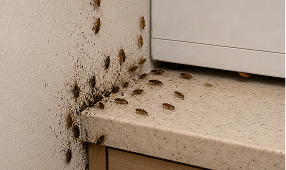
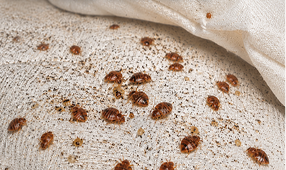










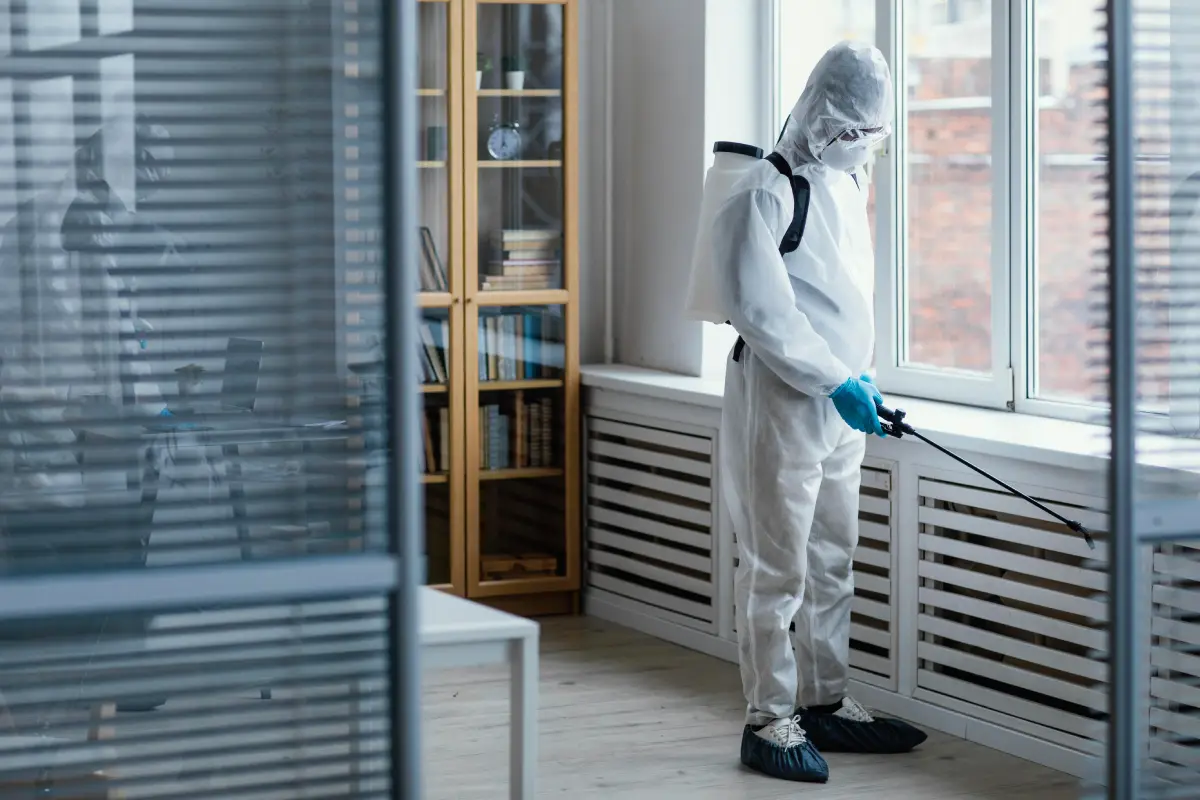

Waking up to droppings on the kitchen counter or hearing scratching inside the walls at night signals something most renters dread. A rat infested apartment goes beyond being unpleasant. Under California law, a severe rodent problem reaches the level of an uninhabitable condition, one that exposes tenants to disease, property damage, and real financial harm.
Landlords carry a legal duty to keep rental units fit for human habitation. When they ignore a known infestation, tenants may have grounds to pursue compensation with help from a rodent infestation lawyer for medical costs, damaged belongings, and the loss of a livable home. The sections below explain your rights, the evidence that supports a strong claim, and the next steps when a landlord refuses to act.
Is a Rat Infestation Considered Uninhabitable in California
California recognizes a legal standard called the implied warranty of habitability. Every residential lease in the state carries this promise, whether the written agreement spells it out or not. Civil Code Section 1941.1 lists specific conditions a rental must meet, including weatherproofing, working plumbing, clean common areas, and freedom from vermin.
A unit with this kind of problem fails that standard once the infestation becomes persistent. A single sighting may not qualify. An active colony, droppings throughout the home, gnawed food packaging, and chewed wiring push the situation far past that line.
When Rats Create a Dangerous Living Condition

Rats chew through drywall, insulation, wooden beams, and electrical wiring. Exposed wires raise the risk of fire. Nests built inside ventilation systems push contaminated air through the apartment. A family with young children or elderly residents faces serious danger long before the damage becomes visible to the eye.
Picture a single mother in a Los Angeles fourplex who finds rat droppings on her toddler’s high chair every morning. The infestation has moved from a nuisance to a hazard. California courts have treated that kind of scenario as a textbook habitability violation and grounds for legal action against the property owner.
Health Risks Linked to Rat Infestations
Rodents spread several diseases linked to serious illness. Hantavirus, leptospirosis, salmonellosis, and rat-bite fever all appear in medical literature tied to rodent exposure. Urine and fecal matter dry into dust, which tenants then breathe in every day they remain in the home.
Allergy flare-ups, asthma attacks, and skin reactions show up often in affected households. Children and people with compromised immune systems face the highest risk. A tenant who develops documented respiratory problems after an infestation begins has strong medical evidence to support a negligence claim. Long-term exposure may also trigger chronic conditions that require ongoing treatment well after the infestation is resolved.
Bites pose a separate danger. Sleeping children face bite risk from rats drawn to food residue on skin or bedding. Even minor bites carry infection risk, and CDC information on rat-bite fever shows how symptoms can escalate after rodent contact. Parents who discover bite marks on a child should go directly to the emergency room, both for treatment and for a clear medical record that ties the injury to the housing condition.
Landlord Negligence and Rat Infestations
⚖Not sure if you have a case against your landlord?
Castelblanco Law Group has helped tenants recover over $350M in damages.
Get a legal case evaluation from Castelblanco Law Group →Negligence, in legal terms, means failing to take reasonable care. A landlord who learns about a rodent problem and does nothing meets that definition. California courts look at what a reasonable property owner would do in the same situation and hold the landlord to that standard, much like the broader distinction between premises liability and negligence.
Landlord Duty to Maintain Safe Housing
Property owners across California carry specific obligations under Civil Code 1941.1 and local housing codes. They must deliver a unit free of vermin at move-in and keep it that way throughout the tenancy. Common areas, shared walls, basements, and exterior grounds all fall within that duty.
California tenant rights around a rat infestation often hinge on whether the landlord inspected the property regularly. Annual pest control service, prompt response to complaints, and sealed entry points show good-faith compliance. The absence of any of that points toward negligence.
Failure to Act After Notice
Once a tenant reports rats in the apartment, the clock starts. A reasonable landlord contacts a licensed exterminator, schedules treatment, and follows up to confirm the problem is resolved. Silence or empty promises produce a paper trail that works against the property owner.
Courts look closely at the gap between notice and action. Two weeks of inaction on a severe infestation often supports a negligence finding. Two months of inaction almost always does.
Common Causes of Rat Infestations in Apartments
Most infestations trace back to structural problems the landlord should have addressed:
- Unsealed gaps around pipes, vents, and foundations
- Broken screens or damaged door sweeps
- Overflowing dumpsters or poorly maintained trash enclosures
- Overgrown landscaping pressed against the building
- Attic or crawl space openings left unrepaired for months
Food left out by tenants plays a role, but rodents enter a building through physical openings the property owner controls. A clean unit does not stop rats already nesting in the walls. Older buildings with deferred maintenance tend to produce recurring problems, which makes the landlord’s pattern of upkeep, and who is responsible for pest control, a central issue in most cases.
How to Prove a Rat Infestation in Your Apartment
Strong evidence separates a complaint from a case. California law places the burden on tenants to show the landlord knew, or reasonably should have known, about the problem. Good documentation closes that gap.
Signs and Evidence of Rats
Telltale signs show up well before anyone sees a live rat. Droppings the size of a raisin appear near food sources and along walls. Grease marks smudge baseboards where rodents travel repeatedly. Chewed corners on cardboard boxes, shredded insulation pulled from vents, and scratching sounds inside walls at night all point to an active problem.
Documenting Damage and Health Issues
Photograph everything. Date-stamp each image. Keep receipts for damaged clothing, ruined groceries, and replacement furniture. A cardboard crib chewed through at the corner tells a judge more than any written description.
Medical records carry equal weight. A visit to urgent care with symptoms tied to rodent exposure creates a paper trail that leaves no room for landlord denials. Ask your doctor to note the suspected cause in the chart, and request copies of lab results, prescriptions, and follow-up visit summaries.
Notifying Your Landlord in Writing
Verbal complaints vanish. Written notice stays. Send an email or certified letter describing the infestation, the dates you first noticed the signs, and a request for pest control service. If you may need to escalate the matter, it also helps to understand how to report a landlord in California. Keep a copy for your records. Save the delivery receipt.
A clear written record shifts the legal weight decisively. Once the landlord has been formally notified, further inaction becomes far harder to defend.
What to Do If You Have Rats
A step-by-step approach protects your health and strengthens any future claim. The following sequence works whether you ultimately settle with your landlord or pursue a lawsuit through the courts.
Step 1: Identify and Confirm Signs of Rats
Walk through your apartment systematically. Check under the sink, behind the refrigerator, inside lower cabinets, and along baseboards. Look for droppings, chew marks, and greasy trails. Listen for scratching sounds, especially at dusk and dawn, when rodent activity tends to peak.
Step 2: Take Photos and Record Evidence
Capture sharp photos of every sign under good lighting. Film short videos if you hear activity inside the walls. Include a timestamp whenever possible. Organize everything into a dated folder on your phone or computer so you never have to scramble for evidence later.
Step 3: Documenting Property Damage and Health Issues
Track every item the rats have damaged. Clothing, food, electronics, furniture, and bedding add up quickly. Keep receipts for replacements. If anyone in the household develops a cough, rash, or other symptom, see a doctor and ask that the visit be tied to the housing conditions in the medical record.
Step 4: Notify Your Landlord in Writing
Send a dated letter or email describing the infestation. List specific locations where you found evidence. Request pest control service and structural repairs to seal entry points. Use certified mail for physical letters so you have proof of delivery.
Step 5: Track Landlord Response and Delays
Log every reply, missed appointment, and broken promise. A simple spreadsheet with dates, names, and brief notes works well. If an exterminator shows up once and never returns, write that down. Patterns of half-measures matter in court.
Step 6: Keep Records of All Communications
Save every text, email, voicemail, and written exchange. Screenshots work for texts. Export email threads to PDF for backup. A complete communication log removes any chance for the landlord to claim ignorance later.
What Happens if the Landlord Ignores the Infestation
When a landlord receives notice and fails to act, they put themselves in a difficult legal position. Silence after a documented complaint shifts the legal ground firmly toward the tenant.
When Inaction Becomes Evidence of Negligence
A landlord’s silence after receiving clear notice can become some of the strongest evidence in the case. Once the problem is reported, a reasonable property owner is expected to investigate, arrange treatment, and take steps to keep the infestation from getting worse. When that does not happen, the delay itself starts to show negligence.
The longer the landlord ignores the issue, the easier it becomes to argue that the unsafe condition was not a simple oversight, but a failure to act responsibly. Unanswered emails, missed appointments, and repeated complaints can all help show that the landlord had the chance to fix the problem and did not.
How Continued Inaction Supports Your Case
Each week of delay adds weight. Emails asking for updates, unanswered phone calls, and worsening conditions build a record that courts find persuasive. Property owners who claim ignorance after twenty documented contacts look far less credible than those who respond the same day.
Damage also compounds. A small problem becomes a colony. Minor allergies become chronic respiratory issues. Property losses multiply. Every additional day of inaction gives the tenant more to point to at trial.
When to Consult a Tenant Attorney
Reach out to a habitability attorney once you have written proof of notice, photographic evidence of the infestation, and any medical or property damage to show for it.
Castelblanco Law Group represents tenants who suffer injuries or illnesses caused by severe infestations their landlords failed to address. An early consultation clarifies what your claim may be worth and which documents to preserve.
When a Rat Infestation Becomes a Legal Claim
Not every pest problem leads to a lawsuit. The cases that proceed share a common pattern: documented negligence, measurable harm, and a clear link between the two.
Conditions That Strengthen Your Case
Several conditions strengthen a claim for compensation for a rat infestation:
- Written notice the landlord received and ignored
- Photographic proof of the severity and duration
- Medical records tied to rodent exposure
- Property damage with receipts or appraisals
- Habitability code violations confirmed by a city inspector
A city inspection report carries special weight. Health and Safety Code Section 17920.3 specifically recognizes infestation of insects, vermin, or rodents as a substandard condition and allows that finding to be made by a health officer or qualifying code enforcement officer. That is one reason inspection reports often become central exhibits at trial.
Tenant vs Landlord Responsibility
Tenants must keep the unit reasonably clean and report problems in a timely fashion. Leaving food out, hoarding trash, or refusing entry for pest control visits undermines a claim. A tenant who follows through on their own obligations and still faces an ongoing infestation has a clean case to pursue.
Landlords own the physical structure, the exterior, the common areas, and any systemic conditions allowing pests to enter. A gap behind a water heater, a cracked foundation, a dumpster twenty feet from the back door with no lid, all belong to the property owner to fix.
When the Landlord Is Liable
Liability attaches when the landlord knew or should have known about the problem and failed to fix it within a reasonable time. A tenant who gave written notice, waited patiently, and suffered measurable harm has established the core elements of a negligence claim. Severe cases involving children, elderly residents, or hospitalizations carry particular weight with judges and juries.
Repeat offenders face even tougher scrutiny. A landlord with multiple code violations across a portfolio of properties, or a history of similar complaints from other tenants in the same building, has a much harder time arguing that a single case was an isolated oversight. Prior incidents and city records help establish a pattern of disregard that courts treat as aggravating evidence.
Compensation for Rat Infestation
California law allows tenants to recover several types of damages tied to habitability violations and personal injury. The amount depends on the severity, the duration, and the harm actually suffered by the household.
Types of Compensation Tenants May Recover
A tenant may be entitled to recover:
- Medical expenses for illness or injury caused by the infestation
- The cost of replacing damaged personal property
- A reduction in rent for the period the unit was uninhabitable
- Moving costs if relocation became necessary
- Pain and suffering damages in injury cases
- Punitive damages where the landlord’s conduct was especially egregious
The exact mix depends on the facts. A short infestation with minor damage looks different from a year-long nightmare that triggered a hospitalization. A tenant whose child developed asthma traceable to rodent exposure may see significant medical damages stretching over years. Smaller cases, where someone lost a month of sleep and had to replace a mattress and a closet full of clothing, still add up to meaningful claims worth pursuing.
Medical Issues and Property Damage
Medical damages cover emergency room visits, urgent care copays, prescriptions, specialist appointments, and ongoing treatment. Respiratory conditions often require months of follow-up care, and every related expense becomes part of the claim.
Property losses include everything the rats destroyed. Mattresses, clothing, baby supplies, electronics, pantry items, and furniture add up faster than most tenants realize. Keep the damaged items when possible. Physical evidence carries more weight than receipts alone.
Loss of Use and Related Harm
A tenant who paid full rent for an apartment that was partially unlivable is entitled to a refund for that portion. If the bedroom was overrun with rodents and the tenant slept in the living room for two months, the value of losing that room matters. In practice, this overlaps with rent abatement in California, which looks at the difference between the rent paid and the rental value of the unit in its actual condition.
Emotional distress also becomes compensable in serious cases. Sleeplessness, anxiety, fear of nighttime activity inside the walls, and the strain of living in a contaminated space all qualify as real harm when supported by the record.
Therapy notes, prescriptions for anxiety medication, and testimony from family members about changes in behavior all help establish the psychological toll. Parents who watched their children grow fearful of their own bedrooms carry stories that juries take seriously.
How Long Does a Landlord Have to Fix a Rat Infestation
California law does not set a precise number of days. Instead, it uses a reasonableness standard that adjusts to the severity of the condition and the circumstances of the tenancy.
Reasonable Time Under California Law
For serious habitability problems, thirty days is often cited as a default. California Civil Code section 1942 treats action taken after the 30th day following notice as presumptively reasonable in the repair-and-deduct context, though serious conditions can justify a shorter response window. Severe infestations that threaten health require a much faster response.
A licensed exterminator should visit within days of notice, and repairs to seal entry points should follow shortly after. A landlord dealing with a rat colony ought to treat it with more urgency than a worn carpet.
The nature of rat control also matters. One visit rarely ends an infestation. Proper treatment usually involves baiting, trapping, sealing openings, and a follow-up inspection after two to three weeks. An owner who arranges a single spray treatment and calls the matter closed has not met the standard of care the law expects.
Delays That May Indicate Negligence
Warning signs of negligent delay include repeated rescheduling, extermination visits without follow-up inspections, closing one opening while ignoring others, and blaming the tenant for the ongoing problem. An owner who sends pest control only after a tenant threatens legal action has admitted, in practical terms, that the earlier delay was inexcusable.
Each unreasonable delay adds evidentiary weight. The longer the gap, the stronger the inference of negligence becomes for a jury or housing judge. An owner who moves only after receiving a demand letter from an attorney, or after a city inspector issues a citation, has effectively confirmed that voluntary cooperation was never going to happen. That pattern tends to push cases toward settlement or trial on terms favorable to the tenant.
Frequently Asked Questions About Rat Infested Apartment
What Are My Rights if I Have Rats in My Apartment
California law entitles tenants to a home free of vermin. You have the right to prompt pest control and compensation if landlord negligence causes injury, illness, or property loss.
Can I Sue My Landlord for Rat Infestation
Yes, a tenant may sue when a landlord knew about the infestation, failed to act, and the tenant suffered harm. Medical bills, damaged property, and reduced habitability support a claim.
Is a Rat Infestation Considered Uninhabitable
A severe or persistent rat infestation violates California’s implied warranty of habitability under Civil Code 1941.1. Active colonies, droppings throughout the unit, and structural damage typically meet that legal threshold.
What Compensation Can I Get for a Rat Infestation
Compensation may include medical costs, property damage, rent reduction, moving expenses, pain and suffering, and punitive damages in serious cases. The amount depends on severity, duration, and documented harm.
Get a Free Case Review. No Fees Unless We Win
Tell us what's happening. One of our tenant attorneys will review your situation and get back to you within 24 hours.

Eric Castelblanco,