











A cockroach problem that returns month after month is more than a nuisance. When an apartment infestation turns dangerous, and your landlord does nothing about it, you may have a genuine legal claim. The harder question is who should handle it.
Plenty of tenants call the first attorney who picks up the phone. A habitability attorney works inside the slice of California law that governs unsafe rental conditions, and that focus tends to shape how an apartment infestation case plays out.
Below, we look at what separates a specialist from a general lawyer, how each one treats the evidence, and when the gap between them affects your health and your compensation.
When an Apartment Infestation Becomes Your Landlord’s Legal Responsibility
Not every bug sighting creates a lawsuit. California law expects landlords to keep rental units fit to live in, and that duty includes keeping the property free of rodents and vermin. A landlord may face legal responsibility when an infestation substantially affects health or safety, is not caused by the tenant, and the landlord knew or should have known about the condition but failed to make legally required repairs.
When Pest Infestations Become Habitability Violations
A habitability violation may exist when the rental unit substantially lacks required habitability standards or has substandard conditions that materially affect health or safety, including serious infestations of insects, vermin, or rodents. With pests, severity and the landlord’s response usually decide the matter.
One mouse in a trap is not a lawsuit. A rodent population that spreads through the walls, contaminates food, and keeps coming back after repeated complaints points to a breach of the implied warranty of habitability.
Inspectors and courts tend to weigh a few factors:
- How widespread and persistent the infestation is
- Whether it threatens the tenant’s health or safety
- Whether the tenant reported it and gave the landlord a chance to act
- How the landlord responded once they knew
Common Infestations That Lead to Legal Claims
A handful of pests show up again and again in California habitability claims, usually because they spread fast, resist treatment, or carry health risks. Bed bugs, cockroaches, rodents, and fleas are the usual culprits when an infestation turns serious enough to support a claim.
Each pest carries its own legal and medical wrinkles, which is why they get their own detailed guides:
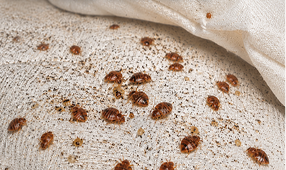
- Bed bugs spread between units and leave tenants with bites, sleepless nights, and questions about when a bed bug infestation may support a lawsuit.
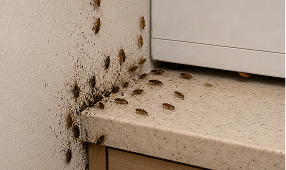
- Cockroaches are linked to asthma and food contamination, especially when a roach infestation in a rental unit keeps returning after complaints or treatment.
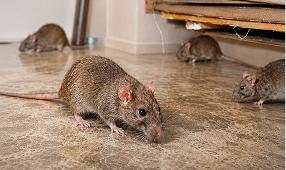
- Rodents chew through structures, contaminate living areas, and can turn a mouse or rat infestation into a serious habitability issue.
- Fleas and other vermin often follow rodent problems and trigger skin reactions.
The pest itself matters less than the pattern around it: serious conditions, clear notice to the landlord, and harm that follows when nobody acts.
Habitability Attorney vs. General Lawyer: The Differences That Decide a Case
⚖Not sure if you have a case against your landlord?
Castelblanco Law Group has helped tenants recover over $350M in damages.
Get a legal case evaluation from Castelblanco Law Group →A general lawyer knows how to file a complaint and read a statute. A habitability specialist lives in this corner of California law every day, and the difference shows up in how the case gets built.
Below is a side-by-side look, followed by the specific areas where specialization changes the result.
| Area | General Lawyer | Habitability Attorney |
| Knowledge of housing and health codes | General familiarity, often researched case by case | Day-to-day command of Civil Code habitability rules and local health codes |
| Proving landlord notice | Treated as one fact among many | Built into the backbone of the case as a dated timeline |
| Documenting unsafe conditions | Standard evidence gathering | Knows which photos, logs, and reports carry weight in habitability claims |
| Expert witnesses and inspectors | Limited network | Established relationships with entomologists, inspectors, and physicians |
| Valuing tenant damages | Risk of undervaluing the claim | Calculates rent abatement, medical costs, and other compensation in full |
Knowledge of Housing and Health Codes
California habitability law is not one rule. It pulls from California landlord-tenant law, local housing codes, and county health regulations, and the specifics shift from one city to the next.
A habitability lawyer already knows which code section applies to a roach infestation in a Los Angeles fourplex versus a rodent problem in an older Oakland building. A general-practice attorney starts that research from zero, and missed provisions weaken a claim before it reaches a judge.
Proving Notice and Landlord Negligence
Most infestation cases turn on one question: did the landlord know, and what did they do about it? Notice is the hinge. A specialist understands that a dated text message, a certified letter, or a logged maintenance request can help show when and how you told your landlord about the problem.
From there, the attorney connects the proof to negligence: the landlord knew, had time to act, and let the danger continue. That chain, from notice to negligence to harm, is what separates a winnable claim from a frustrated complaint.
Documenting Violations and Unsafe Conditions
Evidence wins habitability cases, and not all proof carries the same weight. A photo of a single roach means little. A time-stamped series showing droppings in the kitchen, bites on a child’s arm, and an exterminator’s failed treatment tells a story a judge understands.
A specialist recognizes the difference and steers tenants toward documentation that holds up, rather than the scattered phone photos most people gather on instinct.
Access to Expert Witnesses and Inspectors
Serious infestation claims often need voices beyond the tenant’s. An entomologist confirms the species and how long the colony has been established, a building inspector documents the code violations, and a physician ties the asthma flare-up or the infected bites back to the conditions in the unit.
A habitability specialist keeps these experts on call, while a generalist may spend weeks finding someone willing to testify, if they find one at all.
Maximizing Tenant Damages and Compensation
Compensation in an infestation case adds up across several categories, and tenants who handle it alone often recover far less than the claim is worth. A specialist accounts for the full picture: rent abatement for the months the unit was unlivable, medical bills tied to the infestation, the cost of replacing contaminated furniture, and damages for the landlord’s neglect. A non-specialist might settle for the obvious figure and stop there.
Signs Your Infestation Case Calls for a Specialist
Some infestation problems resolve with a single call to the property manager. Others have escalated to the point where a habitability attorney earns their fee. A few patterns separate a routine pest complaint from a case that needs a specialist.
The Infestation Has Persisted Despite Treatment
You reported the problem, and the landlord sent an exterminator. Weeks later, the roaches are back, or they never left at all. Repeated failed treatment is one of the strongest signs of a habitability violation, because it shows the landlord was aware and still could not, or would not, fix the conditions.
A specialist documents each treatment and each return as part of the negligence timeline.
The Infestation Has Caused Property Damage
Property loss is a genuine cost in many infestation claims. Rodents gnaw through wiring and insulation, and bed bugs force tenants to throw out mattresses and upholstered furniture. When an infestation ruins your belongings, the value of those items becomes part of the claim, and a specialist documents and prices the loss.
The Infestation Has Affected Your Health
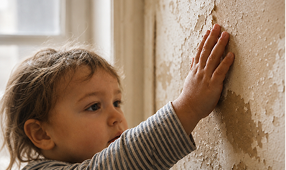
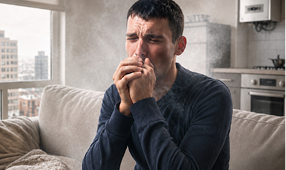
Health harm changes everything about an infestation case. Cockroach allergens trigger asthma attacks, rodent droppings spread bacteria, and flea and bed bug bites lead to infections and lost sleep that wears people down over time.
Once an infestation sends someone to a doctor, the case shifts from a habitability dispute toward a personal injury case, and that is where a specialist’s experience matters most.
Your Landlord Has Failed to Act After Notice
Notice is the turning point in almost every habitability claim. Written notice can help prove the landlord knew about the problem, but liability still depends on the condition, the landlord’s response time, causation, and whether the tenant contributed to the infestation.
A landlord who ignores a documented complaint moves from inconvenient to negligent, and a specialist turns that silence into evidence.
How a Habitability Attorney Builds an Infestation Case
A strong infestation case follows a pattern, even as the details shift with every unit and every landlord. The work moves in a logical order, from the statute itself to the proof of fault and the experts who confirm what the conditions did to the tenant.
Applying California Habitability Law
The foundation is the implied warranty of habitability, which California law reads into every residential lease. Under the state Civil Code, a landlord must keep the unit free of rodents and vermin and address infestations that create unsafe living conditions.
A habitability lawyer matches the facts of your situation to the exact code requirements, so the claim rests on statute rather than on a general sense that something went wrong.
Establishing Notice and Landlord Negligence
Negligence requires proof that the landlord knew and failed to respond. A specialist assembles the record: the first complaint, the dates of every follow-up, the landlord’s replies or silence, and the gap between the warning and any real fix.
Laid out in order, that record shows a landlord who had the chance to protect a tenant and chose not to. The stronger the timeline, the harder it becomes for the landlord to claim ignorance.
Working With Inspectors and Medical Experts
Experts turn a tenant’s account into proof. The specialist brings in an inspector to verify the conditions on the record, and a physician to connect the illness or injury to the unit. The inspection report and the medical records become independent confirmation, so the claim no longer rests on the tenant’s word alone.
A good attorney coordinates this evidence early, before conditions improve or memories fade.
How California Tenants Can Strengthen Their Case
Much of an infestation case is won or lost before a lawyer ever sees it, based on what the tenant saved along the way. You do not need legal training to build a solid foundation. A few habits make a real difference if you ever decide to pursue a claim.
Documenting the Infestation
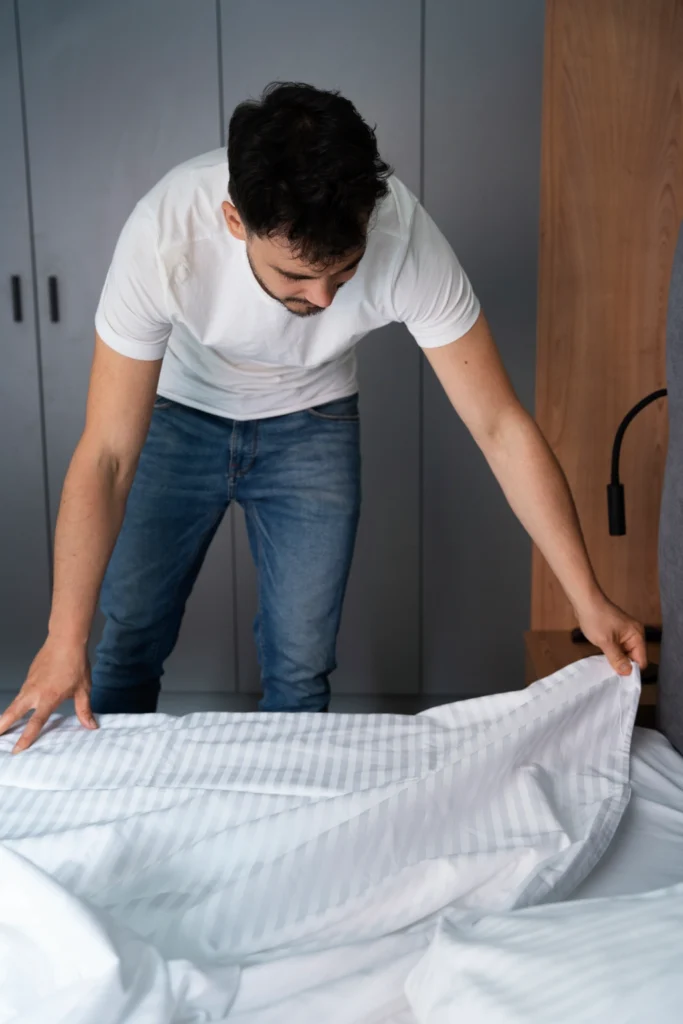
Photos and video are your strongest allies. Capture the pests, the droppings, the bites, and the damage, and make sure each file carries a date. A short written log helps too: note when you first saw the problem, how it spread, and every time it came back after treatment. Specific, dated evidence beats a vague memory every time a case reaches a courtroom.
Preserving Communication With the Landlord
Every message to your landlord is potential evidence, so keep all of it. Save texts, emails, and letters, and put your complaints in writing whenever you reasonably can. A voicemail left at 9 p.m. about a rat in the kitchen, paired with a saved call log, pins down exactly when the landlord learned of the danger. The paper trail is what proves notice later.
Obtaining Inspection Reports and Medical Records
Outside documentation carries weight that personal photos cannot match. If a city inspector visits, request a copy of the report. If the infestation made you or your child sick, keep every medical record that ties the symptoms to the conditions at home. Official reports and medical records give a specialist the independent proof that turns a complaint into a compensable claim.
When to Contact a California Habitability Attorney
The right time to call is earlier than most tenants think. If your landlord has ignored a serious infestation after you gave notice, or if the conditions have hurt your health or destroyed your property, a conversation with a habitability attorney makes sense now rather than later.
Tenants who suffer harm from unsafe living conditions, such as a persistent rodent infestation or a pest problem that triggers serious illness, may have grounds to pursue compensation through a habitability or premises liability claim. The sooner a specialist reviews the facts, the more evidence survives and the stronger the case becomes.
Castelblanco Law Group represents California tenants whose health or safety has been harmed by dangerous rental conditions. If an infestation has crossed that line, reaching out for a case review is a sound next step.
Frequently Asked Questions About Infestation Lawsuits
Why Does the Type of Infestation Matter in a Habitability Case?
Different pests cause different harm. Rodents damage structures and spread disease, while roaches and bed bugs trigger bites and asthma, which shapes your medical proof and your claim’s value.
When Does an Infestation Case Need a Specialized Attorney?
Call a specialist once the infestation persists after treatment, harms your health, damages your property, or your landlord ignores written notice. Those signals point to a real habitability violation.
How Can a Habitability Attorney Help Prove Landlord Negligence?
A specialist builds a dated notice timeline, proves the landlord had warning and failed to act, and links that inaction to your harm to support a compensation claim.
What Evidence Matters Most in an Apartment Infestation Case?
Dated photos, a written log, saved messages to your landlord, inspection reports, and medical records carry the most weight, since they prove both the conditions and the landlord’s neglect.
Can a General Lawyer Handle an Infestation Case?
Yes, a general lawyer can file an infestation claim, but a habitability attorney brings code knowledge, expert contacts, and damage valuation skills that often lead to a stronger result.
Get a Free Case Review. No Fees Unless We Win
Tell us what's happening. One of our tenant attorneys will review your situation and get back to you within 24 hours.

Eric Castelblanco,