








Castelblanco Law Group

CALL NOW • AVAILABLE 24/7 • 1-800-375-0001


Castelblanco Law Group
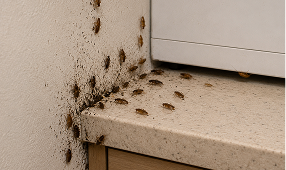
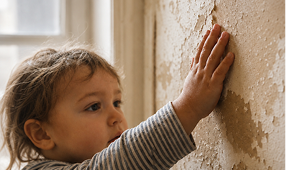
Unsafe living conditions are hazards in a rental home or its shared areas that put tenants at risk of injury or illness. They can involve the building’s structure, electrical systems, sanitation, security, or essential safety equipment.
Examples include:
California housing standards address many of these risks. For example, California Civil Code §1941.1 requires electrical systems to remain in working order and floors, stairways, and railings to be maintained in good repair.
“Unsafe living conditions” is a broad description of hazards. Whether a particular condition also makes a rental legally uninhabitable depends on its seriousness and effect on the home’s livability.
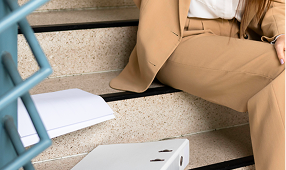
An unresolved hazard can turn an everyday activity into a risk. A tenant may need to use a damaged staircase to reach their apartment or walk through a poorly maintained hallway every day. Safety concerns can extend beyond the unit itself to areas under the landlord’s control.
Reporting hazards before an accident happens gives the landlord an opportunity to address them. Describe the exact location and problem, keep a copy of your report, and take photographs when it is safe to do so. Record whether the condition worsens or returns after repairs.
The California Department of Real Estate’s tenant guide recommends documenting defective conditions and notifying the landlord. For urgent problems, contact the landlord promptly and follow up in writing.
You do not need to wait until someone is injured to ask a lawyer about a serious, unresolved hazard. Legal guidance may help when your landlord ignores reports, disputes responsibility, or repeatedly provides repairs that leave the danger in place.
If someone has already been hurt, a lawyer can examine whether the landlord knew or should have known about the condition, failed to take reasonable action, and caused the resulting harm. Depending on the circumstances, the issue may involve premises liability, habitability, or both.
Castelblanco’s guide to unsafe living conditions lawsuits explains the evidence that may support a claim. Compensation is not automatic simply because a hazard exists.
If there is an immediate threat to safety, move away from the danger and contact the appropriate emergency service before seeking legal advice.