









Castelblanco Law Group

CALL NOW • AVAILABLE 24/7 • 1-800-375-0001


Castelblanco Law Group
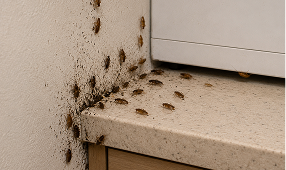
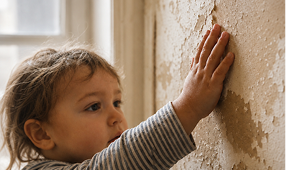
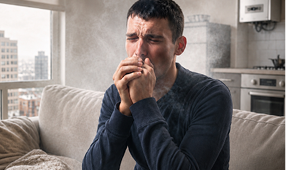
Uninhabitable conditions are serious problems that make a rental home unfit for safe and healthy living. In California, a home may be considered uninhabitable when it substantially lacks essential features or has defects that materially affect tenants’ health and safety.
Examples can include:
California Civil Code §1941.1 identifies several standards used to assess whether a rental is fit to live in.
Not every maintenance problem makes a home uninhabitable. Faded paint or a scratched cabinet generally differs from a leaking ceiling that creates an electrical hazard. The seriousness of the condition and its effect on daily living matter.
These conditions can prevent tenants from safely sleeping, cooking, bathing, or using essential parts of their home. They may also lead to damaged belongings, health problems, or the need for temporary accommodation.
Recognizing a potentially uninhabitable condition helps tenants explain the urgency of a repair request. Report the problem promptly, preferably in writing, and keep photographs, messages, and records of maintenance visits. A local housing or health inspector may also help document violations.
The California Department of Real Estate’s tenant guide explains that legal remedies depend on factors such as the severity of the defect, who caused it, notice to the landlord, and a reasonable opportunity to repair it. There is no single waiting period that fits every situation.
Consider speaking to a California habitability lawyer if serious conditions remain unresolved, attempted repairs fail to address the underlying problem, or your landlord denies responsibility despite repeated reports.
Legal advice is particularly useful if the conditions cause injury, illness, significant expenses, or force you to leave your home. A lawyer can assess the evidence and explain whether you may have a habitability or related claim.
Get advice before withholding rent, deducting repair costs, or ending your lease. These actions have specific requirements and can create legal risks if handled incorrectly. If a condition presents an immediate danger, prioritize getting to safety and contacting the appropriate emergency service.