










Castelblanco Law Group

CALL NOW • AVAILABLE 24/7 • 1-800-375-0001


Castelblanco Law Group
The implied warranty of habitability is a landlord’s legal obligation to provide and maintain a rental home that meets basic health and safety standards. In California, this protection is part of residential rental agreements even when the lease does not expressly mention it.
“Implied” means the obligation exists without needing a written promise. “Habitability” refers to whether the home is safe and suitable to live in. The duty applies when a tenant moves in and continues throughout the tenancy.
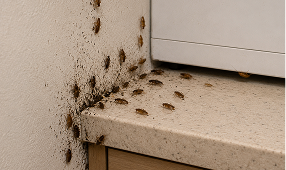
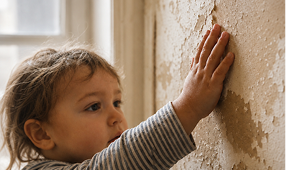
It covers substantial problems affecting livability, such as broken plumbing, unsafe electrical systems, inadequate heating, or serious pest infestations. Minor cosmetic defects generally do not breach the warranty. The California Department of Real Estate’s tenant guide explains this distinction.
This protection gives tenants a legal basis for expecting essential repairs, even if their lease says nothing about the specific problem. California Civil Code §1941 also establishes a landlord’s responsibility to make a rental fit for occupation and repair conditions that make it untenantable.
For example, a failed water heater that leaves a household without hot water may raise a habitability issue. Whether the landlord has breached the warranty depends on the circumstances, including notice of the problem and a reasonable opportunity to address it.
Tenants also have responsibilities, including using fixtures properly and avoiding damage. Responsibility for a condition caused by a tenant, household member, guest, or pet can differ from responsibility for a building defect or neglected maintenance.
Consider speaking to a California habitability lawyer when a landlord leaves serious housing problems unresolved, repeatedly makes ineffective repairs, or disputes responsibility despite documented complaints. Legal guidance is especially useful if the conditions cause injury, illness, financial loss, or force you to leave your home.
A lawyer can assess the condition, your repair requests, the landlord’s response, and the resulting harm. These details help determine whether there may be a breach and which remedies could apply.
Do not assume that a breach automatically allows you to stop paying rent, deduct repair costs, or end your lease. Each option has requirements and risks, as explained in Castelblanco’s guide to landlords refusing to make repairs.