










a

Facebook

Twitter

Copyright 2015 Libero Themes.
All Rights Reserved.

Tenant lawyers in California, United States

Castelblanco Law Group > Tenant lawyers in California, United States

California Rent Increase Notice: Rules, Timelines & Tenant Rights

Home office desk with rent increase notice paperwork, laptop, and coffee cup by a sunny window.

Rent changes can feel sudden, so clear rules matter. This guide explains how a rent increase notice in California works, the required advance notice a landlord must provide, the implications of AB 1482’s rent caps, and how local rent control in cities such as Los Angeles, San Francisco, and Berkeley is implemented.  You will see exactly when a 30-day notice applies, when a longer notice is required, what a valid notice must include, and how to respond if the paperwork contains errors or if you need help from a tenant-rights lawyer to deal with an abusive landlord.  Practical examples, a side-by-side table,...

Continue reading

Month-to-Month Tenant Rights in California: Notices, Rent Increases & Evictions

Documents, laptop, and coffee cup on table symbolizing discuss about tenant rights and rental notices in California.

Month-to-month tenant rights in California establish clear guidelines for notices, rent adjustments, security deposits, and eviction protections. These rules apply whether you are renting a small apartment or a single-family home. Understanding them can prevent costly mistakes and conflicts with your landlord. This guide explains how these agreements work, the notice requirements for both parties before moving, the limits on rent increases under state law, and what constitutes a lawful eviction.  It also covers how to recover a security deposit and what steps to take if your landlord violates your rights, including when you may need to seek help from a slumlord...

Continue reading

30-Day Notice to Landlord in California: Rules, Templates & Tenant Rights

Desk with paperwork and tablet by the window, representing tenant preparing a 30-day notice to landlord in California.

Ending a rental agreement in California requires following strict rules, especially for month-to-month leases. Tenants and landlords must provide proper written notice before a tenant moves out or requests that someone leave. A 30 day notice to landlord California form is the most common tool for this process. In situations involving unsafe or poorly maintained housing, tenants may also seek guidance from a slumlord lawyer to protect their rights and address serious habitability issues. This guide explains when you need to give notice, what to include in the letter, and how to deliver it correctly. You will also find a free...

Continue reading

What to Do if Your Landlord Enters Without Permission in California

Woman tenant worried about privacy and tenant rights in California rental property.

If your landlord enters without warning, it can make you feel unsafe in your own home. This guide explains your rights as a California tenant, including when landlords are allowed to access a unit and the steps you can take to stop repeated intrusions. It also covers practical solutions, from sending written notices to pursuing legal remedies if the problem continues. When an unlawful entry is linked to harassment or poor living conditions, consulting with a slumlord lawyer can be a crucial step in addressing both privacy violations and habitability concerns. As you read, you’ll learn how the 24-hour notice rule...

Continue reading

What Can a Landlord Deduct From a Security Deposit in California? Know Your Rights Before Moving Out

Security deposit money protected with lock and house symbol, illustrating landlord deductions and tenant rights in California.

Moving out of a rental home often comes with questions about what will happen to your security deposit. Many tenants don’t know what landlords can legally deduct or must return.In California, the law provides renters with clear protections and guidelines for security deposits. Knowing the rules helps you avoid surprise charges and plan a smooth move-out. This guide shows what landlords can deduct, what counts as wear and tear, and how to fight unfair charges. In cases involving harassment, unsafe conditions, or repeated violations, speaking with a slumlord lawyer can help you address both deposit disputes and broader issues with your...

Continue reading

Disabled Renters’ Rights in California: What Landlords Must Do (and Can’t Do)

Woman in wheelchair filling out rental paperwork, representing disabled tenants’ rights and housing accessibility.

In California, FEHA gives disabled renters broader protections than federal law. Landlords must engage in a good‑faith interactive process, allow reasonable accommodations and modifications, can’t charge pet fees for assistance animals, and can’t retaliate if you assert your rights. Finding a place to live shouldn’t depend on whether someone has a disability. Yet many renters still face barriers that violate their legal rights. If you’re unsure what landlords can or can’t do—or when to involve a tenant lawyer—this guide will walk you through your options. The rights of disabled renters are protected under both federal and state laws that guarantee equal access,...

Continue reading

How Landlords Check Your Rental History Before Approving You

Magnifying glass over house icon next to keys, representing landlord review of rental history before lease approval.

If you’re getting ready to apply for a new apartment, one of the first things a landlord may check is your rental history. Similar to a credit report, it helps them assess your reliability as a tenant. So, what exactly do landlords see, and how can you ensure your rental history works in your favor? In this guide, you'll learn what rental history reports include, how landlords check them, and what to do if you’re renting for the first time or if there are issues in your record. You’ll also get insights from the perspective of an experienced tenant lawyer, including...

Continue reading

How to Tell If Your Landlord Is Retaliating Against You in California

Tenant signing rental agreement while landlord or property manager holds house keys.

If your landlord suddenly raises the rent or ignores vital repairs, you might be experiencing illegal retaliation. California law protects tenants from these actions, giving renters the right to assert their legal protections without fear. This guide will help you recognize landlord retaliation, understand your rights, and take practical steps to protect your housing. If the situation escalates, speaking with a slumlord attorney may be the best way to hold your landlord accountable and safeguard your home. What Landlord Retaliation Means in California Landlord retaliation means a landlord takes negative steps after a tenant uses their legal rights. The protections exist to...

Continue reading

How Much a Landlord Can Raise Rent Under California Rules

A man signing a rental agreement on a clipboard with apartment keys nearby, while two women stand in the background, suggesting a landlord-tenant interaction related to rent terms.

If you’re renting in California, you already know how stressful unexpected rent hikes can be. Under the Tenant Protection Act of 2019 (AB 1482), most landlords must limit annual increases to 5 percent plus regional CPI—and only once every 12 months. Yet, exemptions, varying notice rules, and local ordinances can complicate the picture. Whether you’re facing a surprise notice or weighing your options, guidance from established tenant lawyers can make all the difference.  In the following text, we’ll explain statewide caps, calculate allowable hikes, cover notice requirements, highlight exempt properties, detail city-specific limits, and show you how to challenge unlawful increases....

Continue reading

Your Rights if Your Building Is Sold or Foreclosed

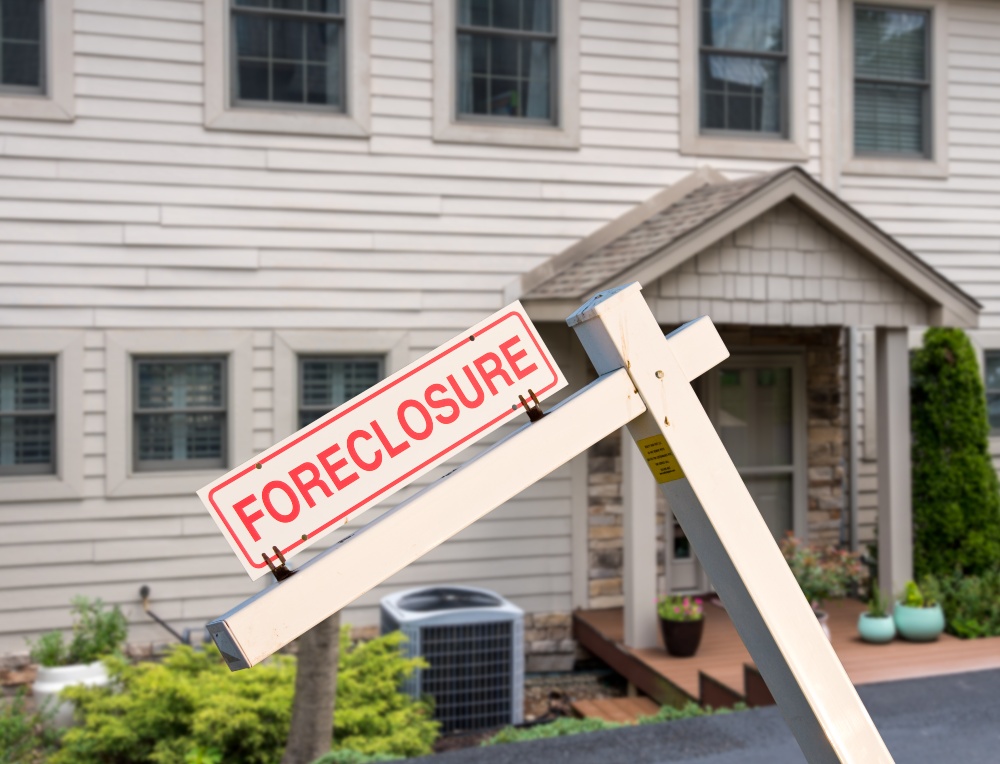
how long can tenant stay in foreclosed property

When a landlord faces foreclosure, tenants are often left with more questions than answers. The situation can feel uncertain, but you're not powerless. Understanding your rights as a renter during foreclosure is essential — and in many cases, the law is on your side. In this guide, we’ll walk through what foreclosure means for tenants, what protections federal law provides, how long you can legally stay, and how to handle lease agreements, security deposits, and potential cash offers from new owners. If you're unsure about your situation, speaking with a tenant lawyer can provide clarity. And if your building is going...

Continue reading