









Castelblanco Law Group

CALL NOW • AVAILABLE 24/7 • 1-800-375-0001


Castelblanco Law Group
Lead poisoning occurs when lead enters and accumulates in the body. In rental housing, exposure may come from deteriorating lead-based paint, contaminated dust or soil, old plumbing, or unsafe renovation work.
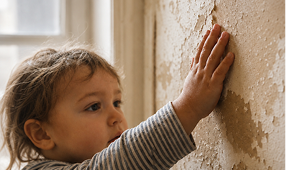
Lead-based paint is most commonly associated with homes constructed before 1978. Paint that remains intact does not necessarily create an immediate hazard, but peeling, chipping, cracking, or disturbed lead-based paint can release dangerous paint chips and dust.
Many people exposed to lead do not initially show obvious symptoms. A blood lead test is the primary way to determine whether someone has been exposed.
Federal law requires landlords and property managers to provide information about known lead-based paint and lead hazards before tenants sign leases for most housing built before 1978. They must also provide available lead-related reports and an approved informational pamphlet. Certain properties are exempt from these requirements. The EPA explains the disclosure requirements for rental housing.
Lead exposure is particularly dangerous for young children because their brains and bodies are still developing. The CDC states that no safe blood lead level in children has been identified. Even low levels may affect learning, attention, behavior, and development. Pregnant people and their unborn children may also face serious risks from exposure. Read the CDC’s overview of childhood lead poisoning.
Possible warning signs and reasons to investigate a rental property include:
A blood lead test can confirm that lead is present in the body, but it does not identify the source of exposure on its own. Testing the property and reviewing other possible sources may be necessary.
Tenants who suspect lead should contact a healthcare provider and report the property condition to the landlord in writing. They should avoid sanding, scraping, or otherwise disturbing suspected lead-based paint. California residents can also find information about testing a home for lead through the California Department of Public Health.
A tenant may want to speak with a lawyer experienced in lead-related rental housing claims when:
Landlord responsibility depends on factors such as the property’s age, the source of exposure, prior knowledge, notice, repair efforts, medical evidence, and the connection between the housing condition and the tenant’s harm.
Tenants should preserve photographs, inspection reports, lease disclosures, written complaints, medical records, blood test results, repair records, and receipts for related expenses.