
















Losing someone is hard enough without a landlord calling about keys, rent, and move-out dates within days of the funeral. Knowing what happens when a tenant dies in California gives a family room to answer carefully instead of agreeing to something while still in shock.
For some families, a harder question arrives later. Was the death caused by something in the unit itself? Landlords are required to keep rental properties safe, and when they don’t, the consequences can be fatal. Some of the most common hazards tied to tenant deaths include:
- Carbon monoxide poisoning: from a faulty furnace, water heater, or blocked vent, often made worse by a missing or non-functioning CO detector
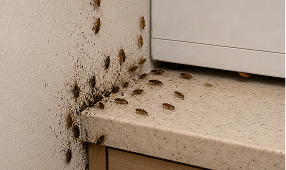
- Rodent or pest infestations: which can spread hantavirus, salmonella, and other diseases, particularly dangerous for elderly tenants or those with compromised immune systems
- Toxic mold exposure: from unresolved water leaks or moisture damage
- Faulty electrical wiring: a leading cause of fatal apartment fires
- Broken locks, gates, or security systems: that leave tenants exposed to preventable violence
- Unrepaired structural hazards: broken stairs, railings, or balconies
If a landlord knew about one of these conditions because it was reported, inspected, or simply obvious, and failed to fix it, the family may have grounds to examine whether the property owner failed to keep the building reasonably safe. Premises liability is the area of law covering harm caused by a dangerous condition on someone’s property, and when that harm results in death, it can also give rise to a wrongful death claim.
Castelblanco Law Group does not handle routine probate, lease, or personal-property disputes. The firm’s role begins when evidence suggests that unsafe rental conditions may have contributed to serious injury or death.
Who Is Responsible for What After a Tenant Dies in California
A tenant’s death does not affect every rental agreement in the same way, which catches most families off guard. A fixed-term lease generally continues, while a month-to-month or other periodic tenancy follows a different rule once the landlord receives notice of the tenant’s death. The death alone does not allow the landlord to dispose immediately of property left in the unit.
Responsibility usually breaks down like this:
- The estate may remain responsible for rent and other obligations under a fixed-term lease, while a periodic tenancy follows a separate rule after notice of the death.
- After the tenancy has terminated and the premises have been vacated, the landlord generally must follow California’s written notice procedures before disposing of personal property left behind.
- Surviving co-tenants remain bound by the lease terms they signed.
- Family members who were never on the lease generally have no automatic right to take over the tenancy, though the lease, local law, or their authority through the estate may affect their position.
The responsibilities above govern the tenancy, rent, and belongings. A separate question arises when a reported hazard, such as a severe cockroach or rodent infestation, carbon monoxide exposure, or a dangerous unrepaired condition, may have contributed to the death. That is where habitability, premises liability, and wrongful death law may become relevant.
The First Days: What Families Need to Handle
⚖Not sure if you have a case against your landlord?
Castelblanco Law Group has helped tenants recover over $350M in damages.
Get a legal case evaluation from Castelblanco Law Group →In the first week, most families are arranging a funeral and answering a landlord at the same time. Not every lease or estate question has to be resolved immediately, though some deadlines and practical decisions need to be made quickly. Time spent documenting the unit, gathering records, and confirming who holds authority over the estate is necessary.
Notifying the Landlord and Confirming Coroner Information
Tell the landlord in writing, by email or text, that the tenant has died. A brief message with the date and your contact details is usually enough for a first notice. Nobody needs to speculate about the cause of death or about responsibility in that first exchange. A phone call leaves no record of what was said or when, which matters if a disagreement develops weeks later.
Coroner involvement is not automatic. California law requires certain deaths to be reported to the coroner, including deaths that appear sudden, unattended, or connected to an unknown cause. If a coroner does open a file, write down the case number while you have it.
Entering the Unit and Securing Personal Belongings
Being related to the tenant does not by itself give someone authority to enter the unit or remove belongings. Access may depend on the lease, other occupants, the landlord’s agreement, and who holds authority over the estate.
Access in the first days is often informal, and that informality can cause issues in the future. A property manager who lets you in without a written record may later dispute what was removed. Photograph the unit before anything is taken out, and include rooms nobody plans to touch.
Ask the landlord to confirm access arrangements in writing. Relatives sometimes disagree afterward about what was in the apartment, and a clear set of photographs can reduce confusion later.
Documents to Gather in the First Days
Both the landlord and the probate process run on documents, and the same handful comes up repeatedly:
- Certified copies of the death certificate, usually several
- The lease or rental agreement, with any addenda
- Rent receipts, ledgers, and payment records
- Correspondence with the landlord or property manager
- Documents showing who has authority to act for the estate
Gathering these documents early saves time and energy as the process continues.
Tenancy After the Death of a Tenant: What California Law Says
The effect of a tenant’s death depends largely on whether the tenant had a fixed-term lease or a periodic tenancy. California generally treats those two arrangements differently.
How a Death Affects the Lease
A residential fixed-term lease does not ordinarily terminate automatically when the sole tenant dies. The estate may remain responsible for rent through the remaining term, although the landlord generally must make reasonable efforts to re-rent the unit and reduce avoidable rental losses.
A month-to-month or other periodic tenancy follows a different rule. Once the landlord receives notice of the tenant’s death, the tenancy is treated as terminated under California Civil Code section 1934. Termination falls on the 30th day after the tenant’s last rent payment before death. No separate 30-day termination notice is required.
When One of Several Tenants on the Lease Dies
Where two or more people signed the lease, the surviving tenants remain bound by it. Their obligation to pay the full rent typically continues, since most residential leases make co-tenants jointly responsible for the whole amount rather than for individual shares. Whether the tenancy can be changed afterward depends on the lease terms and the landlord’s willingness to renegotiate.
Rent, Notice, and the Estate
Rent owed under a fixed-term lease may become a claim against the estate, subject to the lease terms and the landlord’s obligation to reduce avoidable losses. Where the tenancy was periodic, no written notice from the estate is needed to end it.
Security deposit questions follow the ordinary rules and are handled between the landlord and whoever represents the estate.
The Legal Process for Belongings Left in the Unit
After the tenancy has terminated and the premises have been vacated, a landlord generally must give written notice before disposing of personal property left in the unit. California’s procedure sets a response window that generally runs at least 15 days when the notice is handed over in person and at least 18 days when it is mailed. The notice has to describe the property well enough for someone to recognize it and explain how to claim it.
What the landlord may do after that window depends on the property’s total value. If the landlord reasonably believes the total resale value is less than $700, the property may be retained, sold, or disposed of once the notice period passes. Property valued at $700 or more generally has to go through the statutory public-sale process, with the proceeds handled as the statute directs.
Does a Landlord Have to Disclose a Death in California?
California law addresses this directly, and disclosure depends largely on when the death occurred. The rule protects prospective renters and buyers rather than a deceased tenant’s family.
The Three-Year Disclosure Rule
An owner or agent must disclose a death and the manner of death when it occurred on the property within the previous three years and the property is being offered for rent or sale. Once more than three years have passed, the statute no longer requires disclosure of the death or the manner of it.
What the Rule Does Not Require a Landlord to Disclose
The statute does have an exception when it comes to health information. An owner or agent is not required to disclose that a previous occupant had, or died from, HIV or AIDS, regardless of when it happened. For a death that occurred more than three years before the offer to rent or purchase the property, the owner or agent is not required to disclose either the death or its manner. However, if a prospective renter or buyer specifically asks about a death at the property, the owner or agent may still be liable for knowingly providing false information.
What Prospective Renters Can Ask Before Signing
Direct questions get better answers than general ones. Prospective renters can ask whether a death occurred in the unit within the last three years, whether the unit has open code violations, and whether the building has a recent inspection history. A written answer can be easier to document later than one given orally during a showing.
When a Death May Be Connected to Unsafe Housing Conditions
In many unsafe-housing cases the same pattern appears: a serious problem was reported, sometimes repeatedly, and the underlying condition was never corrected. Habitability is the legal requirement that rental housing be kept safe and fit to live in, and whether a particular condition carries legal weight depends on facts such as severity, notice, duration, evidence, harm, and how the landlord responded.
However, many deaths in rental units have nothing to do with the building. Certain hazards and certain histories of complaints make this worth examining.
Infestations, Lead Exposure, and Carbon Monoxide
Severe infestations can create more than sanitation problems. EPA guidance explains that cockroach allergens can trigger asthma symptoms, while CDC guidance notes that rodents can spread disease through contaminated air, food, and materials. If a tenant died after an asthma attack or infection, investigators would still need medical and coroner records to determine whether exposure in the unit contributed. The presence of an infestation alone does not establish causation.
Lead is treated as especially dangerous for young children. According to CDC guidance on childhood lead exposure, no safe blood lead level in children has been identified, and even low levels are linked to developmental delays and learning difficulties. Homes built before 1978 are more likely to contain lead-based paint, which creates exposure risk when the paint deteriorates or produces dust. The age and condition of the building may matter in any investigation.
Carbon monoxide is another noteworthy hazard. The gas is colorless and odorless, and CDC guidance on carbon monoxide poisoning warns that people who are asleep can die before any symptoms appear. Faulty fuel-burning appliances and blocked vents create that risk, while missing or nonworking detectors may leave everyone in the unit without an early warning. Those conditions may be relevant when investigating a suspected carbon monoxide exposure inside a rental unit.
Medical causation is a separate question from legal responsibility. Physicians and pathologists determine the medical cause of death. An attorney evaluates the possible legal responsibility.
Dangerous Property Conditions and Ignored Repairs
Physical hazards can also cause serious harm. Broken stair treads, missing handrails, nonworking stairwell lighting, unstable balconies, and defective appliances can create serious safety risks. A landlord’s responsibility may extend to dangerous conditions the landlord knew about or should reasonably have discovered and corrected.
When Earlier Complaints May Matter
A complaint made months earlier may become one of the most important documents in the file. Prior notice can be key to showing what the landlord knew and how the landlord responded. Knowledge may also be established through inspections, recurring conditions, building-wide complaints, or facts the landlord reasonably should have discovered. Maintenance requests, text threads, code enforcement referrals, and complaints from other units all help build the timeline.
Evidence That Can Support a Habitability or Wrongful Death Claim
Evidence of unsafe conditions disappears fast, and usually before a family has had a chance to think about these legal questions at all. Units get cleaned. Repairs finally get made after months of requests. Records preserved in the first weeks may give an attorney a clearer picture of the conditions and what happened. That evidence is what allows an attorney to test whether a reported infestation, toxic exposure, or unrepaired hazard is actually connected to the death, rather than simply present in the unit.
Photographs, Video, and the Condition of the Unit
Photograph and film the unit as is, before anything is cleared or repaired. Take wide shots of the room and close shots of details. Photograph cockroaches, rodent droppings, nesting material, contaminated food or belongings, pest entry points, and any traps or treatment notices. A visible date can help show how, where, and when the condition existed. Other details to photograph include:
- Appliances and heating equipment, including model and serial plates
- Smoke and carbon monoxide detectors, including any that are missing or disconnected
- Windows, doors, vents, and damaged fixtures
- Every area where a hazard was reported, whether or not it was repaired
Written Complaints, Inspection Reports, and Repair Records
Assemble every written exchange with the landlord or property manager. Alongside those, gather:
- Maintenance requests and work orders
- Receipts and reports from pest control or repair contractors
- Inspection reports and code enforcement records for the building
- Any notices the landlord served during the tenancy
Lead inspection and risk-assessment reports can help document whether hazards were identified and where they were found, which matters in childhood lead poisoning claims. Relevant city or county agencies may hold inspection, testing, or code-enforcement records that a family can request.
Medical, Coroner, and Emergency Response Records
Medical records, hospital discharge paperwork, coroner findings, and emergency response reports detail what happened and when. Readings taken at the scene may help document the conditions responders encountered during a suspected incident, which is central to carbon monoxide exposure cases involving rental units. Families can request these records, though the process and timing vary by agency and by who is asking.
What Neighbors and Other Tenants Reported
Building-wide problems can produce evidence beyond a single unit. Neighbors who reported the same hazard or noticed conditions in shared areas may have useful information. Collect their names and phone numbers while they still live in the building, as tenants may move and memories can fade.
Wrongful Death and Premises Liability Claims Involving Unsafe Rental Housing
Where an unsafe rental condition may have contributed to a death, the legal analysis may extend beyond tenancy issues to negligence, meaning a failure to use reasonable care. California frames those claims around what the landlord knew, what the landlord did about it, and what the evidence can show.
When a Landlord May Be Liable for a Tenant’s Death
An attorney reviewing one of these matters considers a set of questions. Did the landlord own or control the property? Was there a dangerous condition, and did the landlord know about it or have reason to know? Were reasonable steps taken once the problem was known, and did the failure to act contribute to the death and to legally recognized losses?
The outcome depends entirely on the specific facts and the evidence available to prove them. Evaluating those facts is central to how our attorneys approach every California premises liability case we handle.
Who Can Bring a Wrongful Death Claim in California
California law identifies who may bring a wrongful death claim, and the decedent’s personal representative may assert the claim on their behalf. The eligible group includes a surviving spouse or registered domestic partner, children, and descendants of deceased children. If the person has no surviving descendants, the people who would inherit under California law when there is no will may qualify instead. Certain dependent parents, stepchildren, minors, and putative spouses, meaning someone who believed in good faith that the marriage was valid, may also qualify where specific conditions apply.
A separate survival claim may address losses the person sustained before death. It may be brought by the estate’s personal representative or, where there is none, by the decedent’s successor in interest.
What Families May Be Able to Seek Through a Claim
Compensation is part of a claim, but pursuing it can also bring accountability, evidence and clarity. The legal process may also help a family obtain and evaluate records or testimony relevant to what happened and to what the landlord knew.
Depending on the facts, wrongful-death damages may include funeral and burial expenses, lost financial support or household services, and the loss of love, companionship, care, assistance, and guidance. A related survival claim may address certain losses the deceased person incurred before death, such as medical expenses. Availability and amount depend on the facts and the law.
How Deadlines and Evidence Affect a Claim
California generally applies a two-year deadline to wrongful death claims. The period runs from the date of death. Shorter deadlines apply in some situations, including claims involving a public entity, where a government claim generally must be presented within six months. Because evidence in a rental unit degrades so quickly, the practical window for investigating is often much shorter than the legal one.
When to Talk to a California Habitability and Wrongful Death Attorney

Not every death in a rental unit leads to a legal claim, and no attorney can tell a family they have a case before reviewing the facts. What an early conversation does is separate the tenancy issues from the safety issues, and identify what evidence still exists before it is gone.
Castelblanco Law Group has represented California tenants and families in serious habitability matters since 1997, including injuries and deaths that may be connected to unsafe rental housing. We review cases involving severe cockroach and rodent infestations, lead exposure, carbon monoxide poisoning, and other dangerous property conditions when the evidence suggests they may be connected to serious injury or death. Our Spanish-speaking legal team works with clients in the language they are most comfortable in. Our firm does not handle routine probate, lease, or personal-property matters.
A first conversation is simply a review, not a commitment. We’ll listen to what was happening in the apartment, look closely at the conditions and any complaints that were raised, and let you know whether the matter falls within our practice. If it does, we’ll walk you through what gathering evidence involves and what the next steps look like.
FAQs About a Tenant’s Death in California
How Long Does a Family Have to Clear Out the Apartment?
There is no single statewide deadline. Timing depends on the tenancy, estate authority, and the landlord’s notice, which generally allows at least 15 days to claim property.
Can a Family Member Take Over the Lease After a Tenant Dies?
Usually no. A relative who never signed the lease generally has no automatic right to take over the tenancy, though the lease, local rules, or the landlord may allow it.
What Happens if the Tenant Died With No Known Family or Emergency Contact?
The county public administrator may step in to handle the estate. The landlord still has to follow California’s written notice procedures before disposing of anything left in the unit.
Can a Landlord Charge Rent for the Time It Takes to Clear the Unit?
Clearing the unit does not pause rent by itself. Under a fixed-term lease, rent may continue as a claim against the estate, subject to the landlord’s duty to re-rent.
Get a Free Case Review. No Fees Unless We Win
Tell us what's happening. One of our tenant attorneys will review your situation and get back to you within 24 hours.

Eric Castelblanco, Attorney/Founder
Eric Castelblanco, founder and managing attorney of Castelblanco Law Group, APLC, has championed tenants' rights for over two decades and has secured over $350 million in verdicts and settlements.
Castelblanoc Law also specializes in every aspect of personal injury accident cases, deliveri...