













You may be able to sue your apartment complex for unsafe living conditions when the owner or manager knew or should have known about a serious condition, had a reasonable chance to correct it, and the failure caused injury, illness, property loss, or other legally recognized harm. The condition alone rarely decides it. What usually matters is what the complex was told, how long the danger sat there, and what it cost the people living with it.
Most tenants in that position have already done the obvious things. They filed a maintenance request, waited, followed up, and got a promise that never turned into a repair. Somewhere in the next few months, the question shifts from when will they fix this to whether anyone can make them. That is the point at which California slumlord and habitability attorneys usually hear from a family. Unfortunately, the success of a case often depends on details most people never thought to write down.
What Counts as Unsafe Living Conditions in a California Apartment
“Habitability” is the legal requirement that rental housing be kept safe and fit to live in. California Civil Code section 1941.1 sets out the statutory baseline a residential rental must meet. Lease terms waiving a tenant’s rights are generally void, although California law permits limited written repair or maintenance agreements. Whether a specific problem crosses the line depends on facts such as severity, how long it lasted, whether the complex was notified, and what happened to the people in the unit.
Tenants tend to describe the problem before they know the legal word for it. The conditions that most often raise habitability questions in apartment buildings include:
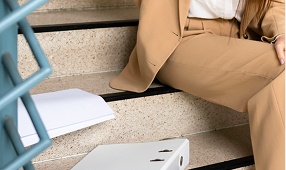
- Broken stair treads, missing or loose handrails, and walkways that have crumbled or collapsed
- Structural damage to ceilings, floors, or balcony decking, including soft spots and visible sagging
- Exposed wiring, scorched outlets, or a panel that trips repeatedly without being inspected
- A elevator left in service after repeated breakdowns or sudden drops
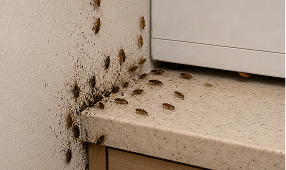
- Cockroach or bed bug infestations that return within weeks of every treatment
- Rodent activity in walls, cabinets, or shared spaces that the complex treats as a nuisance rather than a hazard
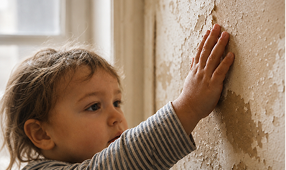
- Deteriorating paint in a building constructed before 1978, where lead dust becomes a risk to young children, according to CDC guidance on childhood lead poisoning
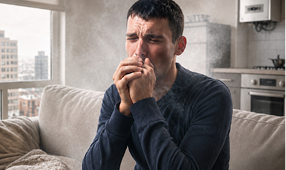
- Faulty gas appliances or blocked venting, which the CDC guidance on carbon monoxide poisoning identifies as a source of an odorless gas that causes sudden illness
California’s habitability standards also reach everyday essentials such as heating, plumbing, and hot water. Problems of that kind can also create unsafe or uninhabitable conditions and may support a claim depending on their severity, duration, notice, and resulting harm.
Who You Are Actually Suing: Owner, Management Company, or Both
⚖Not sure if you have a case against your landlord?
Castelblanco Law Group has helped tenants recover over $350M in damages.
Get a legal case evaluation from Castelblanco Law Group →The phrase “apartment complex” usually refers to the property rather than the legal person or company responsible for it. Behind it usually sit two or three separate parties, and identifying the right one early shapes everything that follows.
The legal owner may be an LLC or partnership whose name is less familiar than the name used by the apartment community. A property management company may handle leasing, rent collection, maintenance, and repairs on the owner’s behalf. On-site managers and maintenance staff may work for the management company rather than directly for the owner.
Responsibility tends to follow control. An owner who deferred a known structural repair for budget reasons and a management company that closed maintenance tickets without dispatching anyone may both have failed the same tenant, and a claim can name more than one of them. Your lease names the parties you signed with, county property records identify the legal owner, and correspondence shows who was actually making decisions about repairs. Sorting that out is ordinary early work in a case, not something a tenant has to solve before asking for help.
When Unsafe Conditions Support a Claim Against Your Apartment Complex
Not every housing problem supports the same type of legal claim, but serious unresolved conditions may create legal rights depending on the facts. The required elements depend on the claim. Negligence generally requires duty, breach, causation, and damages, while habitability and nuisance claims use different legal tests. Each piece is fact-specific, which is why two tenants with similar complaints can end up in very different positions.
The Property Owner’s Duty to Keep the Building Safe
A residential property owner owes tenants a duty of reasonable care over the unit and the shared areas of the building. Stairwells, walkways, parking structures, laundry rooms, and elevators fall inside that duty, not outside it. The obligation does not disappear because a management company was hired, and tenants do not lose their rights because of how a repair request was communicated.
Notice and a Reasonable Chance to Repair
Evidence showing when and how the owner or management company learned about the condition can be an important part of a claim. A complex that was told in writing about a cracked stair tread in March and did nothing by August is in a different position from one that learned about a hazard the day before an accident. Written notice is generally easier to document than a phone conversation because an email, text, or portal ticket creates a dated record of what was reported.
Notice can also be constructive. Where a hazard was obvious, had been reported by other residents, or appeared in an inspection report, a court may find the complex should have known about it even without a complaint from you.
Harm Connected to the Condition
The frustration and disruption caused by unsafe housing are real, although a legal claim usually also requires an injury, illness, financial loss, or another legally recognized form of harm. A negligence claim requires legally recognized harm caused by the condition, but habitability and nuisance claims may also involve property damage, rent-related loss, or substantial interference with the use and enjoyment of the tenancy. A fall on a stair that had been reported twice, elevated blood lead levels in a child living around deteriorating pre-1978 paint, or emergency treatment following a carbon monoxide alarm may help connect a specific condition to documented harm. Whether that connection holds up depends on medical evidence and on the facts an attorney can review with you.
Suing an Apartment Complex for Negligence: What Has to Be Proven
Negligence means a failure to use reasonable care. In a housing case the label matters far less than the conduct behind it, so describing what the complex actually did, and when, does more work than the legal term ever will. Proving it means showing the hazard existed, that the complex knew or should have known, that a reasonable owner would have acted, and that the failure to act caused the harm.
What Negligence Means When a Property Owner Ignores a Hazard
Reasonable care is measured against what a careful property owner would have done in the same situation. Closing a stairwell until it could be repaired, calling an electrician after the second scorched outlet, or taking an elevator out of service after a sudden drop are all ordinary responses. If a complaint was marked as resolved without anyone inspecting or repairing the hazard, that record may raise questions about whether the response was reasonable.
Injuries From Broken Stairs, Railings, and Walkways
Falls in shared areas are one common type of rental-property injury claim. A tread that has worked loose, a handrail that pulls away from the wall, a walkway light that has been dark for months, or a balcony rail with visible rot can each turn a routine trip down the stairs into a fracture or a head injury. A paper trail can help establish that the owner or management company knew about the defect before someone was hurt.
Injuries From Faulty Wiring, Fires, and Building Equipment
Electrical and building-equipment failures can cause serious injuries, fires, and property damage. A fire traced to wiring the complex never inspected, burns from an outlet that had been reported as sparking, or an injury inside an elevator kept running after repeated malfunctions all raise the same question: what did the complex know, and what did it choose to do about it? Fire reports, repair invoices, and inspection histories can provide important independent evidence of what happened and whether earlier warning signs existed.
Where an Injury Claim and a Habitability Claim Differ
Readers often use the two ideas interchangeably. A habitability claim focuses on a rental that was not kept safe and livable, while an injury claim focuses on harm a person suffered because of a dangerous condition. For example, both claims may apply when evidence links an injury or illness to a serious infestation or lead hazard. Which theory fits depends on the facts, and an attorney can explain how each applies to your situation.
Documents and Photos to Gather Before You File
Evidence gathered early is almost always stronger than evidence reconstructed later, and most of what matters is already sitting in a phone or an email account. The table below sets out what to collect and why each item carries weight.
| What to gather | Why it matters |
| Dated photos and video of the condition, taken more than once over time | Shows the hazard existed, and that it persisted rather than appearing overnight |
| Written repair requests, portal tickets, texts, and emails | Helps establish what was reported, when it was reported, and whether the owner or agent received notice |
| Any replies, work orders, or repair invoices from the complex | Shows what was promised, what was done, and how long it took |
| Medical records, discharge paperwork, and bills | Documents the treatment, diagnosis, reported history, and cost; additional evidence may be needed to establish causation |
| Inspection or code enforcement reports | Independent confirmation from someone with no stake in the outcome |
| Names and contact details of neighbors with the same problem | May show a building-wide pattern; evidence that neighbors also reported the condition may help establish notice |
| Your lease and any addenda | Identifies the parties and the responsibilities each accepted |
Documentation of exposure matters in the same way for illness cases, which is why lead exposure claims against a landlord usually rely on blood test results and inspection history rather than on photographs alone.
How to Sue an Apartment Complex in California
Filing a lawsuit is rarely the first step, and it is not always the right one. Most claims move through notice, documentation, and an attorney review long before anything is filed, and many resolve without a courtroom. The broader question of how to sue your landlord in California covers the general routes available to tenants, while the two points below matter most for an apartment complex specifically.
Reporting the Condition and Putting the Complex on Notice
Put every complaint in writing, even when you have already raised it in person, and keep a copy of what you sent. Local code enforcement and county health departments can inspect and issue citations, and their reports become useful third-party evidence regardless of what happens next. Reporting a hazard is a documentation step and a safety step, and California law may protect tenants from retaliation for reporting hazards or exercising tenant rights when the statutory requirements are met, although a landlord may still act for a lawful, nonretaliatory reason..
Deadlines That Can End a Claim
California imposes deadlines for bringing legal claims. Personal injury claims generally follow a different timeline from claims involving a lease or breach of the warranty of habitability, while exposure cases may be more difficult to date because symptoms can appear later. The applicable deadline depends on the facts and may be affected by exceptions, so tenants should have the timing reviewed as soon as possible.
What a Claim Can Cover Beyond Medical Bills
Compensation is money that may be sought or recovered for legally recognized harm, and the amount always depends on the facts and the law. Legal representation may also help tenants understand their rights, organize evidence, pursue accountability, and determine what steps are available. The table below sets out what a claim may address.
| What a claim may address | What that looks like in practice |
| Medical treatment | Emergency care, follow-up appointments, testing, therapy, and ongoing treatment linked to the condition |
| Property loss | Belongings, furniture, or clothing damaged or destroyed by the condition |
| Lost income | Time away from work for treatment, recovery, or a child’s medical appointments |
| Temporary housing | Costs incurred where a unit became unsafe to occupy |
| Court-ordered relief | When legally available, an injunction, abatement order, or repair order addressing unsafe conditions |
| Other proven damages | Additional legally recoverable losses caused by the condition, depending on the claims and evidence |
Building-wide problems often affect several units at once, which is one reason cockroach infestation claims in California frequently involve more than one household in the same complex.
Talk to a California Habitability and Premises Liability Attorney
Castelblanco Law Group has represented California tenants and families in serious unsafe-housing matters since 1997, with a Spanish-speaking legal team that works with clients in the language they are most comfortable in.
Tell our team what is happening in your apartment. We can review the facts, explain whether the matter falls within our practice, and discuss possible next steps in English or Spanish. Whether the matter may support a claim depends on the details. After reviewing the condition, notice, evidence, and harm, an attorney can explain where you stand and what options may be available.
Frequently Asked Questions
How much does it cost to sue an apartment complex?
Costs depend on the type of claim, the court, and how the matter resolves, so no accurate figure exists in advance. Ask any firm directly how it handles costs.
Do I sue the apartment complex or the property management company?
The property owner, management company, or both may be responsible, depending on who controlled the property and the response to the condition. The owner and the management company can share responsibility, and identifying the right parties is early work in a case.
Does it matter that I only reported the problem by phone?
Yes. Written reports are far easier to prove. Follow up in writing now, referencing the earlier calls by date, and keep a copy of what you send.
What if other units in my building have the same problem?
Reports from several units can help show that the owner or management company knew or should have known about the condition. Some building-wide problems may affect the rights of multiple households.
Can I still bring a claim after I move out?
Often yes, depending on the deadline that applies and how well the conditions were documented. Moving out does not erase harm that already happened.
Get a Free Case Review. No Fees Unless We Win
Tell us what's happening. One of our tenant attorneys will review your situation and get back to you within 24 hours.

Eric Castelblanco,