



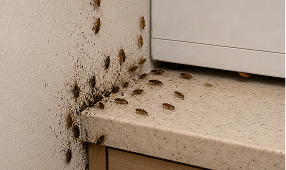


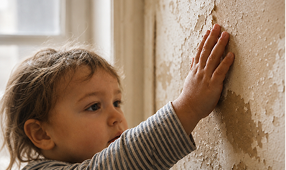









About one in four Californians speaks Spanish at home. When something serious goes wrong, a fall on a broken staircase, a child sick from lead paint, a roach infestation no one will fix, the legal process should not feel like a second language barrier on top of everything else.
Working with a lawyer who handles serious injury and unsafe housing cases in Spanish from intake through resolution changes how much you understand, how accurately your story gets told, and how confident you feel about every decision.
Why Spanish-Speaking Legal Representation Matters in California
For Spanish-speaking Californians dealing with a serious injury or unsafe living conditions, language access shapes how the case unfolds at every stage.
Clearer Rights, Deadlines, and Legal Options
California law gives injured residents specific protections, and most come with strict deadlines. The statute of limitations for many California personal injury claims is two years, but shorter notice deadlines can apply, including a six-month government-claim deadline when a public entity may be responsible.
Missing a deadline can seriously limit or end your ability to bring a claim, so it is important to get advice quickly. If a property owner ignored a known hazard, that fact has to be documented quickly, while evidence still exists.
A lawyer explaining these timelines in Spanish, with legal terminology translated accurately, helps you act in time.
More Accurate Case Details and Documents
In injury and tenant cases, small details can change the direction of a claim. It matters where the staircase gave way, when a landlord first learned about a rodent infestation, what they did in response, or what symptoms a child had two weeks after exposure to chipping lead paint. Those facts need to come through clearly, without getting lost in translation.
When you describe an incident in your own language, you remember more, you describe it more accurately, and the attorney captures the right facts the first time. Medical records, lease agreements, and inspection reports get reviewed line by line with a lawyer who reads both languages fluently.
Greater Comfort Sharing Sensitive Information
Personal injury and habitability cases often involve facts that feel uncomfortable to talk about. A grandmother who fell because her landlord ignored a broken handrail for months, for example. A family dealing with a serious bed bug infestation that leaves a child covered in bites. Symptoms that affect daily life and dignity.
Most people speak more openly, and more honestly, in their first language. That honesty matters because your attorney needs the full picture to build a strong claim and assess its true value.
Bilingual Attorney vs Court Interpreter: Which Do You Actually Need?
⚖Not sure if you have a case against your landlord?
Castelblanco Law Group has helped tenants recover over $350M in damages.
Get a legal case evaluation from Castelblanco Law Group →A court interpreter translates spoken language during hearings, depositions, and official court proceedings. Their role stays inside the courtroom. They do not give legal advice, explain strategy, or help you understand what a settlement offer actually means for your future.
A bilingual attorney does all of those things in Spanish, as your lawyer, throughout the entire case. From the first phone call to signing a settlement, every conversation about your rights, the strength of your evidence, and the trade-offs of going to trial happens directly between you and your attorney. No third person sits in the middle of the message.
For most injury and habitability claims, an interpreter at trial helps with one piece of the process. The bulk of a case happens long before a courtroom appearance. Witness interviews, document review, negotiation with the property owner’s insurance company, and decisions about whether to accept a settlement all happen during the months of preparation. A bilingual attorney stays present for every step.
Why Spanish Language Support Matters in Tenant and Injury Cases
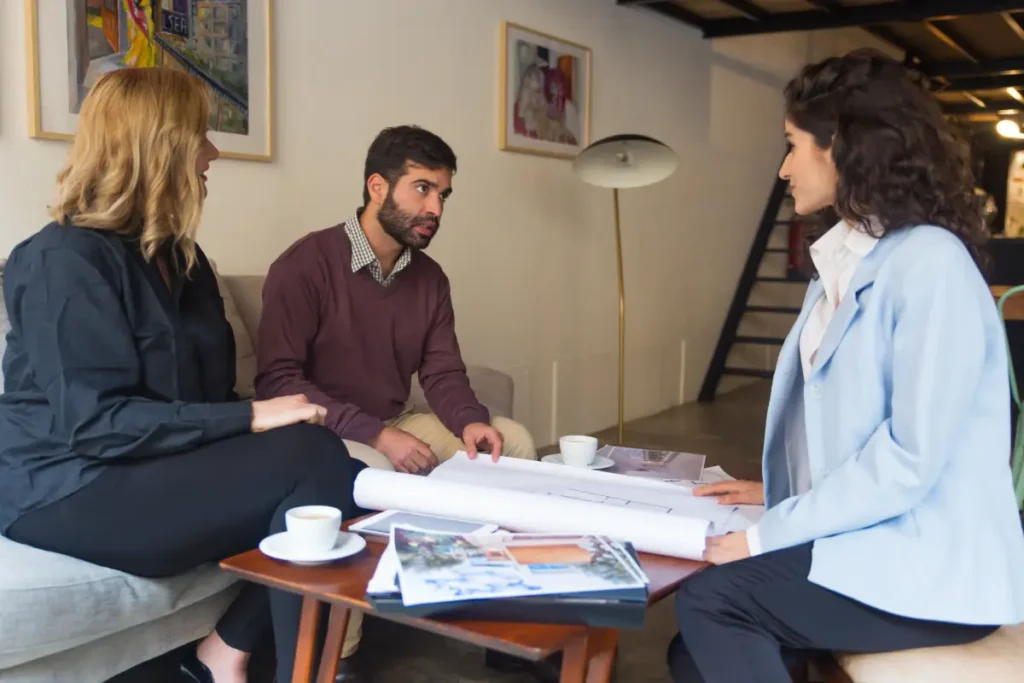
Habitability and injury cases carry physical, financial, and emotional stakes. Working in Spanish from intake through resolution helps a client describe what happened, document the harm, and pursue fair compensation.
Habitability and Unsafe Housing Claims
California’s habitability rules for rental housing require landlords to maintain rental properties in a condition that is safe to live in. When serious conditions such as vermin infestation, lead hazards, unsafe stairs, defective heating, or other substandard conditions cause harm, residents may have claims depending on notice, proof of the condition, causation, and damages.
For many California renters, the timeline of complaints, the landlord’s responses, and the health effects all come across more accurately when described in Spanish. Photos, repair requests sent by text, and clinic visit records all become stronger evidence when reviewed with an attorney who reads both languages.
Personal Injury and Premises Liability Claims
Premises liability claims succeed or fail based on what the property owner knew, when they knew it, and what they did about it. Witness statements, prior complaints, and maintenance logs need to be reviewed together with the injured client, in plain Spanish, so nothing gets misremembered or mischaracterized later.
Insurance adjusters often move fast, and an early settlement offer in English to someone who is still recovering and unsure of their rights rarely reflects the true value of the case.
How to Choose a Spanish-Speaking Lawyer in California
Not every attorney who grew up speaking Spanish handles legal work at the level a serious claim demands.
Confirm Legal Spanish Fluency
Casual conversation is one thing. Legal Spanish is another. Terms like negligencia, daños y perjuicios, demanda, responsabilidad civil, and indemnización come up constantly in injury and habitability cases. Ask whether the attorney handles consultations, document review, and depositions in Spanish on a regular basis, or whether they rely on staff to translate when things get technical.
Verify Experience in Your Specific Case Type
A bilingual attorney who focuses on family law or immigration may not be the right fit for a premises liability injury or a severe habitability case. Ask how many similar cases the firm has handled in the past few years. For a habitability claim involving lead exposure, you want a lawyer who has worked with environmental testing and pediatric medical records before. Experience with the specific evidence in your case shapes the strategy from day one.
Get Legal Help in Spanish for Your California Case
If you or a family member has been injured because of a dangerous property condition, or you are living in housing where ignored maintenance has led to illness or unsafe conditions, you deserve a clear conversation about your options in the language you speak most comfortably.
Castelblanco Law Group represents Spanish-speaking clients across California in habitability and personal injury claims, with consultations, document review, and case strategy handled directly in Spanish. A first conversation costs nothing, and it gives you a straight answer about the strength of your claim.
Frequently Asked Questions About Spanish-Speaking Lawyers
Can I Request a Legal Consultation in Spanish?
Yes. Many California law firms offer full consultations in Spanish, including injury and habitability case reviews. Ask when you call so the firm assigns a bilingual attorney from the start.
Do I Need a Spanish-Speaking Lawyer or Is an Interpreter Enough?
For most injury and habitability cases, a Spanish-speaking lawyer is better. Interpreters help during hearings, but your attorney handles strategy, negotiation, and daily decisions throughout the case.
Can a Lawyer Explain English Legal Documents to Me in Spanish?
Yes. A bilingual attorney reviews English documents like leases, medical records, and settlement offers, then explains each clause directly in Spanish so you fully understand what affects your rights.
What Should I Bring to a Spanish-Language Case Review?
Bring photos of the injury or unsafe condition, any written complaints to the landlord, medical records, the lease, names of witnesses, and a written timeline of what happened.
Get a Free Case Review. No Fees Unless We Win
Tell us what's happening. One of our tenant attorneys will review your situation and get back to you within 24 hours.
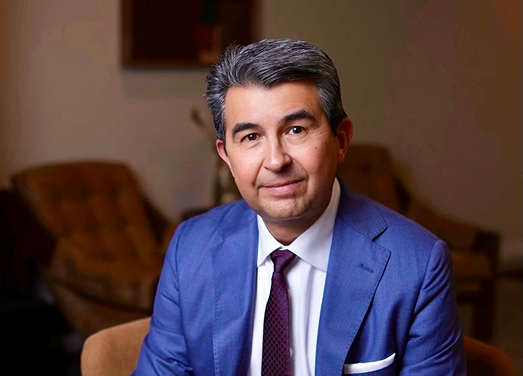
Eric Castelblanco,