








Castelblanco Law Group

CALL NOW • AVAILABLE 24/7 • 1-800-375-0001


Castelblanco Law Group
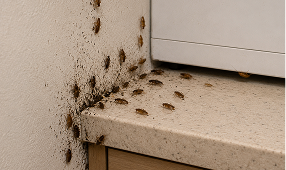
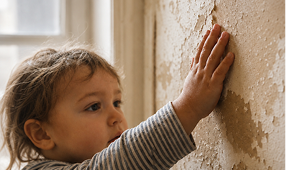
Unsanitary living conditions are problems involving waste, contamination, pests, or inadequate sanitation that can threaten the health of people living in a rental property. They may affect an individual apartment or shared areas of the building.
Examples include:
California Civil Code §1941.1 addresses sanitary conditions, functioning plumbing, waste disposal, and protection from rodents and vermin.
Ordinary untidiness does not automatically establish a legal sanitation violation. The nature, severity, and source of the problem matter, along with its effect on residents’ health and the home’s livability.
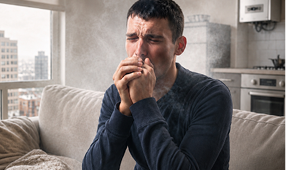
Sanitation problems can make it difficult to prepare food, use a bathroom, or keep belongings clean. Recurring contamination may also leave tenants dealing with cleanup costs and disruption long after the initial problem appears.
Identifying the underlying cause is important. Cleaning a floor after a sewage backup does not resolve a defective sewer line. Similarly, removing visible pests may not address openings or building conditions that allow an infestation to return.
Responsibility depends on the circumstances. Landlords have duties to provide habitable housing, while tenants must dispose of waste properly, use plumbing appropriately, and maintain reasonable cleanliness. The California Department of Real Estate’s tenant guide explains these shared responsibilities. An infestation alone does not establish who caused it.
Consider speaking to a California habitability lawyer if sewage problems, infestations, or other serious sanitation issues persist after you report them. Legal guidance may also help if the landlord repeatedly treats the symptoms without fixing the cause or blames you without investigating the building’s condition.
Keep dated photographs, written complaints, inspection findings, pest-control reports, and receipts for related expenses. These records can help a lawyer assess responsibility, the landlord’s response, and any resulting harm.
If the conditions have caused illness, damaged belongings, or forced you to leave your home, ask about your legal options. Get advice before withholding rent, deducting cleanup or repair costs, or ending your lease, because these actions have specific requirements and risks.