









Castelblanco Law Group

CALL NOW • AVAILABLE 24/7 • 1-800-375-0001


Castelblanco Law Group
Carbon monoxide exposure occurs when a person breathes carbon monoxide, or CO, a colorless and odorless gas produced when fuel does not burn completely. Carbon monoxide poisoning occurs when the exposure interferes with the body’s ability to deliver and use oxygen.
Possible sources in rental housing include:
A missing or inoperable carbon monoxide alarm does not create carbon monoxide, but it can prevent residents from receiving an early warning.
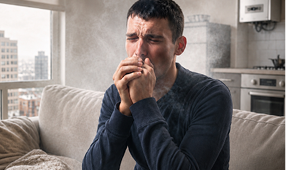
Common symptoms include headache, dizziness, weakness, nausea, vomiting, chest pain, and confusion. Severe exposure can cause unconsciousness or death. Because these symptoms can resemble the flu or other illnesses, tenants may not immediately recognize the cause.
If a carbon monoxide alarm sounds or exposure is suspected, tenants should leave the property immediately, move into fresh air, and call 911 or the local fire department. Anyone experiencing symptoms should seek urgent medical care. The CDC provides additional guidance about carbon monoxide poisoning.
Carbon monoxide cannot be seen or smelled, so tenants may be exposed without realizing it. Multiple people in the same household developing similar symptoms, especially when symptoms improve outside the property, may indicate a possible environmental source. Only qualified professionals can confirm the cause.
Under California Health and Safety Code Section 17926, owners must install approved carbon monoxide devices in dwelling units that have a fossil-fuel-burning heater or appliance, a fireplace, or an attached garage.
The device must be operational when a tenant takes possession. Tenants should notify the landlord or property manager if an alarm is missing, damaged, or not working. The owner is generally responsible for correcting a reported problem and maintaining required devices.
A working detector does not replace the landlord’s responsibility to address defective appliances, blocked ventilation, or other dangerous conditions.
A tenant may want to speak with a lawyer experienced in carbon monoxide rental housing claims when:
Liability is not automatic. It may depend on who controlled the source, whether the responsible party knew or should have known about the danger, how they responded, and whether the exposure caused documented harm.
Tenants should preserve medical records, photographs, written complaints, maintenance requests, inspection findings, detector information, utility reports, witness statements, and receipts for related expenses.