



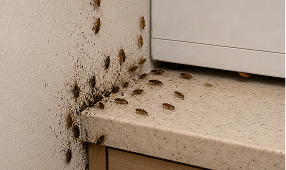











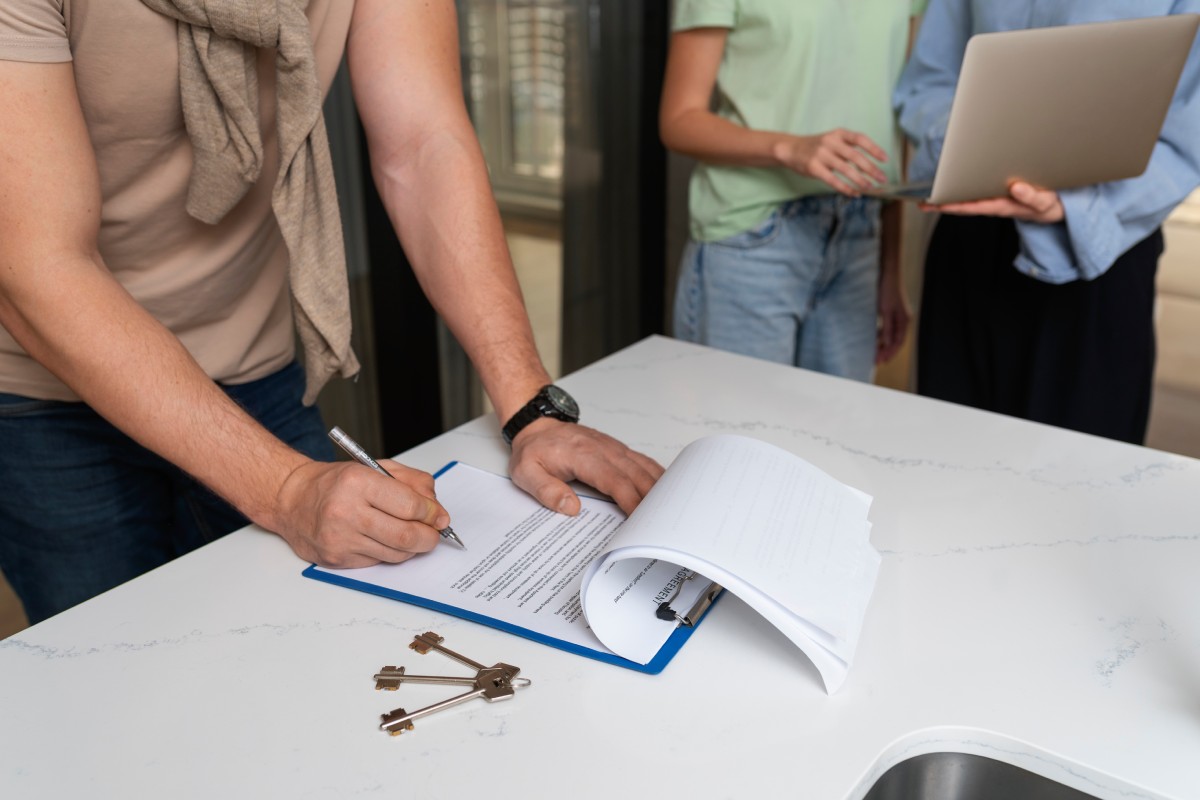

In California, a landlord cannot treat an inspection like an open invitation into your private life. While owners have a right to maintain their property, slumlords often use “inspections” as a tool for harassment or retaliation after a tenant complains about health and safety violations like cockroach infestations or lead exposure.
This guide breaks down what landlords can inspect, where the privacy line is, and when “routine checks” start to feel like harassment or retaliation. And if your landlord’s behavior is crossing into intimidation, repeated entry, or “gotcha” inspections, you’ll also know when it makes sense to talk to a slumlord lawyer about protecting your rights and your security deposit.
California Civil Code § 1954 Establishes the Golden Rule of Entry
California law is very specific about the balance between an owner’s right to maintain their property and a tenant’s right to quiet enjoyment. The primary statute governing this relationship is California Civil Code § 1954. This law acts as a strict gatekeeper. It prevents owners from entering your home whenever they feel like it. Instead, they must have a valid legal reason for the visit.
The state views your rented apartment or house as your private sanctuary. Even though the landlord holds the deed, you hold the right of possession. This means that a landlord cannot simply walk in to check if you are keeping the place clean or to see how you have decorated. Every entry must fall under the specific categories listed in the civil code. If a manager tries to enter for a reason not listed in § 1954, they are likely violating your rights.
Legal Reasons a Landlord Can Enter Your Home
A property owner or manager cannot enter your dwelling for any reason they choose. California law limits entry to a handful of specific situations. First, they can enter to perform necessary or agreed-upon repairs. This is the most common reason for a visit. If a pipe leaks or a heater breaks, they have a right to fix it.
Second, they can enter to show the unit to prospective tenants, buyers, or lenders. This usually happens when you are moving out or if the building is for sale. Third, entry is allowed if a court order permits it. Fourth, if you have abandoned the property, the owner can go inside.
Finally, they can enter to conduct an initial move-out inspection as requested by the tenant. Outside of these scenarios, the door should remain closed to the landlord unless you give them permission.
Property Owners Must Provide Proper Notice via the 24-Hour Rule
Except in very rare cases, you must receive written notice before someone enters your home. California law requires at least 24 hours of notice for a standard landlord home inspection or repair visit. This notice must be in writing, and entries that don’t follow these rules can cross into situations where a landlord may be trying to enter without permission in California. A verbal heads-up or a casual text message does not meet the legal standard unless you agree to it at that moment.
The notice must state the date, the approximate time, and the reason for the entry. Most owners deliver these notices by handing them to the tenant personally or leaving them with a person of suitable age at the property. They can also slide the notice under the door or mail it.
If they choose to mail the notice, they must send it at least six days before the intended entry date to account for transit time. All entries must occur during normal business hours, typically Monday through Friday from 8 a.m. to 5 p.m., unless you agree to a different time.
Understand Differences Between Emergency Entry and Routine Checks
The 24-hour notice requirement has one major exception which involves emergencies. If there is an immediate threat to life or property, the owner can enter without notice. Common examples include a fire inside the unit, a major water leak flooding the downstairs neighbor, or the smell of a gas leak. In these moments, the law prioritizes safety over privacy.
Routine checks are different. Some owners try to use the term “routine maintenance” to enter every month. While they have a right to maintain the property, frequent entries without a specific repair need can become harassment. A “routine check” is not a blank check to browse your belongings. If the landlord claims they are doing a routine check but cannot point to a specific maintenance task, they might be overstepping.
What Landlords Are Legally Allowed to Inspect
⚖Not sure if you have a case against your landlord?
Castelblanco Law Group has helped tenants recover over $350M in damages.
Get a legal case evaluation from Castelblanco Law Group →When a landlord enters for a valid reason, their focus must remain on the habitability and safety of the structure.
They are looking at the “bones” of the unit. This includes the state of the flooring, the integrity of the walls, and the functionality of built-in appliances. They want to see if there is any damage that goes beyond normal wear and tear. For example, a small scuff on a wall is normal, but a large hole in the drywall is a maintenance issue. They are also checking to see if the tenant is following the terms of the lease regarding property care.
Interior Habitability: Walls Plumbing and Electrical Systems
The primary focus of a legal inspection is habitability. The owner needs to ensure the unit is fit for human occupation. They will look for signs of water damage around sinks, toilets, and tubs. Leaking pipes can lead to structural rot and mold, which are expensive problems for an owner and health hazards for a tenant.
Electrical systems are also a major concern. They may check if outlets are working or if there are any exposed wires that pose a fire risk. They look at the walls for signs of dampness or cracks that could indicate foundation issues. If you have reported a problem with the heating system, they will inspect the furnace or wall heater to ensure it operates safely. These checks are designed to keep the property functioning correctly.
Safety Compliance: Smoke Detectors and Carbon Monoxide Alarms
California has strict laws regarding safety devices in rental units. During a landlord property inspection, the owner is legally required to ensure that smoke detectors and carbon monoxide alarms are present and functional. They will often test these devices to make sure the batteries are fresh and the sensors are working.
They may also check fire extinguishers if the building provides them. This is a crucial part of the visit because it protects both the tenant and the property owner from liability in the event of a fire. If these devices are missing or broken, the landlord must fix them immediately. This part of the inspection is generally beneficial for the tenant as it ensures the home meets basic safety standards.
Lease Violations: Signs of Unauthorized Pets or Subletting
While checking the physical state of the apartment, what do landlords look for during an inspection regarding the lease? They are often looking for evidence of lease violations. If your lease prohibits pets, they will notice a dog bed or a litter box. If the lease forbids subletting, they might look for signs that extra people are living in the space, such as additional beds in the living room.
Owners also look for excessive trash or hoarding conditions that could attract pests or create a fire hazard. While you have a right to live how you choose, you cannot create a situation that damages the property or creates a nuisance for neighbors. If they see evidence of illegal activity or serious lease breaches, they may use that information to start an eviction process. However, they must find this evidence while performing their legitimate maintenance or safety checks.
The Red Line: What Landlords Are NOT Allowed to Do
There is a clear boundary that a landlord cannot cross. Their right to inspect the property does not give them the right to inspect your life. Privacy laws in California are robust. When people ask, “Can landlords go through your stuff during an inspection,” the answer is a firm no. Their access is limited to the property itself, not your personal effects.
If a landlord begins searching through your items, they have moved from an inspection into a search. Without a warrant or your explicit permission, this is illegal. You should know the difference between a professional property check and an invasive search. To help you understand this, refer to the following guide:
| Action | Allowed? | Legal Context |
| Checking for water leaks under the sink | Yes | This is a maintenance issue. |
| Opening kitchen cabinets to check for pests | Yes | Pests affect the entire building. |
| Opening your bedroom dresser drawers | No | This is a privacy violation. |
| Checking the smoke detector | Yes | Required by safety codes. |
| Looking through your mail or documents | No | Private information is protected. |
| Taking photos of a broken window | Yes | Needed for repair documentation. |
| Taking photos of your family portraits | No | Unrelated to property condition. |
| Looking in a closet to check for mold | Yes | Mold is a habitability issue. |
| Moving your clothes to look for hidden guests | No | Crosses into harassment territory. |
Privacy Violations: Can a Landlord Look in My Closet or Drawers?
Digging through your items is an illegal search and a sign that the landlord is using the inspection for surveillance rather than maintenance. This is often a tactic used to intimidate tenants who have reported code violations like mold or bed bugs.
Drawers are a much stricter “no-go” zone. There is almost no reason a property owner would need to open your personal dresser or desk drawers during a standard inspection. Opening drawers to see what you own is a significant privacy violation. If a landlord does this, they are overstepping their bounds and infringing on your civil rights. You have a reasonable expectation of privacy for any closed container or furniture that belongs to you.
Personal Belongings: Computers, Mail, and Private Documents
Your personal property is off-limits. This includes your computer screens, your mail sitting on the counter, and any private documents you might have out. A landlord should not be reading your letters or looking at your financial statements. If they are in the unit to fix a light fixture, they have no reason to be near your desk.
Property managers should focus their eyes on the floors, walls, and ceiling. If you find that a manager has moved your belongings or looked through your personal files, you should document this immediately. This behavior can be considered a breach of the covenant of quiet enjoyment. It is a sign that the landlord is more interested in surveillance than property maintenance.
Rules for Photography and Video Recording in Your Living Space
Many tenants want to know, can a landlord take photos during an inspection? Generally, an owner can take photos of the property’s condition. This is especially true if they need to document damage for repairs or for a security deposit dispute. However, they should not be taking photos of your personal items, your children, or your private photos.
The photos should be focused on the real estate. If there is a hole in the floor, they can photograph it. As of January 1, 2025, under AB 2801 (amending Civ. Code §1950.5), landlords must provide photos or videos to support any security deposit deductions for damage or cleaning, ensuring transparency. If they are taking wide-angle shots of your entire bedroom for a “marketing” purpose while you still live there, they should ask for your consent first. You have a right to feel secure in your home. If their photography feels invasive or focuses on your belongings rather than the structure, you can object.
Know When Surveillance Becomes Illegal Harassment
Regular inspections are legal, but constant surveillance is not. If a landlord is using inspections Regular inspections are legal, but constant surveillance is not. If a landlord is using inspections as an excuse to keep tabs on you, it might be illegal harassment. If you’re unsure where the line is, it helps to compare your situation to real-world examples of landlord harassment. Examples of this include scheduling inspections every other week or entering your unit to “check the smoke detector” multiple times a month.
Harassment also includes using cameras to watch your movements or entering without notice when they think you aren’t home. California law protects tenants from being disturbed in their homes. If the landlord’s presence becomes a burden that prevents you from living peacefully, they are violating the law. This is often a tactic used by owners who want to force a tenant to move out without following the formal eviction process.
Protect Your Security Deposit via Move-In and Move-Out Inspections
The security deposit is often a source of conflict between tenants and owners. To protect your money, you must participate in the inspection process at the beginning and end of your lease. These “walkthroughs” are your best defense against unfair charges, especially when you understand what landlords can legally claim as security deposit deductions in California. California law gives you the right to be present during these visits so you can see exactly what the owner sees.
Documentation is the key to winning a deposit dispute. If you don’t have proof of the unit’s condition when you moved in, the owner might try to blame you for pre-existing damage. Use your phone to take high-quality photos and videos of every room before you move your furniture in. This creates a digital paper trail that is hard to dispute in court.
The Initial Inspection Pre-Move Out Rights
California Civil Code § 1950.5 gives tenants the right to an “initial inspection” before they vacate. This happens usually in the last two weeks of the tenancy. The purpose is to give you a chance to fix any issues before the final move-out. The landlord must notify you of your right to this inspection.
During this visit, the owner identifies things that might lead to deductions from your security deposit. They must provide an itemized list of repairs or cleaning needed. This is a huge advantage for the tenant. It allows you to clean that spot on the carpet or patch a small hole yourself, saving you from the high costs the landlord might charge if they had to hire a professional after you leave.
Documenting Pre-existing Damage to Avoid Slumlord Tactics
Some owners, often referred to as slumlords, use security deposits as an extra source of income. They might try to charge you for “damages” that were there long before you arrived. To avoid this, you must be aggressive about documenting the unit’s state on day one. Look for mold behind toilets, cracks in the window frames, and pests in the cabinets.
If you find these issues, send a written list to the owner immediately. This creates a record that the “slum conditions” existed before your residency. If the landlord refuses to acknowledge these problems, keep your photos in a safe place. This evidence will be vital if you ever need to sue for a refund of your deposit or for habitability violations. Never rely on the landlord’s word; always trust your own documentation.
When to Call a Tenant Rights Lawyer
Most landlord-tenant interactions are routine, but some cross the line into legal territory. If your landlord is using inspections to intimidate you or if they are ignoring serious health hazards, it is time to seek professional help. A tenant rights lawyer can help you determine if your rights are being violated and what steps you can take to hold the owner accountable.
Determine If Retaliatory Inspections Mean a Landlord Is Targeting You
Retaliation is illegal in California. If you complain about lead exposure, bed bugs, or lack of hot water, and the landlord suddenly schedules “inspections” every week, this is likely retaliatory. Under Civ. Code § 1942.5, if a landlord starts a “gotcha” campaign within 180 days of your complaint, the law presumes bad faith.
Retaliatory inspections are often a precursor to a wrongful eviction. The owner is looking for any small reason to kick you out because you asked them to do their job. If you feel you are being targeted because you reported a code violation, document every visit and every communication. A lawyer can use this timeline to prove the landlord is acting in bad faith.
Do Not Allow Inspections to Ignore Mold or Infestations
Some landlords use an inspection to pretend everything is fine while ignoring obvious problems. They might walk right past a wall covered in black mold or a kitchen crawling with bed bugs and claim the unit is in “great condition.” This is a tactic used to avoid the cost of remediation.
You should never let a landlord minimize these issues. If you have an infestation of rats, roaches, or bed bugs, the landlord is responsible for pest control in most cases. Mold caused by structural leaks is also their responsibility. If they see these things during an inspection and do nothing, they are failing their legal duty to provide a habitable home. This neglect can lead to serious health problems, especially for children and the elderly.
Frequent Entry Can Constitute Constructive Eviction
If a landlord enters your home so often that you can no longer live there in peace, it may be “constructive eviction.” This means the owner hasn’t formally evicted you, but they have made the home unlivable through their actions. Frequent, unannounced, or invasive entries are a common way this happens.
When a tenant can no longer use their home for its intended purpose because the landlord is constantly there, the law may see this as a breach of contract. You might be entitled to damages or the right to break your lease without penalty. Constructive eviction is a serious legal claim that requires strong evidence of the landlord’s persistent interference with your life.
Tenant Preparation Checklist
When you know an inspection is coming, taking a few steps can protect your privacy and your legal standing. Use this checklist to stay prepared:
- Document the Condition Yourself: Before the landlord arrives, take your own photos of the unit. Focus on areas they are likely to check, such as under sinks and near appliances. This prevents them from claiming you caused damage during their visit.
- Request the Inspection in Writing: If you asked for a repair, make sure that request was in writing. This links their entry to a specific, legal purpose.
- Identifying Slum Conditions During the Walkthrough: If there is mold, lead paint, or a pest problem, point it out. Do not let them ignore it. If they refuse to look, note that in your records.
- Your Right to Be Present: You have the right to be home during the inspection. It is highly recommended that you or someone you trust stays in the unit to watch what the landlord looks at and ensures they don’t go through your personal items.
FAQs About What Landlords Can Inspect in California
Can a Landlord Inspect When I’m Not Home?
Yes, a landlord can enter if they provided a proper 24-hour written notice. You do not have to be present, but it is better to be there to protect your privacy.
How Often Can a Landlord Inspect Before It Becomes Harassment?
State law does not set a specific number, but quarterly is common. Monthly or weekly visits without a repair need usually constitute illegal harassment or a breach of quiet enjoyment.
What Happens if I Deny Access for an Illegal Inspection?
If the entry lacks proper notice or a legal reason, you can refuse entry. However, document your refusal and the reason clearly to protect yourself from claims of lease violations.
Does the Landlord Have to Tell Me Exactly What Time They Are Coming?
They must provide an approximate time window during normal business hours. A vague “sometime next week” notice is generally not sufficient under California’s strict notice requirements.
Get a Free Case Review. No Fees Unless We Win
Tell us what's happening. One of our tenant attorneys will review your situation and get back to you within 24 hours.

Eric Castelblanco, Attorney/Founder
Eric Castelblanco, founder and managing attorney of Castelblanco Law Group, APLC, has championed tenants' rights for over two decades and has secured over $350 million in verdicts and settlements.
Castelblanoc Law also specializes in every aspect of personal injury accident cases, deliveri...