
















Disclaimer: The topics discussed in this blog are intended solely for informational purposes. They do not imply or guarantee that Castelblanco Law Group specializes in or accepts cases related to the subjects covered.
Receiving the keys to a new rental home feels exciting. You likely spent weeks searching for the right place and finalizing the lease. However, one critical step remains before you unpack a single box. You must protect your security deposit by documenting the property’s condition. A thorough inspection prevents disputes when you eventually move out.
California law allows landlords to deduct money for repairs beyond normal wear and tear. Without proof that damage existed before your arrival, you might pay for it later. This guide explains how to conduct a proper inspection, when to consult a slumlord lawyer if an owner refuses to act reasonably, and how to use a detailed template to protect yourself. You will learn exactly what to photograph and how to record issues. Taking these steps ensures you start your tenancy with security and peace of mind.
Why Every California Renter Needs a Move-In Checklist
Your security deposit is likely a significant sum. Landlords hold these funds to cover unpaid rent or property damage. Disputes over deposit returns are common in California courts. A signed move-in checklist serves as your primary defense and is the first step toward getting your security deposit back in California. This document creates an agreed-upon baseline for the unit’s condition.
Memories fade over the course of a twelve-month lease. You might forget that the carpet had a stain or that the blinds were bent. Your landlord may not remember either. A written record eliminates reliance on memory. It provides concrete evidence if a disagreement arises regarding deductions.
California Civil Code protects tenants, but you must take proactive measures. Utilizing a rental move-in checklist helps avoid charges for pre-existing issues. This simple task creates transparency between you and the property owner. It establishes trust right from the start.
Free Tenant Move-In Checklist Template You Can Copy and Use
⚖Not sure if you have a case against your landlord?
Castelblanco Law Group has helped tenants recover over $350M in damages.
Get a legal case evaluation from Castelblanco Law Group →Use the checklist below during your move-in inspection. You can copy and paste it into a notes app, print this page, or email it to yourself so you have a record of every item you checked.
General Entryway and Hallways
Door condition (scratches, dents, paint chips)
Lock functionality (deadbolt, handle, keys work smoothly)
Flooring wear (scuffs, stains, loose boards)
Lighting fixtures (bulbs working, switches functional)
Wall paint (marks, holes from previous hangings)
Smoke detector present and operational
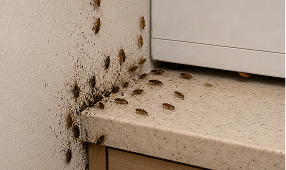
Pest or mold signs (droppings, roaches, rodents, musty odors)
Living Room
Windows (cracks, screens present, open/close properly)
Window coverings (blinds/curtains clean and functional)
Electrical outlets (test with a phone charger)
Ceiling fan (wobbles, noise, speed settings)
Carpet or complex flooring condition
Baseboards (dust, damage, separation from wall)
Kitchen Area
Stove and oven (burners light, oven heats, interior clean)
Refrigerator (cools properly, drawers intact, shelves clean)
Dishwasher (racks slide, no mold smell, drains well)
Sink faucet (leaks, water pressure, hot/cold mix)
Garbage disposal (runs clearly, no grinding noises)
Cabinet doors and drawers (hinges tight, open/close)
Countertops (burn marks, chips, stains)
Under-sink plumbing (dry, no signs of leaks)
Bedrooms
Closet doors (tracks aligned, open smoothly)
Closet interior (shelves secure, hanging rod stable)
Window locks and seals
Light fixtures and ceiling condition
Flooring (check corners for carpet lift)
Wall outlets and light switches
Bathrooms
Toilet (flushes completely, seat stable, base sealed)
Shower/Tub (drains efficiently, grout clean, caulking intact)
Showerhead (flow rate, no leaks at neck)
Sink and vanity (cabinet condition, water flow)
Mirror (cracks, desilvering at edges)
Ventilation fan (works, removes steam)
Towel bars and toilet paper holder (securely attached)
Utilities and Systems
Thermostat (responds to adjustments, display works)
Heater (blows warm air, no strange smells)
Air conditioning (if applicable, cools effectively)
Water heater (check for visible rust or leaks)
Circuit breaker box (accessible, labeled)

California Tenant Rights: Inspection Laws You Must Know
Understanding state statutes empowers you during the rental process. California offers specific protections regarding habitability and deposits. Being informed helps you assert these rights effectively.
Why §1950.5 Makes a Move-In Checklist Smart (Not Mandatory)
California Civil Code §1950.5 governs security deposits. This statute limits what a landlord can deduct. They may only charge for unpaid rent, cleaning costs, and damage beyond ordinary wear and tear. The law allows deductions only for lawful items (e.g., unpaid rent, cleaning, and tenant-caused damage beyond ordinary wear), not for pre-existing defects.
A move-in checklist for tenants defines what counts as pre-existing. Without this document, the burden of proof often shifts effectively to the renter. If you cannot demonstrate that a scratch was already there, the landlord might legally charge you. Section 1950.5 highlights the financial necessity of documenting the initial condition.
Habitability Standards: What Landlords Must Provide (Civil Code §1941.1)
Every rental unit must be fit for human occupation. Civil Code §1941.1 outlines specific requirements for habitability. A lack of these basic features makes a dwelling legally uninhabitable. Your walkthrough checklist should verify that these essential systems work.
The law mandates effective waterproofing of the roof and exterior walls. Plumbing and gas facilities must function and adhere to applicable laws. Hot and cold running water are non-negotiable requirements. Heating facilities must be maintained in good working order. Electrical lighting must include compliant wiring and equipment.
Floors, stairways, and railings must be kept in good repair. The building and grounds must stay free of rubbish and vermin. If your inspection reveals failures in these areas, the landlord must fix them immediately. If serious habitability defects exist, you may seek rent abatement or use statutory remedies; do not withhold rent without legal advice.
Security Deposit Protections and Move-In Reports (AB 12 / SB 644 Updates)
Recent legislation strengthens renter protections significantly. Assembly Bill 12 (AB 12) limits security deposits for most rentals. Starting July 1, 2024, security deposits are generally capped at one month’s rent (furnished or unfurnished), with a limited ‘small-landlord’ exception allowing up to two months if the owner is a natural person (or qualifying LLC/trust) who owns no more than two properties totaling no more than four units. Service members are still capped at one month.
This limit increases the importance of your move-in property condition checklist. Since landlords have less deposit money available, they may scrutinize damage more closely. An accurate report ensures you get that singular month’s rent back. Understanding these caps helps you identify illegal upfront charges.
When to Request a Walk-Through
California law lets tenants request an initial (pre-move-out) inspection during the last two weeks before move-out. However, a joint move-in walkthrough is equally vital. Ideally, schedule this appointment for the day you receive the keys. Do this before moving any furniture inside.
Empty rooms reveal defects hidden by couches or rugs. Walking through the issues with the landlord establishes immediate agreement. If they cannot attend, perform the inspection yourself immediately. Send the completed checklist to them right away. Timestamping creates a legal timeline of the property’s state.
How to Document the Property Condition Correctly
Detail is your best friend when inspecting a home. Vague descriptions do not hold up well in disputes. “Okay condition” means different things to different people. Specificity protects your money.
The Ultimate Room-by-Room Move-In Inspection Guide
Methodical approaches ensure nothing gets missed. Move clockwise around each room. Scan from the ceiling down to the floor.
Kitchen, Bathrooms, and Plumbing
The kitchen contains expensive appliances and plumbing fixtures. Turn on all the stove burners to check for ignition. Open the oven and look for burnt residue. Run the dishwasher through a short cycle. Check the refrigerator seals for cracks.
In bathrooms, flush the toilet and wait for the tank to refill. Listen for running water that doesn’t stop. Inspect the caulking around the tub for black spots indicating mold. Turn on the shower to check the water pressure. Look under every sink for water stains or damp wood.
Walls, Floors, Windows, and Doors
Examine walls for nail holes, scuffs, and mismatched paint patches. Look closely at baseboards for dust buildup or water damage. Walk barefoot on carpets to find hidden tacks or wet spots. Check hard floors for deep scratches or gouges.
Open and close every window to ensure tracks are clean. Verify that window locks engage securely for safety. Test all interior doors to ensure they latch properly. Inspect door frames for split wood or forced entry signs.
Appliances and Electrical Systems
Test each electrical outlet with a small nightlight or a phone charger. Flip the wall switches to identify which outlets they control. If the unit has a washer and dryer, check the lint trap and hoses.
Inspect the water heater if it is accessible to tenants. Look for rust at the bottom of the tank. Verify the pilot light is on for gas units. Check the fuse box to ensure breakers are not tripped.
Pest or Mold Signs
Look inside cabinets and drawers for small black droppings. Roach or mouse evidence often appears in corners or under sinks. Check for sawdust piles that might indicate termites. All of these can be early signs of a serious pest infestation.
Sniff the air in damp areas, such as bathrooms and basements. A musty odor usually suggests hidden mold or mildew. Look for discoloration on ceilings that implies roof leaks. Report any pest or mold signs immediately.
Safety Features to Verify (Smoke Detectors, Locks, etc.)
California requires approved smoke alarms in dwelling units, installed per law; locations follow building/fire codes (e.g., in sleeping rooms, outside sleeping areas, and on each level). Test the buttons to ensure the alarm blares. Carbon monoxide alarms are required in dwelling units with a fossil-fuel appliance, fireplace, or attached garage, and must be operable at move-in. Locate these devices and verify their operation.
Check the deadbolt on the front door for smooth operation. Ensure the strike plate is screwed into the door frame securely. Verify that sliding glass doors have a functioning lock and pin. Safety features are non-negotiable habitability requirements.
Exterior and Common Areas
Walk around the exterior of the building if you have access. Look for cracks in the stucco or siding. Check that the assigned parking spot is clear of oil stains. Verify your mailbox lock works and the box closes tightly.
Inspect any private balcony or patio for stability. Railings should not wiggle when you push against them. Note any trash left in common walkways. Documenting exterior conditions prevents liability for building-wide issues.
What to Document During the Walkthrough
A written list is good, but visual evidence is better. You need irrefutable proof of the condition. Modern technology makes this process easy and effective.
Taking Dated Photos and Videos
Use your smartphone to take high-resolution photos. Ensure the camera settings include a date and time stamp. Start with wide shots of each room to establish context. Then, move in for close-ups of specific damage.
Record a continuous video walking through the entire unit. Narrate the video as you move from room to room. Point out specific issues verbally as you film them. Show the floors, ceilings, and inside appliances. This video serves as a powerful backup to your photos.
Noting Existing Damage or Issues
Be descriptive when writing down defects. Instead of “scratch on wall,” write “3-inch scratch on north wall, 2 feet from floor.” Use a ruler or coin in photos to show scale.
Distinguish between dirt and permanent damage. Note if the carpet is just dirty or physically torn. Record if the blinds are dusty or missing slats. Precise language prevents ambiguity later.
Sharing Documentation With Your Landlord
Once your list and media are ready, send them immediately. Email is the best method because it provides a digital paper trail. Attach your tenant checklist and a link to your photos.
Request a confirmation of receipt from the property manager. If you must mail it, use certified mail with a return receipt. Keep the physical receipt safe. Do this within 48 to 72 hours of moving in.
Landlord Move-In Checklist
Property owners also benefit from detailed inspections. A landlord’s move-in checklist protects their investment. It separates tenant damage from previous wear.
Items Landlords Should Inspect or Disclose
Landlords must provide federally required lead-based paint disclosures for pre-1978 housing (lead pamphlet and known hazards). They should identify any known history of pest control. Owners must check that all provided appliances function safely.
If billing by water submeter, landlords must give the Civil Code Chapter 2.5 disclosures (e.g., how bills are calculated and who to contact for meter issues). Safety devices, such as smoke alarms, must be tested before a new tenant arrives. The landlord needs to document the condition of expensive items, such as flooring.
What Tenants Can Expect During the Move-In Process
Expect the landlord to provide keys and access codes. They should walk you through specific building rules, including when they may enter the unit and what happens if a landlord enters without permission. You will likely sign a formal inventory form.
The manager might demonstrate how to use the thermostat or alarm system. They should explain the procedures for trash and recycling. This orientation helps you maintain the property correctly.
Final Tips to Protect Yourself as a California Renter
Your vigilance protects your wallet. Taking these final steps secures your rights.
Keep Copies of All Move-In Records
Save your lease, checklist, and photos in multiple places. Use cloud storage like Google Drive or Dropbox. Keep a physical folder with the hard copies. Do not rely on a single laptop or phone.
Know Your Rights Under State Law
Familiarize yourself with the concept of “quiet enjoyment”. You have the right to live without unreasonable intrusion. Understand the “repair and deduct” remedy for serious repairs. This knowledge helps you recognize what a landlord can’t do and prevents you from being bullied.
Don’t Skip the Move-In Inspection
Moving is exhausting, and you might want to skip this step. Do not give in to that temptation. Inspecting takes an hour; fighting a deposit claim takes months. Treat this task as a paid job.
When to Contact a Tenant Rights Lawyer
Seek legal help if your landlord refuses to fix serious habitability issues, continues to ignore written repair requests, or withholds your security deposit without a clear, lawful explanation. When that happens, we at Castelblanco Tenant Law Group step in to review your situation, explain your rights under California law, and help you build a strong record of what has happened. Our mission is simple: we want every tenant to understand their rights and to feel empowered to demand better, especially when dealing with slumlords or chronic neglect.
If you qualify, we can offer a free consultation and handle your case on a “no fees unless we win” basis, so cost is not a barrier to getting help. You do not have to face serious legal violations alone when we are ready to stand between you and a negligent or abusive landlord.

FAQs About Tenant Move-In Inspections in California
Do I Have to Sign a Move-In Checklist?
You are not legally obligated to sign, but refusing is unwise. Signing protects you by creating an agreed-upon record of the unit’s condition at the start.
Can My Landlord Deduct From My Deposit Without a Checklist?
Yes, they can deduct for damages. However, without an initial checklist, you can more easily dispute charges by proving the damage pre-dated your tenancy.
What If My Landlord Won’t Do a Walkthrough?
Perform the inspection yourself immediately upon receiving access. Document everything thoroughly with photos and video, then email the evidence to the landlord right away.
What Should I Do If My Landlord Refuses a Move-In Inspection?
Conduct your own detailed inspection instantly. Send a copy of your findings via certified mail to prove you attempted to document the condition formally.
Is a Move-In Checklist Legally Required in California?
A move-in checklist is not strictly mandated by statute, but a move-out inspection is. However, a move-in list is standard practice for deposit protection.
How Can I Prove the Property Was Damaged Before I Moved In?
Your best proof is a dated move-in checklist that landlords have received. Timestamped photos and videos sent via email provide the strongest legal evidence.
Get a Free Case Review. No Fees Unless We Win
Tell us what's happening. One of our tenant attorneys will review your situation and get back to you within 24 hours.

Eric Castelblanco,