









Castelblanco Law Group

CALL NOW • AVAILABLE 24/7 • 1-800-375-0001


Castelblanco Law Group
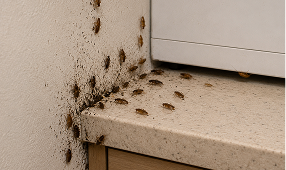
Substandard housing is a legal term for a building, rental unit, or property with conditions serious enough to endanger the life, health, property, safety, or welfare of its occupants, nearby residents, or the public.
Under California Health and Safety Code Section 17920.3, conditions that may contribute to a building being classified as substandard include:
A minor maintenance problem does not automatically make housing legally substandard. The condition must be sufficiently serious to threaten health, safety, property, or welfare. Local housing or code enforcement agencies may inspect the property and determine whether violations exist.
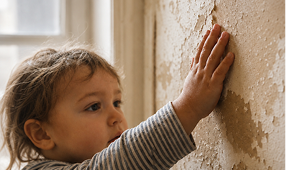
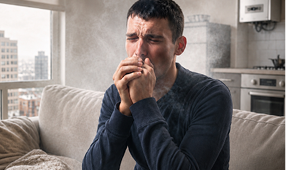
Substandard conditions may expose tenants to illness, injury, property damage, displacement, and ongoing disruption of daily life. Multiple defects can also interact and make a property more dangerous. For example, a roof leak may lead to dampness and mold, while damaged wiring near the leak may create an electrical hazard.
An inspection or code enforcement citation can provide independent documentation of the condition. However, tenants do not always need to wait for an official citation before reporting serious problems to the landlord or seeking legal advice.
Tenants should notify the landlord or property manager in writing and keep copies of all repair requests. Photographs, videos, inspection reports, medical records, repair histories, receipts, and statements from other residents may help show how long the conditions existed and how they affected the household.
Tenants should also allow lawful access for inspections and repairs. If a condition creates an immediate risk, such as fire, structural collapse, exposed live wiring, or a sewage overflow, tenants should contact the appropriate emergency or local enforcement authority.
A tenant may want to consult a lawyer when:
Whether a landlord is legally responsible depends on factors such as the condition’s severity, its cause, when the landlord received notice, the response taken, and whether the tenant contributed to the damage.
Tenants should obtain legal advice before withholding rent, deducting repair costs, ending a lease, or taking another action that could affect the tenancy.