










Castelblanco Law Group

CALL NOW • AVAILABLE 24/7 • 1-800-375-0001


Castelblanco Law Group
“Slumlord” is an informal term commonly used to describe a landlord who allows rental properties to remain unsafe, unsanitary, or severely neglected. It is not a specific legal classification, and a landlord does not become legally liable simply because a tenant uses this label.
The legal analysis focuses on the property’s conditions, the landlord’s responsibilities, whether the landlord received notice, how the landlord responded, and whether the tenant suffered harm.
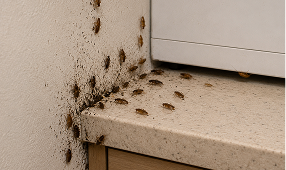
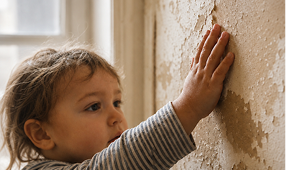
Conditions frequently associated with slum housing include:
California law identifies numerous conditions that may cause a building to be considered substandard when they endanger occupants’ health, property, safety, or welfare. These include inadequate sanitation, lack of heating or running water, infestations, visible mold, defective plumbing, structural hazards, and improper maintenance.
Serious property neglect can expose tenants to illness, injury, damaged belongings, displacement, and emotional distress. Problems may become more severe when a landlord performs only temporary repairs or ignores complaints from multiple households.
Tenants should focus on documenting specific conditions rather than relying only on the word “slumlord.” Helpful evidence may include:
A neglected property does not automatically support a lawsuit. Relevant factors may include the severity and duration of the conditions, whether the landlord knew or should have known about them, whether the tenant caused the problem, and whether the landlord had a reasonable opportunity to respond.
A tenant may consider speaking with a lawyer when:
A lawyer can evaluate the conditions, evidence, landlord’s conduct, and resulting harm. Depending on the circumstances, potential remedies may involve repairs, compensation, relocation expenses, rent-related damages, or other relief. No particular outcome is guaranteed.